7 Essential Things to Know About Car Insurance in Kitengela | Step by Step Insurance
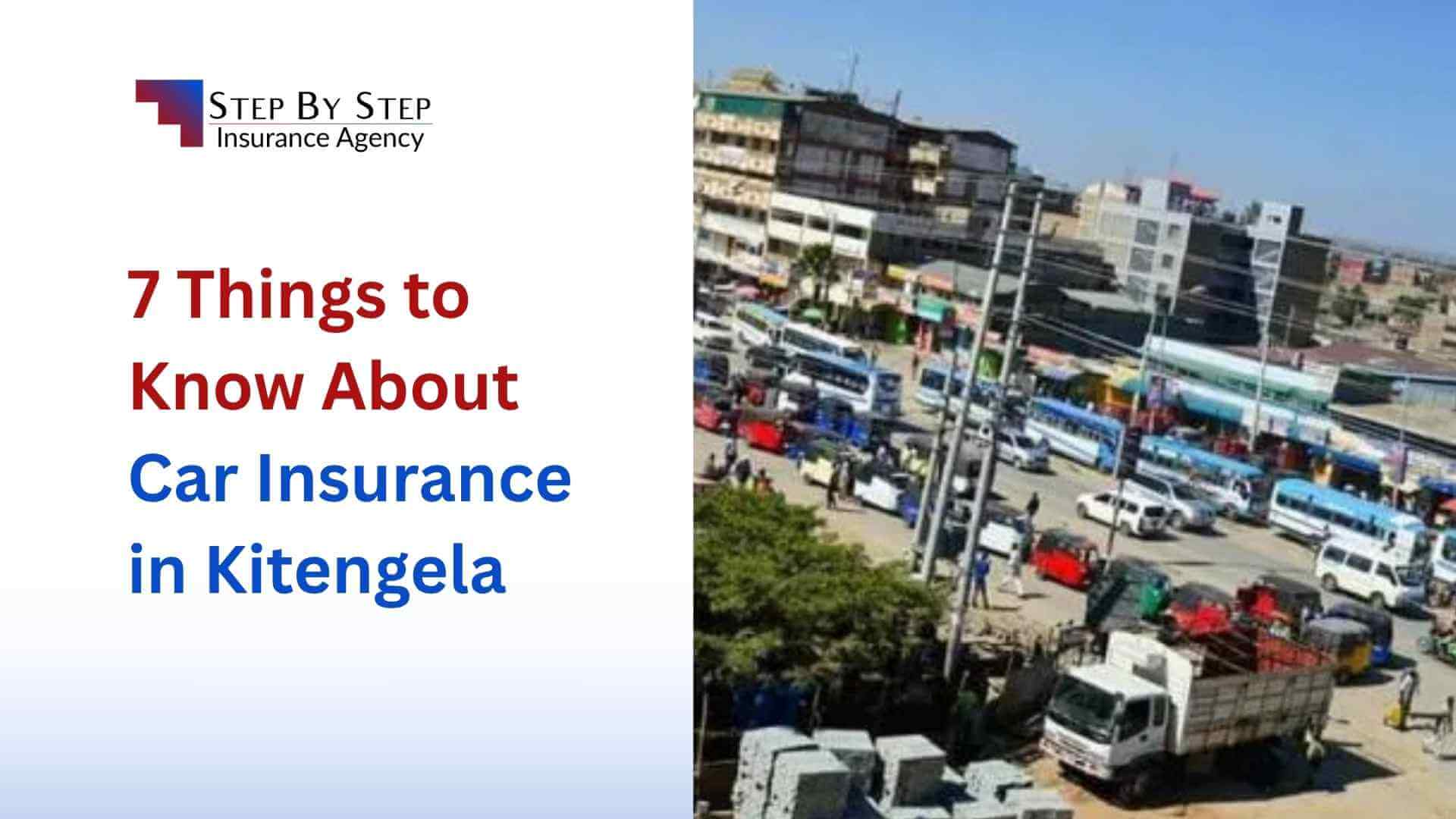
Searching for trusted car insurance in Kitengela, Kajiado? Whether you’re commuting daily to Nairobi, running a business vehicle, or simply protecting your investment, the right car insurance plan matters—especially in a high-traffic area like Kitengela.
As the town continues to grow, so do the risks for drivers. From busy highways like Namanga Road to unpredictable boda boda traffic, having the right level of car insurance coverage is essential.
Here are 7 important things every Kitengela driver should know before buying or renewing a policy.
Key Takeaways
Third-party insurance is legally required for all vehicles in Kenya
Kitengela’s unique driving risks may require comprehensive coverage
Local brokers provide personalized advice and faster claims support
Multiple factors affect your premium including vehicle type and security features
Under the Motor Vehicle Insurance Act, all Kenyan drivers must have at least Third-Party insurance to operate legally. This covers damage or injury to others but doesn’t protect your own vehicle.
In Kitengela, police checks on roads like Namanga Road and Acacia are frequent. Driving without valid insurance could result in fines or your car being impounded.
Avoid penalties — make sure your insurance is always up to date.
2
Kitengela Presents Unique Driving Risks
Kitengela’s rapid development brings increased vehicle congestion, unregulated boda bodas, and busy intersections. These factors contribute to:
Higher accident rates
Risk of car theft or break-ins
Increased wear and tear on vehicles
Insurers factor in local risk when calculating premiums. If you regularly drive within Kitengela or to Nairobi, you’re exposed to more incidents and may benefit from broader coverage.
3
Know the 3 Main Types of Car Insurance in Kenya
Before buying a policy, it’s important to understand your options:
Type
Covers
Best For
Third-Party Only
Damage or injury to others (required by law)
Older vehicles with low market value
Third-Party Fire & Theft
Includes fire damage and theft of your own car
Mid-range vehicles in moderate-risk areas
Comprehensive Cover
Includes theft, fire, damage to your vehicle, and others
New or high-value vehicles in high-risk areas like Kitengela
Pro Tip: Comprehensive coverage is recommended for new or high-value vehicles operating in busy towns like Kitengela.
4
Premiums Are Affected by More Than Location
Insurance companies look at multiple factors when calculating your premium:
Vehicle type, model, and age
Vehicle usage (private or commercial)
Driver’s claims history
Security features (alarm, tracker, etc.)
For example, frequent commuting between Kitengela and Nairobi may result in a higher risk profile, while installing anti-theft devices could reduce your costs.
5
A Local Broker Makes the Process Easier
Why buy blindly online when you can speak to a local expert?
Working with a Kitengela-based broker like Step by Step Insurance offers:
Personalized advice based on your needs
Help choosing the most affordable and trusted insurer
Car insurance in Kitengela is more than just a legal requirement—it’s your defense against financial loss. Whether you drive daily or occasionally, getting the right coverage from a trusted local provider can save you money and stress.
Ready to Get Started?
✔️ Talk to a local insurance expert
✔️ Get the best rates from top Kenyan insurers
✔️ Support with claims, quotes, and renewals—all in Kitengela
Top Insurance Companies in Hurlingham, Nairobi | Comprehensive Guide
If you’re looking for reliable insurance providers in Hurlingham, Nairobi, you’re in luck. The area hosts a wide range of insurance companies offering services from medical and life coverage to business and asset protection. This guide breaks down the top insurance companies in Hurlingham, starting with a local favorite — Step by Step Insurance.
Key Takeaways
Central Location: Easily accessible from Kilimani, Yaya Centre, and Upper Hill
Trusted Providers: Home to top-performing, licensed insurance firms
Customer-Centric Service: Many companies offer walk-in consultations, digital platforms, and affordable coverage
Diverse Offerings: Options available for individuals, families, SMEs, and large corporations
Personalized Solutions: Tailored packages to meet specific insurance needs
Hurlingham’s strategic location and concentration of financial services make it an ideal destination for insurance solutions. The area offers:
Central Location
Easily accessible from major Nairobi neighborhoods including Kilimani, Yaya Centre, and Upper Hill. Most insurance offices are located along or near Argwings Kodhek Road.
Trusted Providers
Home to top-performing, licensed insurance firms with strong financial ratings and proven track records in the Kenyan market.
Customer-Centric Service
Many companies offer walk-in consultations, digital platforms, and affordable coverage options for both individuals and businesses.
Top Insurance Companies in Hurlingham, Nairobi
1. Step by Step Insurance
Location: Scripture Union Building, 1st Floor, off Argwings Kodhek Road, behind Shell Petrol Station, Hurlingham
Services: General Insurance, Health, Life, Property, and Custom Packages
Highlights: Known for personalized customer care, flexible packages, and quick claims processing. Specializes in tailored solutions for SMEs and individuals.
Highlights: Leading provider of health insurance, particularly for individuals and SMEs. Known for excellent customer support and efficient claims processing.
Highlights: One of the most accessible co-operative insurers in Kenya with specialized products for the agricultural sector.
Final Thoughts
Whether you’re an individual looking for medical coverage or a business needing comprehensive asset protection, Hurlingham offers a diverse range of insurance providers. Step by Step Insurance leads the way with its personalized service and prime location, followed by reputable national providers like Britam, Madison, and AAR.
Need help choosing the right provider? Our insurance experts can guide you to the perfect coverage solution based on your specific needs and budget.
Request a Consultation
Get personalized insurance advice from our experts.
Owning a home in Kenya is a dream for many, but with that dream comes the responsibility of protecting your investment. Home insurance is a vital tool that safeguards your property and belongings from unexpected events such as fire, theft, natural disasters, and liability claims. However, understanding home insurance rates in Kenya, what influences these rates, and how to get the right coverage can be complex.
🔑 Key Takeaways
Home insurance rates in Kenya typically range from 0.15% to 0.40% of your property’s value
Your location, security features, and property value significantly impact your premiums
Multiple coverage options exist from building-only to comprehensive packages
Installing security systems can reduce premiums by up to 20%
Working with an insurance broker ensures you get the best coverage at competitive rates
1. Introduction: Why Home Insurance Matters in Kenya
In Kenya, where homes face risks ranging from burglary and fire to floods and storms, home insurance offers peace of mind and financial protection. Whether you are a homeowner, landlord, or tenant, having the right insurance means you won’t be left vulnerable when disaster strikes.
But what exactly determines the cost of home insurance? How do you ensure you’re not overpaying or underinsured? And how can you navigate the many insurance options available?
Step by Step Insurance is here to guide you through these questions and help you get the best value for your money. For more information, see our guide on home insurance for tenants and landlords.
2. Types of Home Insurance in Kenya
Understanding the types of home insurance available is the first step to making an informed choice:
Building-Only Coverage
Protects the physical structure of your home against fire, floods, earthquakes, and other perils. This is ideal if you own the property but not the contents.
Contents-Only Coverage
Covers your personal belongings inside the home—furniture, electronics, clothing, and valuables—against theft, fire, or damage.
Combined Building and Contents Coverage
Offers comprehensive protection for both your home’s structure and your possessions.
All Risks Insurance
Extends coverage to valuable portable items like jewelry, cameras, laptops, and artwork, even outside your home.
Domestic Package Insurance
A bundled policy that may include liability protection, coverage for domestic employees, and other add-ons.
3. What Home Insurance Covers in Kenya
Typical home insurance policies in Kenya cover a wide range of risks, including:
Fire, Lightning, and Natural Disasters: Protection against fire, thunderstorms, earthquakes, volcanic eruptions, floods, and storms.
Theft and Burglary: Coverage for loss or damage due to forced entry or violent theft.
Accidental Damage: Covers damage caused by accidents such as burst pipes or falling trees.
Liability Protection: Financial protection if someone is injured on your property or if you accidentally damage a neighbor’s property.
Alternative Accommodation and Loss of Rent: Reimburses costs if your home becomes uninhabitable due to insured events.
Personal Belongings and Valuables: Coverage for furniture, electronics, clothing, and other household goods.
Domestic Employees’ Cover: Protection in case of injury or accidents involving domestic workers.
4. Typical Home Insurance Rates and Premiums in Kenya
Home insurance rates in Kenya are generally calculated as a percentage of the insured value, often expressed per KES 1,000 of the property or contents value. Here’s an overview:
Coverage Type
Typical Rate (per KES 1,000)
Approximate Annual Premium Example (KES 5M Home)
Building Only
0.15% – 0.25%
KES 7,500 – 12,500
Contents Only
0.20% – 0.35%
KES 2,000 – 3,500 (for KES 1M contents)
Combined Coverage
0.25% – 0.40%
KES 12,500 – 20,000
All Risks (Valuables)
1.0% – 2.0%
Varies depending on item value
Payment Options: Most insurers offer flexible payment plans including annual or monthly premiums.
Minimum Premiums: Some insurers set minimum premiums (e.g., KES 2,500 per year).
5. Key Factors Affecting Home Insurance Rates in Kenya
Several factors influence how much you pay for home insurance:
Location
Properties in high-crime areas or flood-prone zones attract higher premiums. Proximity to fire stations and emergency services can lower rates.
Property Value and Construction
Larger, older, or poorly constructed homes may cost more to insure.
Value of Contents
The more valuables you insure, the higher your premium. Learn about protecting valuables with Britam Home Insurance.
Security Features
Homes with alarms, security guards, fire extinguishers, and gated access often benefit from discounted rates.
Claims History
A history of frequent claims can increase premiums.
Coverage Amount and Deductibles
Higher coverage limits and lower deductibles increase premiums.
Optional Add-ons
Additional coverage for jewelry, electronics, or domestic staff will raise the cost.
6. How to Compare and Choose the Best Home Insurance Policy
Choosing the right policy involves more than just looking at price:
Get Multiple Quotes
Compare policies from different insurers to understand the market.
Read the Fine Print
Understand exclusions, coverage limits, excesses, and claim procedures.
Use a Broker or Aggregator
Professionals like Step by Step Insurance help you navigate options and negotiate better deals.
Check Customer Service
Consider insurer reputation, claims handling efficiency, and customer support.
7. Tips to Lower Your Home Insurance Premiums
You can reduce your premiums without compromising coverage by:
Installing security systems, smoke detectors, and fire extinguishers
Bundling home insurance with other policies like auto insurance
Choosing a higher deductible if you can afford it
Maintaining your home regularly to prevent damage
Accurately valuing your home and contents to avoid overinsurance
8. Frequently Asked Questions About Home Insurance in Kenya
Can tenants get home insurance?
Yes, tenants can insure their personal belongings with contents-only policies.
What is not covered by standard home insurance?
Wear and tear, intentional damage, government actions, and some natural disasters may be excluded.
How are claims processed?
Notify your insurer promptly, provide evidence of loss or damage, and follow their claims procedure.
Can I insure only the building or only the contents?
Yes, policies are flexible to cover either or both.
What happens if I underinsure or overinsure?
Underinsurance may lead to reduced claim payouts; overinsurance means paying higher premiums unnecessarily.
9. How Step by Step Insurance Can Help You Get the Right Home Insurance
Navigating the home insurance market can be daunting, but Step by Step Insurance simplifies the process:
Personalized Consultation
We assess your property, location, and coverage needs to recommend the best policy.
Access to Top Insurers
We compare quotes from trusted Kenyan insurance providers to find you the best rates.
Easy Application
We guide you through paperwork, valuation, and documentation.
Customizable Coverage
Whether you want building-only, contents-only, or combined coverage, we tailor the policy to your needs.
Claims Assistance
If you need to make a claim, we support you through the process for a quick and fair settlement.
Ongoing Support
We review your policy annually and help you adjust coverage as your needs change.
10. Conclusion: Protect Your Home and Peace of Mind Today
Your home is one of your most valuable assets. Understanding home insurance rates and coverage options in Kenya empowers you to make informed decisions that protect your property, belongings, and financial future.
With the expert guidance of Step by Step Insurance, getting the right home insurance policy is straightforward, affordable, and tailored to your unique needs.
Don’t wait until disaster strikes. Contact Step by Step Insurance today for a free consultation and personalized quote.
Top 5 Cheapest Travel Insurance Providers in Kenya | Step By Step Insurance
Traveling is one of life’s greatest joys, but it comes with risks—medical emergencies, trip cancellations, lost luggage, and more. For Kenyan travelers, securing affordable yet reliable travel insurance is essential.
In this detailed guide, we’ll explore the top 5 cheapest travel insurance providers in Kenya, what influences pricing, and how Step By Step Insurance partners with these top insurers to offer you the best deals and coverage tailored to your needs.
Key Takeaways
Travel insurance is essential for financial protection during international trips
Cost varies based on destination, trip duration, age, and coverage level
All top providers listed are Schengen visa approved
Balance affordability with adequate coverage for your specific needs
Step By Step Insurance partners with all major providers to offer customized plans
Travel insurance is more than a formality; it’s your financial safety net abroad. Whether you’re flying to neighboring countries or venturing to Europe or Asia, insurance protects you from unexpected costs that can quickly escalate.
While everyone wants the cheapest travel insurance, affordability must be balanced with reliability, coverage, and compliance — especially for visa requirements like the Schengen visa, which mandates minimum coverage standards. This guide helps you navigate this balance and find the best value.
2. Key Factors Affecting Travel Insurance Costs in Kenya
Before we dive into providers, it’s important to understand what drives travel insurance premiums:
Destination: Traveling within Africa or Asia usually costs less to insure than trips to Europe, the US, or worldwide.
Trip Duration: Longer trips mean higher premiums.
Traveler Age: Children often get discounts; seniors pay surcharges.
Coverage Level: Basic plans cost less but offer limited protection; comprehensive plans cost more but cover more risks.
Add-ons: Activities like adventure sports or winter sports increase premiums.
Pre-existing Medical Conditions: These may increase premiums or require special coverage.
3. How We Identified the Top 5 Cheapest Providers
We focused on Schengen-approved insurers—those meeting strict European visa requirements—ensuring credibility and minimum coverage standards. Our research draws from publicly available pricing, insurer reputations, and product offerings. Remember, the “cheapest” depends on your trip details, so always compare quotes.
4. The Top 5 Cheapest Travel Insurance Providers in Kenya
4.1 APA Insurance
Why APA? APA Insurance is a market leader known for competitive pricing and transparent plans. For example, their basic cover for 16-21 days costs about $32 (~Ksh 4,800), with good coverage for medical emergencies, hijack, and trip cancellation.
✓
Coverage Highlights: Medical expenses, hijack, trip cancellation, advance bail bond.
✓
Schengen Approval: Yes, making it a reliable choice for European travel.
4.2 Jubilee Insurance
Why Jubilee? Jubilee offers affordable plans with strong medical coverage, including up to Ksh 5 million for emergencies. Their 24/7 worldwide emergency assistance and family plans make them a popular choice.
✓
Coverage Highlights: Medical emergencies, trip cancellation, personal accident.
✓
Schengen Approval: Yes, widely accepted for visa applications.
4.3 Sanlam (via Standard Chartered Bank)
Why Sanlam? Sanlam’s partnership with Standard Chartered provides streamlined, often discounted travel insurance for bank clients. Their plans include family coverage and comprehensive benefits.
✓
Coverage Highlights: Emergency medical, personal liability, trip cancellation, baggage loss.
✓
Schengen Approval: Yes.
4.4 First Assurance
Why First Assurance? Known for flexible short-term plans tailored for business or leisure travelers, First Assurance offers competitive pricing and solid coverage.
✓
Coverage Highlights: Medical expenses, financial losses, trip interruption.
✓
Schengen Approval: Yes.
4.5 Old Mutual General Insurance (UAP)
Why Old Mutual/UAP? Offers both per-trip and annual multi-trip options. Their plans cover pandemics (WHO declared), evacuation, repatriation, and personal accident, making them comprehensive yet affordable.
✓
Coverage Highlights: Medical expenses, journey cancellation, personal liability.
5. How Step By Step Insurance Partners with Kenya’s Best Providers to Offer You the Best Travel Insurance
Finding the cheapest and most reliable travel insurance can be overwhelming. That’s where Step By Step Insurance comes in. As a trusted insurance broker in Kenya, Step By Step collaborates with top insurers like APA, Jubilee, Sanlam, First Assurance, Old Mutual, and many others.
What does this partnership mean for you?
Access to Competitive Rates: Step By Step leverages its network to negotiate the best premiums and tailor-made plans.
Wide Range of Options: Whether you want basic cover or comprehensive protection, for Africa or worldwide travel, Step By Step offers flexible plans.
Personalized Guidance: Their expert agents help you choose the right coverage based on your destination, trip duration, age, and budget.
Simplified Process: One-stop shop for comparing quotes, buying policies, and managing claims.
Trust and Support: Step By Step provides ongoing customer service and claims assistance, ensuring you’re never alone when you need help.
This partnership ensures Kenyan travelers get affordable, reliable, and compliant travel insurance without the hassle.
6. Important Considerations When Choosing Cheap Travel Insurance
Schengen Visa Compliance: Ensure your policy meets the €30,000 minimum medical coverage and repatriation requirements.
Reinsurance and International Claims: Check if the insurer has international reinsurers or partners to handle claims smoothly abroad.
Policy Exclusions: Understand what’s not covered—pre-existing conditions, certain sports, or political unrest may be excluded.
Flexibility: Can you adjust your policy if your trip dates change?
Claim Process: Look for insurers with 24/7 emergency assistance and easy claim procedures.
7. How to Get an Accurate Quote for the Cheapest Travel Insurance
Use online platforms or contact brokers like Step By Step Insurance.
Provide detailed trip information: destination, duration, traveler age, activities.
Request multiple quotes to compare coverage and price.
Ask about discounts for groups, students, or seniors.
8. Conclusion: Affordable Travel Insurance Is Within Reach
Choosing the cheapest travel insurance in Kenya doesn’t mean compromising on quality. The providers listed here are reputable, Schengen-approved, and offer plans that balance affordability with essential coverage.
With Step By Step Insurance, you gain access to these top insurers, expert advice, and a seamless buying experience. Whether you’re backpacking across Africa or traveling to Europe, Step By Step helps you find the best travel insurance tailored to your needs and budget.
Don’t leave your journey to chance. Get insured, travel confidently, and explore the world with peace of mind.
Ready to find your perfect travel insurance plan?
Contact our expert team today and secure your next adventure the smart way.
Travel Insurance Costs in Kenya | Step by Step Insurance
Travel opens doors to new adventures, but it also brings unexpected risks—from medical emergencies to lost luggage and trip cancellations. For Kenyan travelers, understanding the cost of travel insurance and how to get the right cover is essential for peace of mind.
In this comprehensive guide, we’ll break down how much travel insurance costs in Kenya, what influences your premium, and how Step by Step Insurance makes it easy and affordable to get covered—whether you’re heading to Africa, Asia, Europe, or beyond.
Key Takeaways
Travel insurance costs between 4-8% of your total trip value in Kenya
Premiums vary based on destination, trip duration, traveler age, and coverage level
Step by Step Insurance offers affordable plans starting at a low price for 7 days
Children get up to 50% discount while seniors may have surcharges
Comprehensive policies cover medical emergencies, trip cancellations, lost baggage, and more
Travel insurance isn’t just a box to tick—it’s your financial safety net abroad. Medical emergencies can cost thousands of dollars, trip cancellations can ruin your plans and drain your wallet, and lost baggage can leave you stranded. In Kenya, travel insurance is increasingly recognized as a must-have for both leisure and business trips. With more embassies and airlines requiring proof of cover, it’s no longer optional for many destinations.
What Does Travel Insurance Cover?
A good travel insurance policy typically includes:
Medical expenses and emergencies (hospitalization, evacuation)
Trip cancellation or interruption
Loss, theft, or delay of baggage
Personal accident and liability
Additional benefits: hijack, travel delay, personal liability, and more
Optional add-ons can cover adventure sports, political unrest, or high-value items.
How Much Does Travel Insurance Cost in Kenya?
The Basics: What You’ll Pay
For most Kenyan travelers, travel insurance costs between 4% and 8% of your total trip value. But the actual premium depends on several factors:
Trip duration: Longer trips cost more to insure.
Destination: Europe and the US usually mean higher premiums than Africa or Asia.
Traveler age: Seniors pay more, while children often get discounts.
Type of plan: Comprehensive plans cost more than basic ones.
Medical history: Pre-existing conditions can increase your premium.
Example Premiums
Short trips (up to 7 days within Africa or Asia): From affordable starting rates
Europe/Worldwide (7 days): From competitive rates depending on coverage
Longer trips (up to 31 days): Varies depending on region and cover level
Student plans (6–12 months): Available at competitive rates
Compared to global averages, Kenyan travel insurance remains affordable, especially for regional travel.
What Influences Your Travel Insurance Premium?
1. Destination
Traveling to countries with high healthcare costs or greater perceived risk (like the US or Europe) increases your premium. Africa and Asia are generally cheaper to insure.
2. Trip Duration
A weekend getaway will cost less to insure than a month-long adventure. Most insurers offer tiered pricing: 4 days, 7 days, 10 days, 15 days, 31 days, and so on.
3. Traveler Age
Children (3 months–13 years): Up to 50% discount
Seniors (66–75 years): 50% surcharge
Seniors (76–80 years): 100% surcharge
4. Level of Coverage
Basic plans cover essentials, while Plus and Extra plans add higher limits and more benefits (like higher medical or baggage cover).
5. Add-ons and Special Activities
Adventure sports, winter sports, or special group rates can affect your premium. For example, winter sports add a 100% surcharge; groups of 10+ can get 5%–25% discounts.
6. Pre-existing Medical Conditions
Some insurers offer cover for pre-existing conditions at a higher premium. Always disclose your medical history to avoid denied claims.
Step by Step Insurance: Affordable, Flexible Travel Cover
Planning a trip? Step by Step Insurance is a top choice for Kenyan travelers, offering comprehensive and budget-friendly travel insurance for every destination and traveler profile.
Why Choose Step by Step Insurance?
Affordable rates: Plans start at a low price for 7 days.
Customizable plans: Choose coverage for Africa, Asia, Europe, or worldwide.
Student-friendly options: Discounted long-term plans for students.
Age-based discounts/surcharges: Save up to 50% for children, adjusted rates for seniors.
Transparent pricing: All rates are in Kenyan Shillings (Ksh), so no surprises.
Sample Pricing Table (per person)
Coverage Period
Africa/Asia
Europe
Worldwide
Up to 4 days
Starting at affordable rates
Starting at competitive rates
Starting at competitive rates
Up to 7 days
Starting at affordable rates
Starting at competitive rates
Starting at competitive rates
Up to 15 days
Starting at affordable rates
Starting at competitive rates
Starting at competitive rates
Up to 31 days
Starting at affordable rates
Starting at competitive rates
Starting at competitive rates
Student Plans
6 months: Available at competitive rates
9 months: Available at competitive rates
1 year: Available at competitive rates
Contact an agent for current rates due to forex fluctuations.
Popular Travel Insurance Resources
Affordable Travel Insurance
Get travel insurance from affordable starting rates for 7 days in Kenya
A Step by Step agent will contact you to tailor a plan based on your destination, duration, and budget.
Submit Required Documents:
Travel dates
Next of kin details
Kenyan PIN and National ID
Passport copy
Confirmation and Payment:
Secure your policy, pay online or via mobile money, and receive your documentation.
What Does Step by Step Travel Insurance Cover?
Medical emergencies (hospitalization, evacuation)
Trip cancellation/interruption
Loss or delay of baggage
Personal accident and liability
Flight delay compensation
Hijack, political violence, and more (depending on plan)
Key Exclusions:
High-risk activities like professional sports may be excluded unless specified.
Tips for Getting the Best Value
Compare plans and prices: Don’t settle for the first offer—compare benefits and exclusions.
Tailor your coverage: Buy only what you need. Skip unnecessary add-ons.
Buy early: Lock in lower rates and get cancellation protection from the moment you book.
Use group or student discounts: Traveling with family, friends, or as a student? Ask for special rates.
Final Thoughts: Travel Smart, Travel Protected
Travel insurance in Kenya is more accessible and affordable than ever, with options to suit every traveler and budget. Step by Step Insurance stands out for its transparent pricing, flexible plans, and dedicated support—making it easy for Kenyans to explore the world with confidence.
Don’t leave your journey to chance. Secure your cover today, and focus on making memories—not worrying about what-ifs.
Ready to get started? Visit StepByStepInsurance.co.ke, get a personalized quote, and travel with peace of mind.
Contact Step by Step Insurance
Get a Quote
Get an instant travel insurance quote tailored to your needs
Protests’ Economic Impact & Insurance Solutions for Kenyan MSMEs
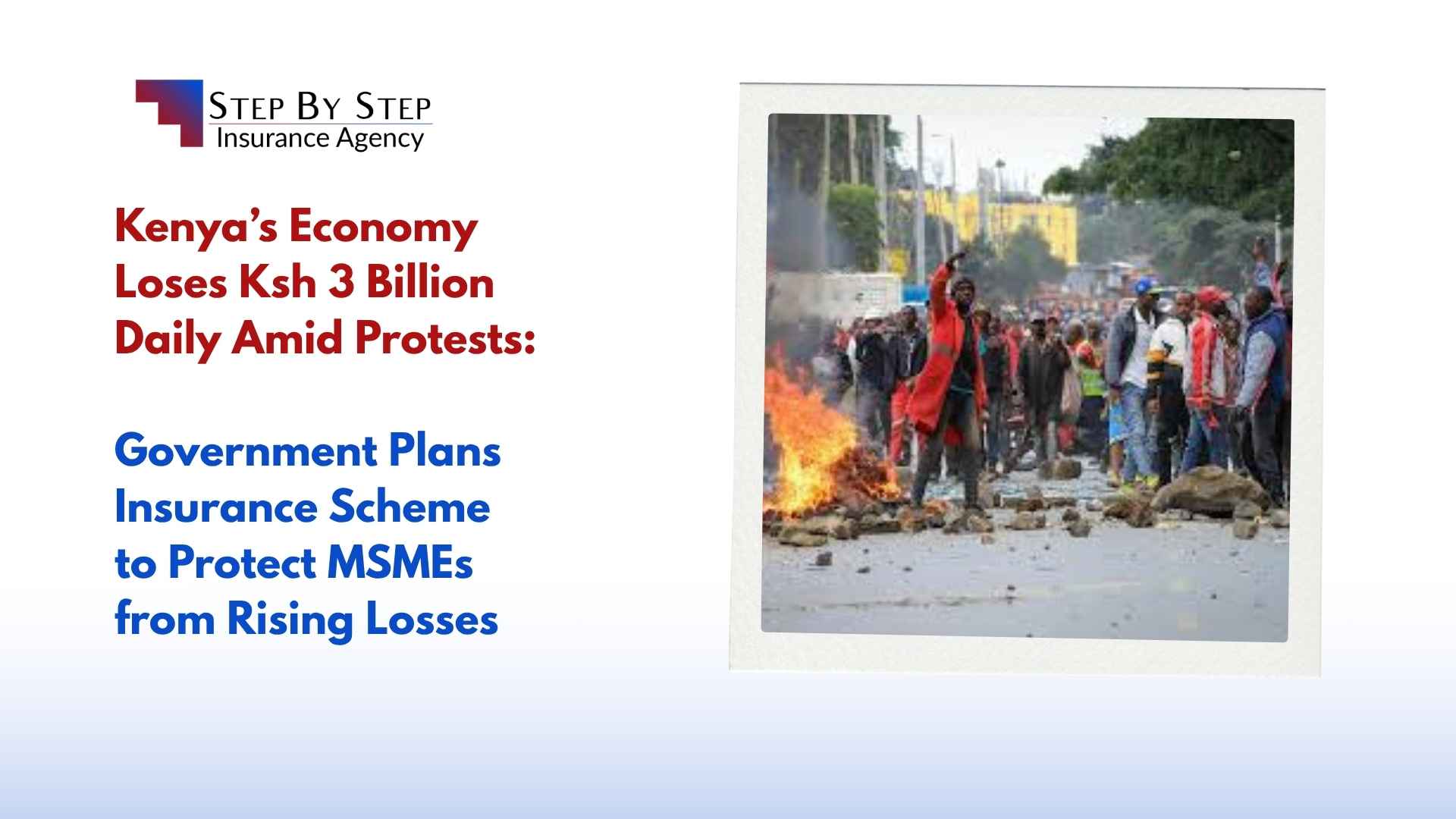
Kenya’s insurance sector and broader economy are currently navigating turbulent waters. The recent wave of anti-government protests, which marked the one-year anniversary of last year’s unrest, has inflicted severe economic damage. The government estimates that these violent protests are costing the country a staggering Ksh 3 billion every day, with Micro, Small, and Medium Enterprises (MSMEs) bearing the brunt of the losses. In response, the government is exploring collaborative insurance solutions tailored to protect MSMEs from such shocks.
In this blog post, we will unpack the full impact of these protests on Kenya’s economy and insurance industry, detail the government’s proposed interventions, and explore how Step By Step Insurance can play a crucial role in helping MSMEs safeguard their businesses.
Key Takeaways
Daily economic loss of Ksh 3 billion due to protests, with MSMEs most affected
Over 60% of MSMEs remain uninsured, leaving them vulnerable to losses
Government developing dedicated insurance scheme for MSME protection
Protests disrupt supply chains, business operations, and investor confidence
Insurance is a strategic investment for business resilience, not just a cost
Connect with other business owners and insurance experts to discuss trends, challenges, and solutions for protecting your enterprise in Kenya’s evolving economic landscape.
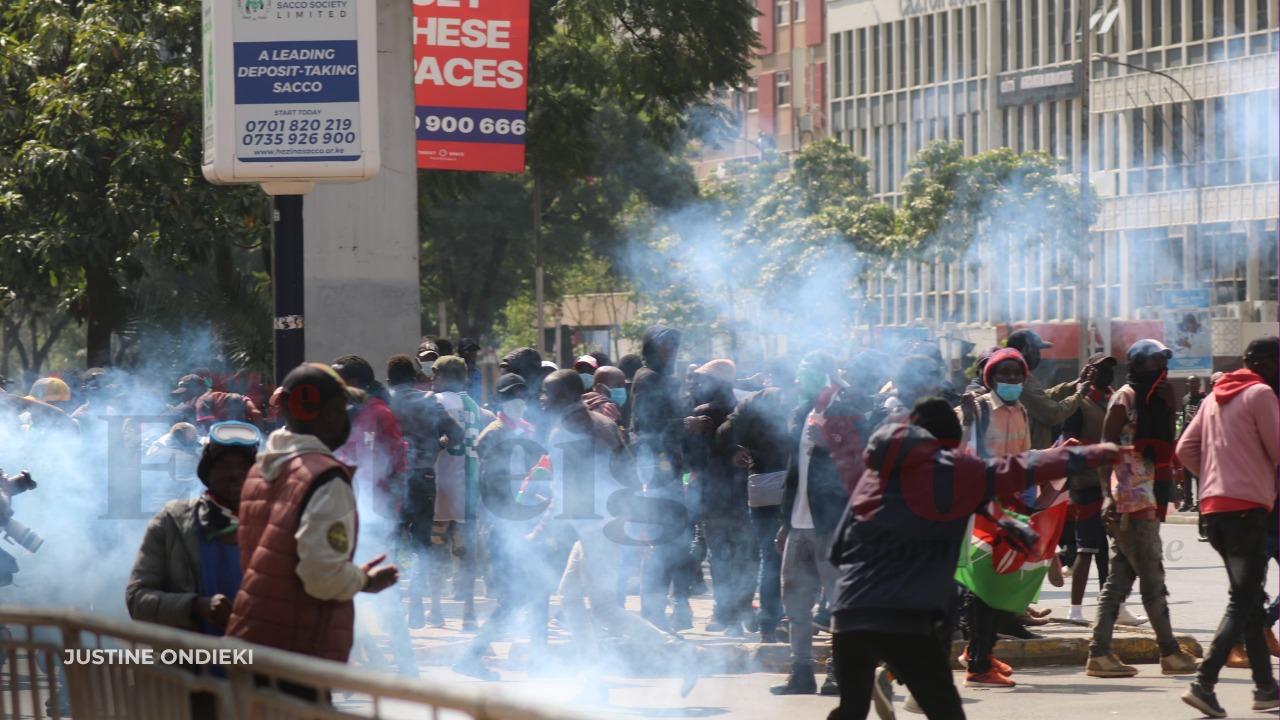
On June 25th, 2025, thousands of Kenyans took to the streets to commemorate the anniversary of the 2024 anti-tax protests that shook the nation. While initially peaceful, these demonstrations escalated into widespread vandalism and disruptions affecting at least 25 counties nationwide. The aftermath left rows of businesses damaged or shuttered, with MSMEs—already vulnerable due to limited resources and insurance coverage—suffering the most.
The government’s estimate of a daily loss of Ksh 3 billion underscores the scale of the economic disruption. This figure reflects not only direct damages to property and inventory but also lost income, halted operations, and a chilling effect on investor confidence. As the backbone of Kenya’s economy, MSMEs’ struggles ripple through communities and the broader market, threatening jobs and livelihoods.
Economic and Social Impact of the Protests
The protests’ impact extends beyond immediate physical damage. The unrest disrupted supply chains, blocked transportation routes, and caused widespread business closures. In Nairobi’s central business district and other urban centers, many shops, banks, and service providers closed their doors for safety, compounding economic losses.
Socially, the protests have deepened political tensions and exacerbated grievances among Kenya’s youth, who cite high unemployment, the high cost of living, and perceived government corruption as core issues. Tragically, the protests have also resulted in fatalities and injuries, with at least sixteen deaths reported during the 2025 demonstrations alone.
The economic fallout is evident in rising nonperforming loans as affected businesses struggle to repay debts. The construction and real estate sectors have seen declines, while agricultural output suffered due to transport disruptions. Investor confidence has wavered, with the Nairobi Securities Exchange experiencing volatility and foreign investors growing cautious.
Challenges Facing the Insurance Sector
The insurance industry in Kenya now faces a dual challenge: a surge in claims related to protest damages and the difficulty of managing risk in an environment marked by political instability. MSMEs, which account for a significant portion of the economy, are particularly exposed because over 60% remain uninsured. This low insurance penetration leaves many businesses vulnerable to total loss in times of crisis.
For insurers, pricing and underwriting risks tied to civil unrest is complex and costly. The unpredictability of protests and the scale of damages make it difficult to set premiums that are both affordable for MSMEs and sustainable for insurers. Additionally, the rise in claims increases the risk of disputes and fraudulent claims, further straining the sector.
Government Response and Proposed MSME Insurance Plan
Recognizing the severe economic damage and the vulnerability of MSMEs, the Kenyan government is actively exploring interventions to cushion private sector players from losses due to violent protests. A key proposal is the development of a dedicated insurance scheme tailored specifically for MSMEs.
The government plans to facilitate the registration of MSMEs to improve coordination and data collection, which are essential for effective risk assessment and insurance coverage. This initiative aims to overcome one of the biggest hurdles: the lack of reliable data on MSMEs, which complicates underwriting and policy design.
However, the government and insurers face challenges in encouraging uptake, given the historically low insurance awareness and affordability issues among MSMEs. The success of this plan will depend on designing accessible, affordable products and effective outreach.
Potential Features of the Government’s MSME Insurance Plan
The envisioned MSME insurance scheme is expected to cover losses from property damage, business interruption, and risks related to civil unrest and vandalism. To make this viable, a public-private partnership model is likely, where the government facilitates and supports insurers who underwrite the risks.
Key Features of Proposed MSME Insurance Plan
Affordable Premiums
Subsidies or risk-sharing mechanisms to keep costs manageable for MSMEs
Simplified Claims
Streamlined procedures tailored to the limited administrative capacity of small businesses
Technology Integration
Digital platforms for registration, premium payments, and claims to enhance accessibility
Risk Management
Education and advisory services to help MSMEs reduce risks and prevent losses
Comprehensive Coverage
Protection against property damage, business interruption, and civil unrest
Such a scheme would not only protect MSMEs but also contribute to economic resilience by stabilizing a vital sector during periods of unrest.
How Step By Step Insurance Can Help MSMEs
(Image Courtesy of Eastleigh Voice)
Step By Step Insurance Agency stands out as a key player in supporting MSMEs to navigate the insurance landscape, especially in these challenging times. With deep expertise in microinsurance and SME-focused products, Step By Step offers tailored solutions that address the unique risks faced by small businesses in Kenya.
Affordable and Tailored Insurance Products
Step By Step provides a range of budget-friendly insurance products designed to cover essential risks such as fire, theft, liability, and business interruption—risks that MSMEs are particularly exposed to during protests and civil unrest. Recognizing that cost is a major barrier, their products are structured to be accessible even to the smallest enterprises.
Specialized Cyber Insurance
As more MSMEs adopt digital tools, cyber risks have become a growing concern. Step By Step offers specialized cyber insurance products that protect against data breaches, cyberattacks, and online fraud—threats that can cripple small businesses without adequate protection.
Personalized Advisory and Risk Management
Beyond selling policies, Step By Step provides personalized advisory services. They help MSMEs understand their specific risks, select appropriate coverage, and implement risk mitigation strategies. This hands-on approach empowers businesses to not only insure but also manage risks proactively.
Leveraging Technology for Accessibility
Step By Step uses digital platforms to simplify insurance processes—from registration to claims filing—making it easier for MSMEs to access and manage their insurance. This reduces administrative burdens and speeds up response times when claims arise.
Commitment to Inclusivity
Step By Step is committed to ensuring no MSME is left unprotected due to cost or complexity. Their focus on education and outreach helps raise insurance awareness, fostering a culture of risk protection among Kenya’s small business community.
Broader Implications for Kenya’s Economy and Insurance Industry
The protests and their aftermath highlight the critical need to strengthen Kenya’s insurance sector as a pillar of economic resilience. Political unrest and social tensions remain elevated risks, with fiscal consolidation efforts and upcoming elections likely to sustain protest activity.
Increasing insurance penetration among MSMEs is vital not only to protect individual businesses but also to stabilize the broader economy. A robust insurance market can help absorb shocks, maintain investor confidence, and support sustainable growth.
Regulatory reforms, technological innovation, and public-private collaboration will be key to expanding access to insurance. The government’s MSME insurance plan, combined with the expertise of agencies like Step By Step, represents a promising path forward.
Conclusion
Kenya’s recent protests have underscored the fragility of its economic and social fabric, particularly the vulnerability of MSMEs. With daily losses estimated at Ksh 3 billion, the urgency to protect small businesses from such shocks has never been greater. The government’s initiative to develop a dedicated MSME insurance scheme is a critical step toward cushioning the private sector from future unrest.
Step By Step Insurance Agency’s role in providing affordable, tailored insurance solutions and risk management support positions it as a vital partner for MSMEs navigating these uncertain times. By embracing insurance, MSMEs can build resilience, safeguard livelihoods, and contribute to Kenya’s broader economic stability.
For MSMEs, the message is clear: insurance is not just a cost but a strategic investment in the future. With the right support and products, Kenya’s small businesses can weather the storms of civil unrest and emerge stronger.
This comprehensive look at Kenya’s current challenges and solutions in the insurance space highlights the importance of collaboration, innovation, and inclusivity. As the nation moves forward, protecting MSMEs through effective insurance will be key to securing a stable and prosperous economic future.
The Ultimate Guide to UAV and Drone Insurance in Kenya | Step by Step Insurance
Drones have soared from niche gadgets to essential tools across Kenyan industries. From breathtaking aerial filming and precision agriculture to surveying vast landscapes and enhancing security, drones are transforming how businesses operate. But with this rise comes risk—accidents, damage, theft, and legal liabilities are real threats that can ground your drone operations and drain your finances.
That’s where drone insurance steps in. If you’re flying drones in Kenya, understanding how to protect your gear, cover liability, and stay compliant with regulations isn’t just smart—it’s mandatory. In this guide, we’ll walk you through everything you need to know about UAV and drone insurance in Kenya, including how trusted experts like Step by Step Insurance can make the process seamless.
Key Takeaways
Drone insurance is mandatory for commercial operators in Kenya
Third-party liability coverage of at least KES 5 million is required by KCAA
Different coverage types protect against various risks (hull, theft, payload)
Non-compliance can result in fines up to KES 500,000 and license revocation
Specialized brokers like Step by Step Insurance simplify the insurance process
The Rise of Drones in Kenya: Opportunities and Risks
Kenya is embracing drone technology like never before. Filmmakers capture stunning aerial shots that tell compelling stories. Farmers use drones for precision spraying and crop monitoring, boosting yields while saving resources. Surveyors map terrain with pinpoint accuracy, and logistics companies explore drone deliveries to reach remote areas faster.
But drones don’t come without risks. Technical glitches, pilot errors, weather challenges, or even theft can lead to costly damages or operational downtime. Worse, accidents involving third parties—like property damage or injuries—can expose you to expensive legal claims. Without insurance, these risks could mean financial ruin.
The good news? Drone insurance is designed to protect you from these uncertainties, ensuring your investment and business stay secure as you innovate.
Navigating Kenya’s Drone Regulations: What You Need to Know
The Kenya Civil Aviation Authority (KCAA) governs drone operations under the Remotely Piloted Aircraft Systems (RPAS) Regulations 2020. Compliance is not optional—it’s a legal requirement.
Regulatory Essentials
Requirement
Description
Details
Drone Registration
Mandatory for all drones
Submit ID, police clearance, drone photos through KCAA portal
Remote Pilot License (RPL)
Required for operators
Training at KCAA-approved schools, practical assessment
Mandatory Insurance
Third-party liability coverage
Minimum KES 5 million coverage for commercial operations
Operational Categories
Category
Risk Level
Requirements
Category A
Low Risk
Drones up to 25kg, VLOS operations, height/distance restrictions
BVLOS operations, special approvals and certifications
Restricted Zones: Flying near airports, military installations, or government sites is prohibited without explicit permission.
Failing to comply can lead to hefty fines (up to KES 500,000), license revocation, or worse—legal liability for damages.
Understanding Drone Insurance Coverage Types
Drone insurance isn’t one-size-fits-all. Different risks require different coverage. Here’s a breakdown of the main types:
Coverage Type
Protection
Why It’s Important
Third-Party Liability
Damages/injuries to others
KCAA requirement, protects against lawsuits
Hull Insurance
Physical damage to your drone
Covers repair/replacement after crashes
Theft Protection
Theft or loss of equipment
Safeguards investment against theft
Payload Insurance
Specialized equipment coverage
Protects high-value cameras/sensors
Drone Regulations Deep Dive
Learn the detailed requirements for flying drones legally in Kenya and why insurance is non-negotiable.
Drone Insurance Essentials
What every drone operator needs to know about insurance coverage options in Kenya.
Emerging Drone Trends
How drone technology is evolving in Kenya and why insurance is becoming more critical.
How to Get Your Drone Insured in Kenya: A Step-by-Step Guide
Getting drone insurance might sound complicated, but it doesn’t have to be. Here’s a simple roadmap:
Step
Action
Documents Required
1
Register Your Drone with KCAA
ID, police clearance, drone photos
2
Assess Your Risks
Operational details, flight patterns
3
Gather Documents
KCAA cert, RPL, KRA PIN, ID/company reg
4
Choose the Right Policy
Compare coverage options and premiums
5
Purchase and Maintain
Renew annually, update with changes
How Step by Step Insurance Makes Drone Insurance Easy
Step by Step Insurance is a trusted Kenyan insurance broker specializing in drone insurance. Here’s how they help:
Service
Benefit
Why It Matters
Tailored Policies
Custom coverage
Matches your specific operational risks
Regulatory Compliance
KCAA requirements met
Fly legally and confidently
Claims Support
Expert guidance
Minimize downtime when accidents happen
Competitive Premiums
Affordable plans
Quality coverage without breaking budget
The Cost of Flying Without Insurance: Risks and Penalties
Operating drones without insurance in Kenya is risky business:
Risk
Potential Consequence
Financial Impact
Fines and Penalties
KCAA enforcement
Up to KES 500,000
Legal Liability
Lawsuits from third parties
Millions in compensation
License Revocation
Loss of operating privileges
Business shutdown
Business Disruption
Project delays and cancellations
Lost revenue and reputation damage
Insurance isn’t just a legal box to tick—it’s your safety net against these costly consequences.
Real-Life Case Study: How Insurance Saved the Day
Imagine a Nairobi-based surveying company conducting a routine aerial mapping mission. Suddenly, their drone loses signal and crashes into a parked vehicle, causing significant damage.
Thanks to their comprehensive drone insurance through Step by Step Insurance, the company’s third-party liability coverage kicked in. The insurer covered KES 1.2 million in vehicle repairs and medical expenses for a bystander who was injured.
Without insurance, the company would have faced crippling out-of-pocket costs and potential legal battles. Instead, they resolved the incident quickly and continued operations with minimal disruption.
The Future of Drone Insurance in Kenya
Drone technology and insurance are evolving fast:
Trend
Development
Impact on Operators
Digital Platforms
Apps for policy management
Easier compliance tracking
Expanded Coverage
Cyber liability, data breaches
More comprehensive protection
Growing Sectors
Agriculture leading adoption
Specialized policies for farming
Regulatory Updates
KCAA refining rules
Need for adaptable insurance
Staying informed and insured means staying ahead in this dynamic industry.
Why Step by Step Insurance Should Be Your Go-To Partner
With over a decade of experience in Kenya’s insurance market, Step by Step Insurance offers:
Conclusion: Protect Your Drone, Protect Your Business
Drones are powerful tools unlocking new possibilities across Kenya—but with great power comes great responsibility. Protecting your UAV gear, covering liability risks, and staying compliant with KCAA regulations isn’t optional; it’s essential.
With the right drone insurance, you safeguard your investment, your reputation, and your peace of mind. And with trusted partners like Step by Step Insurance, you get expert support every step of the way.
Ready to take off with confidence?
Contact Step by Step Insurance today for a free consultation and quote
Education Insurance in Kenya – Secure Your Child’s Future
Education is a powerful driver of opportunity in Kenya, but the rising cost of school and university fees places a heavy burden on families. With private primary school fees ranging between KES 50,000–150,000 per year and university degrees costing upwards of KES 500,000 annually, parents are under increasing pressure to secure their children’s academic futures. Education savings plans and endowment policies offer a disciplined, protected, and tax-advantaged way to ensure tuition continuity—no matter what life brings.
Key Takeaways
Education insurance in Kenya provides:
Guaranteed funds for your child’s education at key milestones
Protection against death, disability, or loss of income
Tax relief of up to 15% on premiums paid
Inflation-beating returns through structured savings
Peace of mind knowing education will continue no matter what
Understanding Education Savings Plans and Endowment Policies
What is an Education Savings Plan?
An education savings plan is a structured financial product that helps parents accumulate funds for their children’s education over a set period. Parents make regular contributions—usually monthly, quarterly, or annually—with the assurance that the money will be available when needed for school or university fees. These plans often provide guaranteed returns, investment bonuses, and flexible payout options that align with the Kenyan academic calendar.
What is an Education Endowment Policy?
An education endowment policy combines long-term savings with life insurance coverage. If the policyholder (usually a parent or guardian) passes away or becomes permanently disabled, the insurer pays out the sum assured and/or waives future premiums. This ensures the child’s education is protected even in the face of adversity. Endowment policies often include bonuses based on investment performance, further enhancing the maturity value.
Why Kenyan Families Need These Plans
Education insurance and savings plans offer several key benefits:
Tuition Continuity: Ensures that children’s education is not disrupted by the financial impacts of death, disability, or loss of income.
Inflation Protection: Structured savings and bonuses help keep pace with the rising cost of education.
Tax Relief: Policyholders can claim up to 15% tax relief on premiums, reducing the effective cost of saving.
Flexible Payouts: Plans are designed to match school fee schedules, with options for lump sum, annual, or termly payments.
Peace of Mind: Parents gain confidence that their children’s futures are secure, regardless of life’s uncertainties.
“Education insurance isn’t a luxury—it’s the difference between a child’s dreams and dead ends.”
— Faith Odhiambo, Financial Planner, Nairobi
Types of Education Plans in Kenya
Policy Type
Best For
Pros
Cons
Traditional Endowment
Risk-averse parents
Guaranteed payout, life cover
Lower returns (4–6%)
Unit-Linked
Growth-focused families
Potential for higher returns
Market risks
Child Education Plans
Tuition-specific needs
Payouts timed to school milestones
Less flexible
Pure Savings Plans
Self-insured individuals
Higher potential returns
No death/disability cover
How These Plans Work: Step-by-Step
Set Your Goal: Estimate future education costs and decide on the savings term that matches your child’s milestones (e.g., secondary school, university).
Choose the Right Provider: Compare plans based on premium flexibility, payout options, bonuses, and protection features.
Application Process: Gather required documents (ID, child’s birth certificate, KRA PIN) and complete the application with your chosen provider or intermediary.
Make Consistent Contributions: Choose a payment schedule that fits your income pattern. Many plans allow you to adjust premiums if circumstances change.
Claiming Benefits: At maturity or in case of a claim (death/disability), follow the provider’s process to receive payouts or continue the policy under the waiver of premium.
Top 5 Education Insurance Policies in Kenya (2025)
1. ICEA Lion Usomi Bora Education Insurance
Key Features:
Affordability & Flexibility: Minimum premium as low as KES 2,000 per month. Premiums can be reduced during tough times and increased when finances improve.
Premium Waiver on Death: If the policyholder dies, ICEA Lion takes over premium payments until maturity.
Savings Growth with Bonuses: Combines life cover with investment. Premiums earn interest, paid as terminal and reversionary bonuses.
Flexible Maturity Payouts: Choose a lump sum, four annual installments, or eight termly payments.
Tax-Free and Tax Relief Benefits: Maturity payouts are tax-free. Policyholders can claim a 15% tax relief on premiums.
Case Study: Mary, a 32-year-old mother, started a Usomi Bora policy when her son was 5. She paid KES 3,000 monthly for 12 years. When her son joined secondary school, she opted for eight termly payouts, matching school fee schedules. If Mary had passed away during the policy term, ICEA Lion would have continued the premium payments, ensuring her son’s education was uninterrupted.
2. CIC Academia Policy
Key Features:
Flexible Terms: Policy terms from 9 to 18 years, with premium payment terms between 5 and 14 years.
Affordable Premiums: Monthly premiums start at KShs 2,000–3,000.
Comprehensive Protection: On death or permanent disability, 50% of the sum assured is paid immediately, plus accrued bonuses.
Flexible Beneficiary Options: If the child dies, another beneficiary can be nominated, or premiums refunded.
Tax Relief: Eligible for 15% tax relief on premiums (up to KShs 5,000 per month).
Case Study: Jane, a 30-year-old mother, started a CIC Academia Policy for her 4-year-old son, choosing a 14-year premium term and an 18-year policy term. After paying premiums for 14 years, she received staggered payouts over 4 years. When Jane became permanently disabled in year 10, CIC waived all future premiums and paid 50% of the sum assured.
3. Britam Boresha Elimu Plan
Key Features:
Low Entry Premiums: Minimum premiums from KES 1,500.
Flexible Policy Term: 6 to 18 years.
Death Benefit: Sum assured is paid out, and future premiums are waived.
When to Choose: Ideal for parents seeking a low-cost, straightforward plan with guaranteed bonuses and milestone-based payouts.
4. Jubilee Career Life Plus
Key Features:
Flexible Terms: Policy terms from 5 to 20 years.
Comprehensive Coverage: Includes both death and disability cover.
Bonus Structure: Annual bonuses declared.
Payout Flexibility: Choose between a lump sum or annual installment payouts.
Tax Relief: Premiums qualify for tax relief.
When to Choose: Best for parents wanting flexible payout options and comprehensive protection throughout their child’s education journey.
5. Old Mutual Elimika Education Plan
Key Features:
Flexible Policy Terms: Designed to align with various education milestones.
Life Cover: Ensures the sum assured is paid out in the event of the policyholder’s death.
Bonus Structure: Offers both guaranteed and performance-based bonuses.
Payout Options: Lump sum or structured payouts to match school fee schedules.
Tax Relief: Eligible for tax relief on premiums.
When to Choose: A strong choice for parents seeking flexibility, robust life cover, and the potential for higher returns.
Comparison Table: Top Education Insurance Policies in Kenya
Feature
ICEA Lion Usomi Bora
CIC Academia Policy
Britam Boresha Elimu
Jubilee Career Life Plus
Old Mutual Elimika
Minimum Premium
KES 2,000
KES 2,000–3,000
KES 1,500
KES 3,000
Varies
Policy Term
8–17 years
9–18 years
6–18 years
5–20 years
Flexible
Death Benefit
Sum assured + waiver
50% sum + bonuses
Sum assured + waiver
Sum assured + waiver
Sum assured + waiver
Disability Cover
Yes
Yes
Yes
Yes
Yes
Payout Flexibility
Lump sum/Installments
Partial + final
3 lump sums
Lump sum/Annual
Lump sum/Installments
Bonus Structure
Terminal/Reversionary
Partial + final
Annual
Annual
Guaranteed/Performance
Surrender Option
After 3 years
After 3 years
After 25 months
After 3 years
Varies
Tax Relief
Yes (15%)
Yes (up to 5,000)
Yes
Yes
Yes
Maximizing Your Education Plan: Pro Tips
Start Early: The longer you save, the greater your potential bonuses and growth.
Align Policy Term with Education Milestones: Match payouts with when your child will need school fees.
Use Flexible Payment Options: Choose a payment schedule that fits your income pattern.
Review Annually: Adjust your premium or term as your child grows or your finances change.
Leverage Tax Relief: Ensure you claim available tax benefits to reduce costs.
Consider Estate Planning: Set up a trust to ensure funds are used for your child’s education.
Frequently Asked Questions
Who is eligible for these policies?
Any parent or guardian with an insurable interest in the child, subject to the provider’s underwriting and age limits.
What if I lose my income?
Many plans allow you to reduce your premium to a minimum amount and increase it again when your situation improves.
What happens if I pass away during the policy term?
Most plans waive all future premiums and pay the sum assured plus bonuses to your beneficiary at maturity.
Can I change my premium or term?
Yes, most providers allow you to revise your premium upwards or downwards as your financial position changes.
How do I claim tax relief?
Inform your employer’s HR department or claim directly from KRA if self-employed.
Real-Life Scenarios
ICEA Lion Usomi Bora
Mary, a 32-year-old mother, secures her son’s future with termly payouts that match school fee deadlines. In the event of her passing, ICEA Lion would continue her premium payments, ensuring her son’s education is never interrupted.
CIC Academia Policy
Jane, a 30-year-old mother, receives staggered payouts for her son’s secondary and university fees. When she becomes permanently disabled, CIC waives all future premiums and pays 50% of the sum assured, guaranteeing her son’s education continues.
Conclusion
Education savings plans and endowment policies are essential tools for Kenyan families facing the rising cost of quality schooling. By choosing the right plan, starting early, and reviewing your policy regularly, you can guarantee tuition continuity and peace of mind—no matter what the future holds. With flexible options, robust protection, and tax advantages, these top education insurance policies stand out as the best way to secure your child’s academic journey.
Ready to take the next step? Reach out to Step by Step Insurance for a free quote and personalized guidance on securing your child’s education. As your trusted intermediary, Step by Step Insurance will help you assess your education goals, tailor the right plan for your family, guide you through the application process, and provide ongoing support throughout your policy’s life. Start building your child’s brighter future today—contact Step by Step Insurance for a consultation and quote.
Get Started Today
Contact us for a personalized consultation and quote
Port of Mombasa’s Record Growth: Why Marine Insurance is Essential for Kenyan Businesses
The Port of Mombasa, Kenya’s main maritime gateway and one of the busiest ports in Africa, has once again demonstrated its critical role in regional trade. In 2024, the port handled a record 41.1 million tonnes of cargo, marking a 14.1% increase from the previous year. Container traffic surpassed the 2 million TEU (twenty-foot equivalent units) milestone for the first time in over a decade, reflecting a 23.5% rise compared to 2023.
This surge in cargo throughput and container traffic underscores the port’s expanding capacity and efficiency, but it also brings heightened risks for importers and exporters. As trade volumes grow, so does the exposure to potential losses from damage, theft, delays, and other perils during transit. This makes marine insurance in Kenya more essential than ever for businesses relying on the Port of Mombasa.
🔑Key Takeaways
Port of Mombasa achieved record-breaking cargo volumes of 41.1 million tonnes in 2024
Container traffic exceeded 2 million TEUs for the first time in over a decade
Mandatory marine insurance for imports becomes effective February 2025
Rising cargo volumes increase risk exposure for importers and exporters
Local marine insurance compliance is now legally required for customs clearance
According to the Kenya Ports Authority (KPA), the Port of Mombasa handled 41.1 million tonnes of cargo in 2024, up from 35.98 million tonnes in 2023. This 14.1% increase reflects the port’s resilience and ability to manage growing trade volumes despite global disruptions.
📊Metric
2023 Performance
2024 Performance
Growth Rate
Total Cargo Volume
35.98 million tonnes
41.1 million tonnes
+14.1%
Container Traffic (TEUs)
1,623,080
2,005,076
+23.5%
Imports (TEUs)
716,802
768,088
+7.2%
Exports (TEUs)
686,134
731,934
+6.6%
Transit Cargo
11.4 million tonnes
13.4 million tonnes
+17.4%
Transshipment Traffic
211,144 TEUs
491,666 TEUs
+132.9%
The port’s performance in December 2024 alone was remarkable, handling 3.75 million tonnes of cargo—a 23.7% increase from December 2023. These figures highlight the Port of Mombasa’s strategic importance as East Africa’s primary trade gateway and its growing role in facilitating regional commerce.
🌍The Strategic Importance of the Port of Mombasa
Mombasa serves not only Kenya but also landlocked neighbors such as Uganda, South Sudan, Rwanda, the Democratic Republic of Congo, and Tanzania. Its efficient operations and expanding capacity have made it a preferred hub for transshipment and regional trade.
Ongoing investments in infrastructure, equipment modernization, and operational efficiency have positioned the port to meet increasing global trade demands. This growth is vital for the region’s economic development but also increases the volume and value of goods passing through, amplifying the risks faced by importers and exporters.
⚠️Rising Import Volumes and Increased Risk Exposure
With the surge in cargo volumes, Kenyan businesses face greater exposure to risks such as:
Cargo damage from handling, weather, or accidents
Theft and piracy, especially during transit through high-risk maritime zones
Delays and logistical disruptions caused by congestion, geopolitical crises, or natural disasters
Losses due to improper documentation or customs clearance issues
The financial impact of these risks can be severe, potentially wiping out profit margins or even threatening business viability. Without adequate protection, businesses bear the full brunt of these losses.
All imports into Kenya must be covered by locally issued marine cargo insurance
Insurance certificates must be digital and integrated with Kenya’s customs clearance system (ICMS)
Importers must obtain marine insurance from approved local insurers before customs clearance
This replaces the previous practice where many importers relied on foreign insurers, ensuring premium retention within Kenya’s insurance industry. This regulation aligns with amendments to the Marine Insurance Act (2017) and is enforced by the Kenya Revenue Authority (KRA) and the Insurance Regulatory Authority (IRA).
🛡️Why Marine Insurance Is Now Essential for Kenyan Importers and Exporters
Marine insurance provides critical protection against the many risks involved in transporting goods by sea, air, or land. Key benefits include:
Financial protection against loss, damage, theft, or delay of cargo
Compliance with Kenya’s new legal requirements for imports
Risk management that supports business continuity and supply chain resilience
Facilitation of customs clearance and access to financing by demonstrating insured cargo
For businesses operating through the Port of Mombasa, marine insurance is no longer optional—it is a legal and practical necessity.
💼Opportunities and Challenges for the Local Insurance Industry
📈Opportunities
The new marine insurance mandate presents significant opportunities:
Growth in premium income retained within Kenya
Expansion of the local marine insurance market
Development of underwriting and claims management expertise
⚡Challenges
However, challenges remain:
Ensuring local insurers have the capacity to cover high-value and complex risks
Educating importers and exporters about the new requirements
Balancing competitive pricing with comprehensive coverage
Leveraging digital platforms for efficient policy issuance and claims processing
✅Practical Steps for Importers and Exporters
To comply and protect your cargo:
Identify approved local marine insurers and digital platforms
Obtain a marine insurance policy covering the full transit period and value of your cargo
Ensure your insurance certificate is digital and compliant with KRA’s ICMS system
Work with experienced clearing agents familiar with the new regulations
Review policy terms carefully, focusing on coverage scope, exclusions, and claims procedures
🚀Ready to Secure Your Cargo?
Don’t wait until it’s too late. Get compliant marine insurance coverage today.
🤝Step By Step Insurance: Your Trusted Partner for Marine Insurance in Kenya
As the Port of Mombasa continues to grow and Kenya enforces mandatory local marine insurance, choosing the right insurance partner is crucial. Step By Step Insurance Agency offers tailored marine insurance solutions designed for Kenyan importers and exporters.
Customized policies for bulk cargo, containerized goods, and specialized shipments
Full compliance with Kenya’s KRA and IRA marine insurance requirements
Partner with Step By Step Insurance to safeguard your cargo, ensure smooth customs clearance, and protect your business investments.
🎯Conclusion
The Port of Mombasa’s record-breaking cargo volumes underscore Kenya’s growing role in global and regional trade. However, with increased imports comes increased risk. Marine insurance in Kenya is now a legal requirement and a vital tool for managing these risks.
Kenyan businesses must adapt to the new marine insurance regulations, securing local, compliant policies to protect their cargo and investments. With trusted partners like Step By Step Insurance, importers and exporters can navigate this new landscape confidently, ensuring their goods are protected and their operations uninterrupted.
APA WIBA Insurance: Protecting Your Employees and Business with Workman’s Compensation
Every employer’s top priority should be the safety and well-being of their employees. Workplace accidents and injuries can happen unexpectedly, and when they do, both the employee and the employer need reliable protection. APA WIBA Insurance (Work Injury Benefits Act Insurance) is designed to provide just that—comprehensive coverage for employees in the event of accidental injury, disability, or death while on duty. As a trusted insurance intermediary, Step By Step Insurance partners with APA Insurance to bring you comprehensive WIBA solutions tailored to your business needs. This article will explain what APA WIBA Insurance is, what it covers, and why it’s essential for every business in Kenya.
🔑Key Takeaways
Legal Requirement: WIBA insurance is mandatory for all employers in Kenya under the WIBA Act 2007
Comprehensive Coverage: APA Insurance protects against accidental injury, disability, and death while on duty
Trusted Partnership: Step By Step Insurance serves as your dedicated intermediary for APA WIBA products
Generous Compensation: Up to 8 years of earnings for death and permanent disability
24-Hour Options: WIBA Plus extends coverage beyond working hours
Expert Support: Professional guidance through our intermediary services for policy selection and claims
Financial Protection: Shields businesses from unexpected compensation claims
APA WIBA Insurance is a workman’s compensation policy that protects employees against accidental bodily injury, disablement, or death that occurs while they are engaged in the employer’s business or any project undertaken by the employer. The policy is structured in accordance with the WIBA Act 2007, ensuring that compensation is fair, transparent, and legally compliant.
This policy is not just a legal requirement for employers in Kenya—it’s also a smart way to demonstrate care for your workforce and shield your business from unexpected financial burdens. Understanding the real cost of ignoring WIBA insurance is crucial for every employer.
👥Who Needs APA WIBA Insurance?
🏢Employers in all sectors
Whether you run a factory, office, construction site, or retail business, if you have employees, you need WIBA insurance.
🔨Project-based businesses
Companies that undertake projects with varying teams or contract workers.
🎓Schools and organized groups
For group personal accident cover, including students and staff.
Work employees and their protection under Kenyan law
⭐Key Features and Benefits of APA WIBA Insurance
🛡️1. Comprehensive Employee Protection
APA WIBA Insurance covers employees while on duty and engaged in any business activity or project for the employer. The policy provides compensation for:
Accidental bodily injury
Disablement (temporary or permanent)
Death
⚖️2. Legal Compliance
Compensation is paid according to the provisions of the WIBA Act 2007, ensuring your business meets all statutory requirements.
💰3. Generous Compensation Limits
Death: Up to 8 years (96 months) of the employee’s earnings
Permanent Total Disability: Up to 8 years (96 months) of earnings
Temporary Total Disability: Weekly earnings paid for up to 52 weeks
🏥4. Medical and Funeral Expenses
Medical expenses: Free cover up to Kshs. 100,000 per employee (higher limits available at extra premium)
Funeral/Last expense: Free cover up to Kshs. 30,000 per employee (higher limits available at extra premium)
🕐5. WIBA Plus – 24-Hour Coverage
For businesses seeking even broader protection, the WIBA Plus policy extends coverage to 24 hours, protecting employees even outside their official working hours.
📊What Does APA WIBA Insurance Cover?
Here’s a comprehensive reference table summarizing the core coverage under APA WIBA Insurance:
Benefit Type
Coverage Details
Maximum Duration
Death
Up to 8 years (96 months) of earnings
Lump sum payment
Permanent Total Disability
Up to 8 years (96 months) of earnings
Lump sum payment
Temporary Total Disability
Weekly earnings
Up to 52 weeks
Medical Expenses
Up to Kshs. 100,000 per employee
Per incident
Funeral/Last Expense Cover
Up to Kshs. 30,000 per employee
Per incident
👨👩👧👦Group Personal Accident Cover: Flexible Protection for Modern Lifestyles
Today, people often work, travel, and socialize in groups. APA Group Personal Accident Insurance is designed for such scenarios, providing cover for accidental death or incapacitation for groups or individuals.
🎯Who can benefit?
Individuals and groups under 65 years
Schools and student groups
Clubs, societies, and organized teams
💼Key Benefits
Death: Compensation up to 8 years of earnings
Permanent Total Disability: Up to 8 years of earnings
Temporary Total Disability: Weekly earnings up to 52 weeks
Medical Expenses: Up to Kshs. 100,000 per person (higher limits optional)
Funeral/Last Expense: Up to Kshs. 30,000 per person (higher limits optional)
Special Group Personal Insurance covers both work and non-work accidents, making it ideal for organizations that want round-the-clock protection for their members.
❗Why Is APA WIBA Insurance Important for Your Business?
⚖️1. Legal Requirement
The WIBA Act 2007 makes it mandatory for employers in Kenya to provide work injury benefits. Failure to comply can result in legal penalties and business disruptions. Learn more about WIBA legal compliance requirements.
❤️2. Employee Welfare
A robust WIBA policy shows your employees that you value their safety and well-being, boosting morale and loyalty.
💸3. Financial Protection
Workplace accidents can lead to significant financial liabilities. APA WIBA Insurance ensures your business is protected from large, unexpected compensation claims. Understanding the cost of ignoring WIBA insurance highlights this importance.
😌4. Peace of Mind
With APA’s trusted claims service and comprehensive coverage, both employers and employees can focus on their work, knowing they’re protected.
❓Frequently Asked Questions about APA WIBA Insurance
❓Is APA WIBA Insurance compulsory in Kenya?
Yes, it is a legal requirement for all employers under the WIBA Act 2007.
❓Can I increase the medical or funeral cover limits?
Yes, higher limits are available at an additional premium.
❓Does WIBA Plus cover employees outside working hours?
Yes, WIBA Plus offers 24-hour worldwide coverage.
❓Who receives the compensation in case of death?
Compensation is paid to the employee’s legal representatives or nominated beneficiaries.
❓Can students or non-employees be covered?
Yes, through the Group Personal Accident policy, students and organized groups can be covered.
📝How to Get APA WIBA Insurance
Getting covered is easy with Step By Step Insurance as your trusted intermediary for APA Insurance products:
Request a Quote: Visit our quote page or contact us directly for personalized APA WIBA solutions
Expert Consultation: Our insurance specialists help you determine the right APA WIBA coverage level for your business or group
Customise Your APA Policy: Choose standard WIBA, WIBA Plus, or add Group Personal Accident as needed
Seamless Processing: We handle all the paperwork and liaison with APA Insurance on your behalf
Get Covered: Enjoy peace of mind knowing your employees or group members are protected under APA’s comprehensive coverage
📞Ready to Get Protected?
Take action today to protect your employees and business
🌟Why Choose APA WIBA Insurance Through Step By Step Insurance?
As your dedicated insurance intermediary, Step By Step Insurance bridges the gap between you and APA Insurance, providing:
👨💼Expert intermediary guidance on APA WIBA compliance and policy selection
🤝Personalised intermediary service for businesses of all sizes
⚡Streamlined claims support – we liaise with APA Insurance for fast turnaround
📋Access to full APA product range including Group Personal Accident and WIBA Plus
🎯Dedicated account management throughout your policy lifecycle
💡Professional advice on optimizing your APA WIBA coverage
🎯Conclusion
APA WIBA Insurance is the smart, responsible choice for every employer in Kenya. It not only fulfills your legal obligations under the WIBA Act 2007 but also demonstrates your commitment to employee welfare and business sustainability. With options for 24-hour cover and group accident protection, APA ensures you’re prepared for whatever the future holds.
Through our partnership as a trusted insurance intermediary, Step By Step Insurance makes accessing APA’s comprehensive WIBA solutions simple and straightforward. Our expert team handles all the complexities, from policy selection to claims processing, ensuring you get the best possible coverage and service.
Ready to protect your team with APA WIBA Insurance? Get a quote or learn more from Step By Step Insurance today.
🔗External Resources
For additional information about APA WIBA Insurance products and services: