New Marine Cargo Insurance Rules in Kenya: What Importers and Exporters Must Know in 2026

Kenya’s import and export industry has entered a new era.
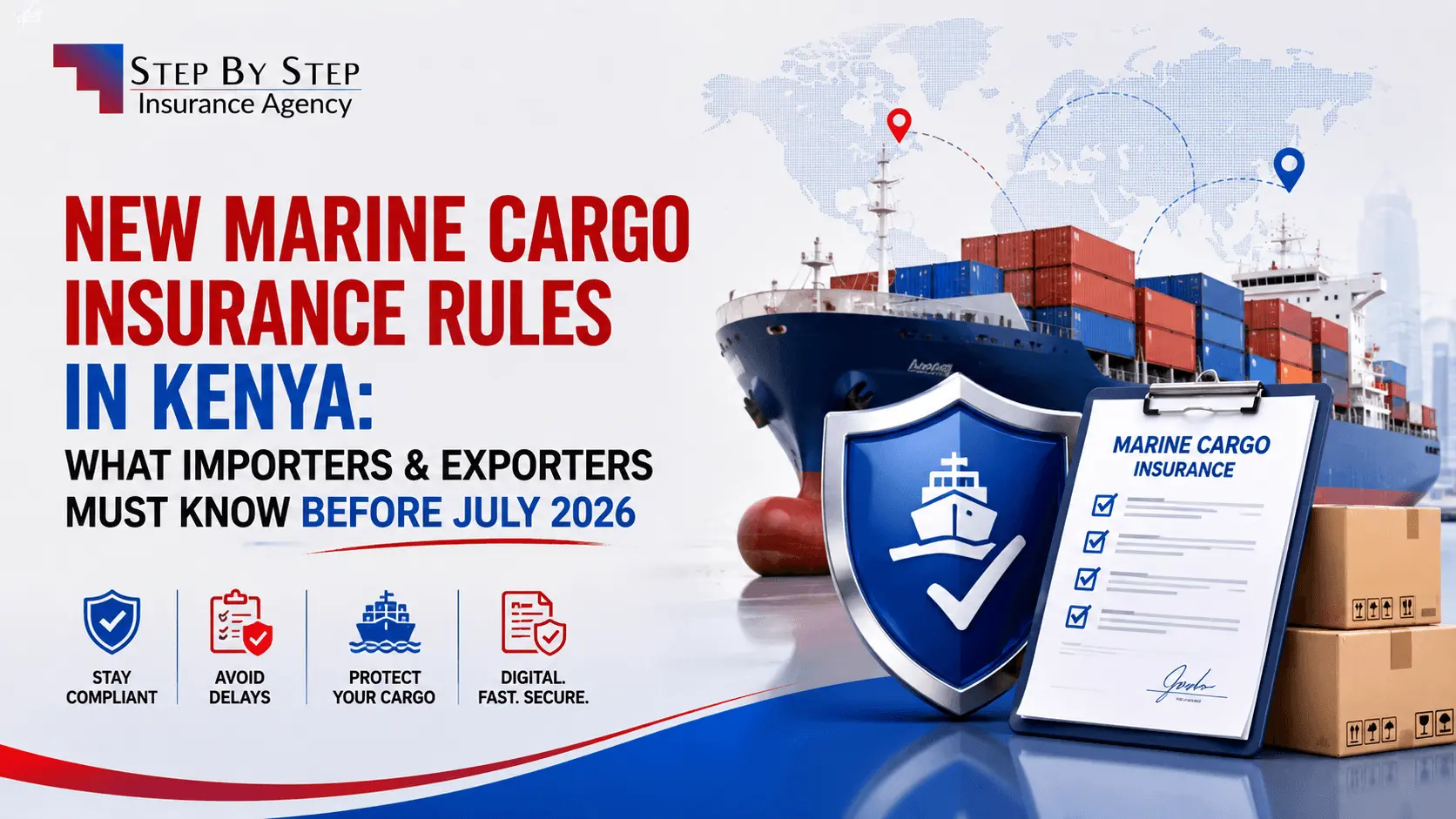
From 1st July 2026, the Government of Kenya has intensified the enforcement of mandatory locally issued Marine Cargo Insurance (MCI) through the newly launched Digital Marine Cargo Insurance (DMCI) Platform. The initiative is designed to improve compliance, streamline customs clearance, reduce tax leakage, and strengthen Kenya’s insurance industry by ensuring marine cargo insurance is purchased from insurers licensed within the country.
If you’re an importer, exporter, clearing and forwarding agent, logistics company, or business that regularly ships goods internationally, understanding these new requirements is essential to avoid delays, additional costs, and compliance issues.
In this guide, we’ll explain what has changed, who is affected, and how your business can stay compliant.
Key Takeaways
- From 1st July 2026, all imported cargo destined for Kenya must be covered by Marine Cargo Insurance issued by a locally licensed insurer before customs clearance.
- The new Digital Marine Cargo Insurance (DMCI) Platform links insurers, importers, agents, IRA, KRA, and eCitizen for electronic verification.
- Non-compliance can lead to delayed customs clearance, demurrage charges, storage fees, and business disruption.
- Compliance benefits include faster cargo clearance, improved transparency, and stronger protection through regulated local insurers.
- Businesses should review shipping terms, work with licensed providers, and plan insurance early to avoid delays.
- Step by Step Insurance can help businesses arrange compliant Marine Cargo Insurance and navigate the new rules.
Stay ahead in the world of insurance. Join our WhatsApp community for the latest insurance trends, tips, and news — straight to your phone.
Join our WhatsApp CommunityWhat Are the New Marine Cargo Insurance Rules?
The Government has reinforced the implementation of existing provisions under the Marine Insurance Act and the Insurance Act by requiring that all imported cargo destined for Kenya be covered by Marine Cargo Insurance issued by insurers licensed in Kenya before customs clearance. Enforcement is now supported by a fully digital verification process integrated with government systems.
To facilitate compliance, industry stakeholders launched the Digital Marine Cargo Insurance (DMCI) Platform, allowing importers and clearing agents to obtain and verify marine cargo insurance certificates electronically before cargo is released by customs. This mirrors a broader regional trend, as several East African economies have been tightening insurance regulatory oversight to keep premiums and risk within domestic markets.
Why Was the New Digital Platform Introduced?
For years, Kenya experienced several challenges in marine cargo insurance, including:
- Cargo arriving with inadequate insurance cover.
- Difficulties verifying insurance certificates.
- Insurance premiums flowing to foreign insurers instead of supporting the local market.
- Revenue leakage and tax compliance challenges.
- Delays in customs verification processes.
The Digital Marine Cargo Insurance Platform addresses these issues by linking insurers, importers, clearing agents, the Insurance Regulatory Authority (IRA), the Kenya Revenue Authority (KRA), eCitizen, and payment systems into one digital ecosystem for faster verification and compliance.
Who Must Comply?
The new requirements affect virtually everyone involved in international trade, including:
- Importers
- Exporters
- Clearing and forwarding agents
- Freight forwarders
- Manufacturers importing raw materials
- Wholesalers and distributors
- Retail businesses sourcing products overseas
- E-commerce businesses importing inventory
- Logistics companies
Whether you’re importing machinery, electronics, pharmaceuticals, textiles, building materials, or consumer goods, compliance is essential.
What Is Marine Cargo Insurance?
Marine Cargo Insurance protects goods while they are being transported internationally by:
- Sea freight
- Air freight
- Rail (where applicable)
- Multimodal transport involving international shipping
Depending on the policy, Marine Cargo Insurance can provide protection against risks such as:
- Accidental damage
- Theft
- Fire
- Storms
- Vessel accidents
- General average contributions
- Loss during transit
- Natural disasters affecting cargo
Without adequate cover, businesses may suffer significant financial losses if cargo is damaged or lost before reaching its destination. For a deeper look at how cover extends beyond the port, see our guide comparing Goods in Transit and Marine Cargo Insurance.
How the Digital Marine Cargo Insurance Platform Works
The new process has been designed to simplify compliance.
Step 1: Purchase Marine Cargo Insurance
Before your shipment arrives in Kenya, obtain Marine Cargo Insurance from a licensed Kenyan insurer or through an authorized insurance intermediary such as Step by Step Insurance.
Step 2: Digital Certificate Generation
A Digital Marine Cargo Insurance Certificate is generated electronically.
Step 3: System Integration
The certificate is automatically linked to government systems, including the KRA Integrated Customs Management System (ICMS), allowing customs officers to verify compliance digitally.
Step 4: Customs Clearance
Once verified, the customs clearance process becomes more efficient since insurance validation happens electronically.
| Topic | Link |
|---|---|
| Marine Cargo Insurance Guide | Kenya Marine Cargo Insurance Guide |
| Goods in Transit vs Marine Cargo | Goods in Transit Insurance vs Marine Cargo Insurance |
What Happens If You Don’t Comply?
Failure to comply with Kenya’s marine cargo insurance requirements can result in several costly consequences, including:
Delayed Customs Clearance
Goods may not be cleared until compliant marine cargo insurance has been obtained and verified.
Increased Storage Costs
Delays at ports or airports can lead to:
- Demurrage charges
- Storage fees
- Port handling costs
Business Disruption
Delayed cargo can interrupt:
- Manufacturing schedules
- Retail inventory
- Customer deliveries
- Supply chain operations
Additional Administrative Costs
Businesses may need to urgently arrange compliant insurance, causing avoidable expenses and operational delays.
Benefits of the New Marine Cargo Insurance System
While compliance is mandatory, the reforms also bring several advantages.
Faster Cargo Clearance
Digital verification reduces paperwork and manual processing.
Improved Transparency
Electronic verification minimizes fraud and fake insurance certificates.
Better Risk Protection
Businesses receive proper insurance coverage from regulated insurers operating in Kenya, consistent with standards set out by bodies such as the Insurance Regulatory Authority.
Stronger Local Insurance Industry
Keeping premiums within Kenya supports the growth of local insurers and contributes to the country’s economy.
What Businesses Should Do Now
If your business imports goods, now is the time to prepare.
Review Your Shipping Arrangements
Confirm whether your suppliers are using shipping terms that align with Kenya’s current insurance requirements. Businesses relying on supplier-arranged insurance should assess whether changes are needed to avoid paying for duplicate cover.
Work With Licensed Insurance Providers
Always obtain Marine Cargo Insurance through insurers licensed by the Insurance Regulatory Authority (IRA) or an authorized insurance intermediary.
Plan Early
Arrange your insurance before cargo arrives to avoid unnecessary delays.
Keep Documentation Ready
Ensure all shipping documents are complete and accurate before customs processing begins. Cross-checking requirements against the Kenya Revenue Authority’s customs guidance can help avoid last-minute surprises.
Seek Professional Advice
Marine Cargo Insurance requirements can vary depending on the nature and value of your shipment. Professional guidance helps ensure your cover matches your business needs.
Why Choose Step by Step Insurance?
At Step by Step Insurance, we help businesses navigate changing insurance regulations with confidence.
Our experienced advisors can help you:
- Arrange compliant Marine Cargo Insurance
- Compare leading insurers in Kenya
- Ensure your shipments meet regulatory requirements
- Provide professional claims support
- Offer risk management advice for importers and exporters
Whether you’re importing goods occasionally or managing large-scale international trade, we can help you secure the right protection while keeping your business compliant.
Frequently Asked Questions (FAQs)
Is Marine Cargo Insurance now mandatory in Kenya?
Yes. Imported cargo must be covered by Marine Cargo Insurance issued by a locally licensed insurer before customs clearance, with compliance supported through the Digital Marine Cargo Insurance system.
Who needs Marine Cargo Insurance?
Importers, exporters, freight forwarders, manufacturers, wholesalers, distributors, and businesses involved in international trade.
Does Marine Cargo Insurance replace Goods in Transit Insurance?
No. Marine Cargo Insurance protects goods during international transportation, while Goods in Transit Insurance generally covers domestic transportation within Kenya.
Can Step by Step Insurance help me arrange Marine Cargo Insurance?
Absolutely. We work with reputable insurers in Kenya to help businesses obtain compliant Marine Cargo Insurance tailored to their shipping needs.
Final Thoughts
Kenya’s Digital Marine Cargo Insurance Platform marks a significant step toward modernizing trade compliance and strengthening the country’s insurance sector. While the new requirements introduce additional compliance responsibilities, they also create a more transparent, efficient, and secure environment for international trade.
If your business imports or exports goods, preparing early is the best way to avoid costly delays and ensure uninterrupted operations.
Need Marine Cargo Insurance? Step by Step Insurance is here to help you navigate the new regulations with confidence. Contact our team today for expert advice, competitive quotations, and compliant Marine Cargo Insurance solutions tailored to your business.
Need Help? Talk to an Expert
+254 (0) 735 626 912 | +254 (0) 716 534 192
WhatsApp: 0722 888 350