Kenya’s general insurance sector is set for a strong expansion in 2025, with forecasts predicting growth of 9.9%. This surge is largely attributed to the growing adoption of microinsurance and enhanced market access through digital innovation and regulatory progress.
🔑 Key Takeaways
Kenya’s insurance sector projected to grow by 9.9% in 2025
Microinsurance driving financial inclusion
Mobile technology revolutionizing distribution
Insurtech improving efficiency and personalization
Microinsurance products are becoming increasingly popular across Kenya, particularly among low-income groups and workers in the informal sector. These affordable, accessible insurance solutions cover risks such as health emergencies, crop and livestock losses, and small business liabilities. Since a significant proportion of the population works in agriculture or informal employment with limited access to conventional insurance, microinsurance provides vital protection and fosters financial inclusion.
Microinsurance Type
Coverage
Target Group
Health Microinsurance
Emergency medical coverage
Low-income families
Agricultural Insurance
Crop/livestock protection
Smallholder farmers
Business Microinsurance
Liability and asset protection
Informal sector workers
The Role of Mobile Technology in Insurance Growth
Mobile platforms like M-Pesa have revolutionized insurance distribution in Kenya by enabling digital payments and policy purchases. This technology has helped insurers reach underserved rural populations, transforming insurance from a luxury to a practical tool and significantly broadening market penetration beyond urban areas.
Mobile Insurance Penetration Stats
Platform
Users (millions)
Insurance Products
M-Pesa
30+
Health, life, crop insurance
Airtel Money
5+
Micro-life insurance
T-Kash
3+
Asset protection
Digital Innovation and Insurtech Enhancing Efficiency
Insurtech advancements are streamlining policy administration, claims processing, and customer engagement. These digital tools improve operational efficiency, reduce costs, and enable insurers to offer personalized insurance products. Greater accessibility and innovation contribute directly to market growth.
Key Insurtech Solutions
AI-powered claims processing
Blockchain for fraud prevention
Telematics for usage-based insurance
Chatbots for customer service
Data analytics for personalized pricing
Regulatory Support Strengthening the Insurance Ecosystem
The Insurance Regulatory Authority (IRA) has introduced reforms to enhance transparency, consumer protection, and market stability. Licensing updates and frameworks supporting digital insurance products help build trust and encourage investment, fostering a conducive environment for industry growth.
Market Size and Sector Composition
Kenya’s insurance market is projected to reach approximately US$8.32 billion in gross written premiums by 2025, with general insurance comprising over half of this total. Key insurance lines include motor, medical, property, and commercial insurance, reflecting the evolving needs of Kenya’s growing economy.
Insurance Line
Market Share
Growth Rate
Motor Insurance
32%
8.5%
Medical Insurance
28%
11.2%
Property Insurance
18%
7.8%
Commercial Insurance
22%
10.1%
Challenges and Future Opportunities
While insurance penetration remains low at about 2.4%, constrained by issues such as limited awareness and cultural perceptions, Kenya’s youthful population, urbanization, and rising financial literacy offer significant long-term growth potential. Continued efforts in consumer education and innovation will be essential to sustain expansion.
Growth Opportunities
Youth Market
Tailored products for tech-savvy young population
SME Sector
Insurance solutions for growing small businesses
Climate Insurance
Products addressing climate-related risks
Conclusion
The forecasted 9.9% growth in Kenya’s general insurance industry reflects a dynamic sector benefiting from microinsurance adoption, digital transformation, and regulatory progress. This growth is set to enhance financial protection for more Kenyans while contributing to the country’s economic development. Sustained innovation and regulatory support will be critical to unlocking the sector’s full potential in the years ahead.
Ready to Protect What Matters Most?
Get a personalized insurance quote today and join thousands of Kenyans securing their future.
The health insurance landscape in Kenya is rapidly evolving, and 2024 was no exception. According to the latest data from the Insurance Regulatory Authority (IRA), the health insurance sector generated a total Gross Written Premium (GWP) of Ksh 76.31 billion, with a few key players dominating the market.
Whether you’re an individual, family, or business looking to invest in reliable medical cover, understanding who the top underwriters are — and what they offer — is essential.
Here’s a breakdown of the Top 10 Health Underwriters in Kenya (2024) and expert insight from Step by Step Insurance, your trusted local agency in Hurlingham and Kitengela as well across the country.
🔍 Key Takeaways
Total health insurance market worth Ksh 76.31 billion in 2024
Top 10 insurers control 92.9% of the market
Jubilee Health leads with 18.26% market share
Old Mutual and AAR follow closely in second and third place
Total Gross Written Premium (GWP): Ksh 76.31 billion
Top 10 Insurers Control: ~92.9% of the market
Other underwriters combined: Ksh 5.42 billion (7.1% market share)
🏆 Top 10 Health Insurance Underwriters in Kenya (2024)
Rank
Insurer
GWP (Ksh Bn)
Market Share
1
Jubilee Health Insurance
13.94
18.26%
2
Old Mutual General Insurance
11.88
15.57%
3
AAR Insurance Kenya
10.77
14.12%
4
CIC General Insurance
8.00
10.49%
5
APA Insurance Limited
7.84
10.28%
6
Britam General Insurance
5.14
6.73%
7
GA Insurance Company
4.77
6.25%
8
The Heritage Insurance Company
3.38
4.42%
9
First Assurance Company
2.85
3.73%
10
Madison Insurance Company
2.33
3.05%
🔍 Key Takeaways from the 2024 Rankings
1. Jubilee Health Insurance Leads the Market
With Ksh 13.94 billion in premiums and 18.26% market share, Jubilee Health Insurance maintained its stronghold as Kenya’s No.1 health underwriter in 2024. Their wide hospital network, competitive pricing, and dependable claims processing remain major draws for employers and individuals alike.
2. Old Mutual and AAR Close Behind
Old Mutual (15.57%) and AAR (14.12%) are not far behind, proving that the top three underwriters are competing closely in pricing, customer experience, and innovation.
3. Strong Mid-Tier Competition
APA, CIC, and Britam remain trusted choices for SMEs, SACCOs, and individuals who need custom packages without the premium costs of top-tier plans. For more on APA’s offerings, see our APA Afya Nafuu Health Insurance Guide.
🗣️ Expert Insight from Step by Step Insurance
“At Step by Step Insurance, we work with many of these top underwriters — including Jubilee, Britam, Old Mutual, and AAR — to match our clients with the best-fit health insurance solutions,” says Faith Kimaru, Principle Officer at Step by Step Insurance.
“What matters most isn’t just brand name, but how well the policy fits your needs, budget, and access to care — especially in areas like Kitengela, where we help clients compare plans that work both locally and nationally.”
The Kenyan health insurance industry is growing — but choosing the right partner requires more than checking a ranking. Let trusted brokers like Step by Step Insurance help you navigate your options and secure a plan that gives you peace of mind.
Kenya’s General Insurance Sector Growth Forecast 2025
Kenya’s general insurance sector is on the cusp of a significant expansion in 2025, with industry analysts forecasting a growth rate of 9.9%. This promising outlook is driven by a dynamic mix of evolving regulatory frameworks, strategic joint ventures such as Sanlam-Allianz, and a strong emphasis on microinsurance to deepen market penetration among underserved communities.
This article explores the underlying factors fueling this growth, the challenges the sector faces, and the opportunities ahead. Whether you are an industry insider, investor, or policy maker, this in-depth analysis will illuminate the key trends shaping Kenya’s general insurance landscape.
Key Takeaways
Kenya’s general insurance sector is projected to grow by 9.9% in 2025
Microinsurance expansion is driving financial inclusion for underserved communities
Strategic partnerships like Sanlam-Allianz are transforming service delivery
Enhanced regulatory frameworks including IFRS 17 implementation strengthen market confidence
Digital transformation and mobile platforms are accelerating insurance adoption
Insurance penetration remains low at 2.4%, indicating significant growth potential
Introduction: The Importance of Kenya’s Insurance Growth
Kenya’s insurance market plays a crucial role in financing economic development and fostering financial inclusion. Despite historically low insurance penetration at around 2.4%, the sector is gaining momentum due to technological innovation, regulatory improvements, and increasing consumer awareness.
The projected 9.9% growth in general insurance for 2025 reflects optimism surrounding structural reforms and market dynamics that promise better service delivery and wider product accessibility.
Growth Drivers Shaping Kenya’s General Insurance Industry
Regulatory Frameworks Accelerating Stability and Compliance
Effective regulation remains foundational to sector growth. The Insurance Regulatory Authority (IRA) has been instrumental in instituting risk-based supervision and enhancing compliance measures to strengthen insurers’ solvency and market conduct.
Recent regulatory initiatives include:
Faster digital licensing and authorization processes
Enforcement against unlicensed brokers
Full implementation of IFRS 17 for transparent financial reporting
Introduction of a Policyholders Compensation Fund to protect consumers against insurer insolvency
These measures increase market confidence and encourage sustainable growth.
A robust regulatory environment is key to building consumer trust and attracting new entrants into the insurance market – John Mwangi, IRA Compliance Director
Joint Ventures and Strategic Partnerships
Collaborations such as the Sanlam-Allianz partnership exemplify how joint ventures are transforming service offerings. These alliances leverage international expertise, capital strength, and technological innovations to:
Expand product range across life, health, and general insurance lines
Increase geographic footprint beyond urban areas
Foster innovation in risk assessment and claims management
The Sanlam-Allianz alliance, in particular, has been deploying digital tools for customer onboarding and claims processing, considerably improving customer experience.
Microinsurance Boosting Financial Inclusion
Microinsurance products are rapidly gaining traction as an inclusive solution for Kenya’s large informal and rural populations. These low-cost, accessible policies cover risks related to health, agriculture, and property for low-income households who traditionally have been uninsured.
Over 344 million people globally benefit from microinsurance, with Kenya as a key growth market
Digital channels such as mobile money (M-PESA) have streamlined premium collection and claims payment
Partnerships with NGOs and government agencies boost outreach and credibility
This segment is pivotal for bridging the insurance gap and stimulating sector expansion.
Market Segmentation: Target Areas of Growth and Innovation
Kenya’s insurers are increasingly tailoring products to meet the specific needs of diverse market segments:
Market Segment
Insurance Focus
Key Drivers
Agriculture
Crop, livestock, weather-indexed insurance
Climate risk, food security
Health
Micro health policies, medical insurance
Rising health awareness
Small and Medium Enterprises (SMEs)
Business interruption, liability, property insurance
SME sector growth, risk management
Urban Middle Class
Motor, home, life, and retirement insurance
Urbanization, disposable income
Rural Communities
Microinsurance for livelihood protection
Financial inclusion efforts
Insurers are also leveraging data analytics and mobile technologies to deepen penetration and customize offerings, helping overcome historical hurdles around affordability and trust.
Challenges Constraining Growth
Despite optimistic forecasts, Kenya’s general insurance sector is not without challenges:
Low Penetration Rate: At 2.4%, insurance uptake remains below the African average (~3.7%), indicating significant room for expansion
Customer Perception: Negative views about insurance as non-essential persist, due to past claims denial and misunderstandings about products
Affordability: Limited disposable income in rural areas restricts premium affordability
Policy and Tax Uncertainty: Although the Finance Bill 2024’s proposed extra taxes were rejected, ongoing fiscal debates create operating uncertainty
Key Data & Industry Performance
In FY 2024, Kenya’s insurance industry showed resilience despite macroeconomic headwinds. Here are some key figures:
Indicator
FY 2023
FY 2024
% Change
Gross Premiums (KES billion)
361.4
395.3
+9.4%
General Insurance Premiums (KES bn)
191.3
204.1
+6.7%
Life Insurance Premiums (KES bn)
170.0
191.2
+12.5%
Claims Paid (KES billion)
94.0
105.7
+12.5%
Inflation Rate
7.7%
4.5%
-3.2 percentage pts
This performance was supported by:
Economic stability with inflation easing and Kenyan Shilling appreciating by 17.4% against USD
Focused product innovation and better client service
Opportunities: Digital Transformation & Innovation
The pandemic accelerated digital adoption in Kenya’s insurance sector, a trend expected to continue powering growth in 2025.
Key opportunities include:
Mobile Insurance Platforms: Leveraging Kenya’s high mobile penetration for premium payments, claims processing, and customer engagement
Data Analytics & AI: For personalized risk profiling, detecting fraud, and improving underwriting accuracy
Parametric Insurance: Innovation in climate-risk indexed insurance products to protect farmers and vulnerable populations
Integration with Financial Services: Expanded bundling with banking and savings products
Such innovations not only improve efficiency but also attract younger tech-savvy customers.
Case Study: Sanlam-Allianz Joint Venture
The Sanlam-Allianz partnership serves as a model for success:
Leveraged Allianz’s global expertise in risk management and Sanlam’s regional presence
Launched mobile-first insurance products targeting both urban and rural clients
Instituted faster claims processing with AI-based assessment tools
Achieved a market share increase of approximately 3% in Kenya’s general insurance segment within two years
Our collaboration exemplifies how strategic partnerships can bridge gaps in insurance accessibility while delivering value through innovation – CEO James Mwangi, 2025
Industry Outlook and Conclusion
The Kenyan general insurance sector is poised for steady growth exceeding 9% in 2025, supported by strengthened regulations, innovative partnerships, and an emphasis on inclusive microinsurance. However, sustained sector development demands overcoming challenges around penetration, affordability, and consumer trust.
The continued push for digital transformation, combined with strategic collaboration across stakeholders, is likely to unlock more opportunities for insurers and consumers alike.
Summary Table: Key Drivers & Challenges for Kenya’s Insurance Sector in 2025
Aspect
Drivers
Challenges
Regulatory Environment
Enhanced compliance, IFRS 17 rollout
Policy uncertainty, taxation risks
Market Expansion
Microinsurance, urban middle class
Low insurance awareness
Technology
Mobile platforms, AI, analytics
Digital literacy gaps
Partnerships
Joint ventures, insurer-NGO linkages
Coordination barriers
Economic Factors
Inflation easing, currency stability
Economic growth slowdown risks
This evolving landscape positions Kenya’s general insurance sector not only as a growth engine but also as a critical enabler of financial security and resilience for millions of Kenyans.
Kenya has embarked on a pioneering journey to protect its smallholder farmers from the devastating effects of climate risks through the launch of the first-ever fertiliser insurance program integrated into the National Fertiliser Subsidy program.
Key Takeaways
Kenya’s first fertiliser insurance program integrated with national subsidy
Automatic coverage worth KES 7,000 for registered smallholder farmers
Protection against droughts, floods, pests and climate-related risks
Pilot program launching in 11 counties covering 250,000 farmers
Digital-first approach using satellite data and mobile payments
Partners and Stakeholders: Collaborative Framework for Success
The success of this ambitious fertiliser insurance scheme hinges on the strong partnership between government agencies and private sector organizations with diverse expertise:
Ministry of Agriculture and Livestock Development: Driving policy, regulation, and coordination of the program.
Pula Advisors: Providing insurance design, data analytics, and payout mechanisms.
Bayer Foundation: Supporting resilience measures and advocating for inclusive access.
Lemonade Foundation: Offering innovators’ insights into insurance design.
SOMPO Digital Lab: Contributing digital insurance platforms and risk monitoring.
Etherisc: Blockchain technology for efficient claims processing.
“This is not a policy experiment but an important shift in agricultural support strategy — embedding resilience into every step of the process.”
Key Features of the Scheme: Pioneering Insurance Integrated with Fertiliser Subsidies
This fertiliser insurance scheme is the first of its kind in Kenya with several standout features:
Automatic Enrollment: Farmers registered under KIAMIS automatically receive coverage
KES 7,000 Coverage: Equivalent to two bags of subsidised fertiliser
Comprehensive Protection: Covers droughts, floods, pests and climate-related risks
11-County Pilot: Launching in high-production counties including Makueni, Trans Nzoia and Uasin Gishu
Mobile Payments: Direct compensation to farmers’ mobile wallets
Eligibility and Registration: Leveraging Digital Data to Reach Farmers
A key enabler of this scheme’s efficiency is the use of digital farmer registration and data systems:
Mandatory registration on Kenya Integrated Agriculture Management Information System (KIAMIS)
Digital tracking of farmer demographics, location, and subsidy allocations
Real-time monitoring through satellite imagery and weather sensors
Paperless claims processing and automatic payout triggers
Insurance Benefits: Tangible Protection and Financial Stability for Farmers
The fertiliser insurance program offers numerous tangible benefits to Kenyan farmers:
Immediate financial protection equivalent to two bags of fertiliser
Automatic coverage without enrollment paperwork or additional costs
Timely compensation for climate-related production losses
Direct mobile payments ensuring rapid access to funds
Increased confidence to invest in farm inputs and technologies
Innovation and Digital Transformation: The Heart of Modern Agricultural Insurance
This insurance initiative leverages advanced technology to transform agricultural insurance delivery:
Satellite Monitoring: Real-time assessment of crop health and weather anomalies
AI-Powered Platforms: Pula Insurance Engine and Mavuno Platform for automated processes
Mobile Money Integration: Instant compensation to farmers’ mobile wallets
Blockchain Technology: Transparent and efficient claims processing
Predictive Analytics: Early warning systems for weather-related risks
Resilience and Sectoral Impact: Strengthening Kenya’s Agricultural Backbone
The fertiliser insurance program extends benefits beyond individual farmers to Kenya’s agricultural sector:
Enhanced Climate Resilience: Protection against increasingly unpredictable weather patterns
Stable Farm Incomes: Preventing financial ruin during climate emergencies
National Food Security: Maintaining consistent food production levels
Financial Inclusion: Introducing insurance to previously uninsured farmers
Technology Adoption: Encouraging digital solutions across agriculture
“Agricultural insurance helps farmers cope with unpredictable climate shocks. By embedding insurance into the subsidy program, we ensure it’s affordable and accessible, delivering dignity and predictability to the farmers who feed Kenya.”
Conclusion: Transforming Kenyan Agriculture through Inclusive Fertiliser Insurance
Kenya’s launch of the first fertiliser insurance scheme integrated with the government’s subsidy program marks a transformative step in agricultural policy and climate resilience strategy. By combining affordable insurance, digital innovation, and targeted subsidy delivery, the program provides smallholder farmers with financial security against climate-related risks while encouraging greater investment in productivity-enhancing inputs.
The pilot phase across 11 counties, reaching 250,000 farmers, is setting a foundation for nationwide scale-up and innovation in public-private financing of agricultural resilience. As the program matures, it is poised to become a blueprint for how governments in Africa and other vulnerable regions can protect rural farmers, boost national food security, and embrace technology-driven solutions for sustainable agriculture.
For Kenya’s smallholder farmers, this fertiliser insurance scheme is not just a new product but a lifeline—a tool that will help transform vulnerability into opportunity and sustain livelihoods for generations to come.
Summary Table: Key Points of Kenya’s Fertiliser Insurance Scheme
Aspect
Details
Program Launch
July 2025
Lead Agency
Ministry of Agriculture and Livestock Development
Insurance Value
KES 7,000 (equivalent to two bags of subsidised fertiliser)
Climatic Risks Covered
Drought, floods, pests, other climate shocks
Target Beneficiaries
Smallholder farmers registered under KIAMIS
Pilot Counties
11 key agricultural counties including Makueni, Kisii, Kericho
Number of Farmers Targeted
~250,000 in pilot phase
Partners
Pula Advisors, Bayer Foundation, Lemonade Foundation, SOMPO Digital Lab, Etherisc
Payout Delivery
Mobile money direct payments
Technology
Satellite data, AI, digital farmer platform (Mavuno & Pula Insurance Engine)
SHA’s Phased Disbursement: Kenya Healthcare Financing Update
The healthcare sector in Kenya has long faced significant challenges, from limited access and high out-of-pocket costs to systemic funding delays. Over the past few years, amid efforts to reform and expand health coverage, financial bottlenecks have worsened, deeply affecting service providers and patients alike.
Key Takeaways
SHA has initiated phased disbursements to nearly 9,000 healthcare facilities to address payment delays
Only 20% of facilities received full reimbursements earlier in 2025, leaving 80% at risk
The financial crisis has led to operational disruptions, staff resignations, and facility closures
Timely disbursements are crucial for maintaining service quality and achieving Universal Health Coverage
Sustained reforms are needed to ensure long-term stability of Kenya’s healthcare financing
I. Background: The Social Health Authority and Its Role in Financing Healthcare
The Social Health Authority (SHA) is charged with administering and managing key health financing mechanisms in Kenya, notably the Social Health Insurance Fund (SHIF) and the Primary Health Care Fund (PHCF). These funds are crucial because they provide the financial flows that keep thousands of healthcare facilities operational, particularly those offering essential primary healthcare services.
Both SHIF and PHCF aim to cover healthcare costs for Kenyans and move the country closer to achieving Universal Health Coverage (UHC), which is a cornerstone of the government’s “Taifa Care” initiative. However, the implementation of these schemes has not been seamless. Stakeholders have faced numerous hurdles, including transitioning from the defunct National Health Insurance Fund (NHIF), delayed reimbursements, and financial strain on healthcare providers.
II. The Phased Disbursement: What Has Happened?
A. The Two-Phase Payment Rollout
On July 14 and July 21, 2025, the Social Health Authority began disbursing verified claims from SHIF and PHCF to healthcare providers in two phases. This move was designed to begin addressing long-standing payment delays that have had devastating effects on health facilities across the country.
Nearly 9,000 facilities, stretching across public, private, and faith-based providers, are beneficiaries of these disbursements. The phased approach was planned to ensure accurate verification of claims, maximize transparency, and gradually ease the cash flow bottleneck crippling Kenya’s healthcare services.
B. The Drivers Behind the Disbursement
This announcement follows months of mounting pressure from providers who struggled with inconsistent and delayed payments. Reports indicated that only about 20% of facilities received full reimbursements earlier in 2025—a startling figure that left 80% at risk. Facilities reliant on these funds faced mounting debts, operational disruptions, and in some distressing cases, legal battles and closures.
This financial crisis has fueled a dialogue about the sustainability of health financing mechanisms in Kenya and highlighted the urgent need to streamline claims verification, funding allocations, and accountability.
III. The Ripple Effects of Payment Delays on Healthcare Providers
A. Operational and Financial Strain
Delayed payments from government funds to healthcare facilities create a cascade of operational challenges. Facilities struggle to pay staff salaries—prompting mass resignations, salary delays, and diminished morale. Many hospitals and clinics also grapple with procuring essential drugs and maintaining medical equipment.
According to a report by the Rural and Urban Private Hospitals Association of Kenya (RUPHA), over 91% of healthcare facilities linked to SHA were in financial distress, describing the situation as a “financial ICU.” Facilities, especially lower-tier hospitals (level 2 and 3), reported that they were unable to meet basic operational expenses. This scenario leads to reduced service quality, rationed care, or outright denial of critical health services for patients.
Answers to common questions about Social Health Authority
B. The Legal and Debt Burden
Financial strain has driven many providers into debt, sometimes resulting in lawsuits from creditors or contractors. The inability to clear debts further hampers facilities’ creditworthiness, restricting their capacity to restock supplies or invest in infrastructure improvements.
These circumstances have forced some providers to consider closing their operations, raising concerns about access, especially in rural and underserved areas, where alternatives are sparse.
C. Implications for Patients
The financial crunch also impacts patients directly. Increasingly, healthcare providers charge out-of-pocket fees, despite social insurance schemes intended to reduce these burdens. This effect risks reversing gains in healthcare accessibility and disproportionately affects poor and vulnerable populations.
Delays in disbursement affect service delivery timelines, further pushing chronic patients and those requiring surgeries or long-term care into precarious situations. Many facilities, particularly in the private and faith-based sectors, have scaled down operations, resulting in longer wait times and reduced availability of services.
IV. SHA and Government Responses to the Crisis
A. Recent Payment Efforts and Debt Settlement
Recognizing the urgency, the government and SHA have been moving to release funds to affected facilities. For context, since taking over from NHIF, SHA has made significant progress in settling historic debts, paying billions of shillings toward outstanding financial obligations left by the previous system.
The phased disbursement in July 2025 builds on earlier efforts where substantial payments (for example, KES 5.1 billion released on a single day) were made to private, faith-based, and government health providers. These payments are not merely about clearing dues—they represent a necessary injection to restore facility operations and confidence.
B. Streamlining Claims and Registration Systems
The SHA has been working on improving claims verification and submission processes, encouraging healthcare facilities to report claims on time and follow proper documentation procedures, which are essential for smooth reimbursements.
The authority has also emphasized upgrading digital systems to ensure faster, transparent, and accountable payment flows. This modernization is vital to avoid recurring backlogs and to ensure real-time tracking of fund disbursements.
C. Government Commitment to UHC
Despite the setbacks, the government remains committed to financing the UHC agenda. The scaling up of social health insurance, increasing budgetary allocations, and strengthening partnerships between the public and private sectors reflect this determination.
However, the experience also reveals that partnerships must be reinforced by rigorous financial management mechanisms to guarantee that funding reaches the front lines and healthcare access isn’t compromised.
V. The Bigger Picture: Universal Health Coverage and Sustainable Health Financing
The delayed reimbursements and financial distress facing Kenyan healthcare providers mirror challenges common in many emerging health insurance systems globally: balancing financial sustainability, expanding coverage, and ensuring quality service delivery.
A. Protecting Access and Quality of Care
Timely disbursal of SHIF and PHCF funds is crucial to keeping facilities running smoothly, avoiding service interruptions, and preventing patients from incurring unaffordable costs.
Universal Health Coverage means more than just policies on paper—it requires functional financing flows that empower healthcare institutions to provide safe, reliable, and affordable services.
B. Equity and Affordability
The PHCF specifically targets gaps in primary healthcare, which is the foundational level for promoting health and preventing disease. The fund’s proper functioning is essential to ensuring that even the most vulnerable, including rural populations and low-income Kenyans, can access services without catastrophic expenditure.
Any breakdown in disbursement threatens this goal, risking widening health disparities.
VI. Challenges Ahead and Opportunities for Reform
A. Improving Transparency and Accountability
To sustain improvements, the SHA and Ministry of Health need to keep enhancing transparency. This involves publicizing payment schedules, ensuring independent audits, and engaging stakeholders in governance.
Transparency will rebuild trust among healthcare workers, facility managers, and the public, essential for a stable health system.
B. Building Capacity and Infrastructure
Many of the systemic issues trace back to insufficient capacity in claims processing, verification, and infrastructure. Investing in digital health solutions, training, and strengthening facility administrative capabilities will reduce errors and delays.
Expanding technical support to level 2 and 3 hospitals—where distress has been most acute—can foster resilience.
C. Strengthening Stakeholder Collaboration
The health financing ecosystem involves multiple players: county governments, health facilities, the SHA, and the Ministry of Health. Collaborative frameworks will be central to aligning priorities, sharing data, resolving disputes, and coordinating funding disbursement.
D. Sustainability and Growth of Health Insurance Schemes
Finally, embedding SHIF and PHCF within a broader, sustainable and comprehensive national health insurance ecosystem is vital. This effort includes broadening the contributor base, enhancing collection systems, and improving benefit packages without compromising fiscal responsibility.
VII. Conclusion: A Turning Point for Kenya’s Health Sector
The SHA’s phased disbursement of funds under SHIF and PHCF is more than a financial transaction—it symbolizes hope and a renewed commitment to Kenya’s health providers and patients. The scars from delayed payments run deep, but these measures could finally reduce the crippling financial strain experienced by thousands of facilities.
Success, however, will depend on sustained efforts to improve the efficiency of health financing, maintain robust oversight, and prioritize the needs of frontline healthcare providers. Only then can Kenya confidently move toward the ideal of Universal Health Coverage and build a resilient health system that delivers high-quality, affordable care to every Kenyan.
The path has been rocky, but with persistent reform, collaboration, and innovation, Kenya’s healthcare system can emerge stronger and more equitable—putting the dream of accessible and quality healthcare within reach for all.
Contacting the Social Health Authority (SHA)
For inquiries related to SHA services, registration, or claims, you can reach the Social Health Authority through the following channels:
Phone
Toll-free: 0800 720 601
Email
customercare@sha.go.ke
info@sha.go.ke
Headquarters
Ground Floor, SHA Building, Ragati Road, Nairobi City
Additional Resources
Official SHA Website
Visit the official Social Health Authority website for the latest updates, forms, and official announcements.
WE ARE NOT AFFILIATED WITH SHIF/SHA. WE ARE A PRIVATE INSURANCE COMPANY DEALING WITH VARIOUS INSURANCE PRODUCTS INCLUDING AFFORDABLE MEDICAL INSURANCE THAT CAN BE BUNDLED WITH SHA TO GIVE YOU THE BEST COVERAGE.
For official SHA inquiries, please contact The Social Health Authority directly at 0800 720 601, customercare@sha.go.ke, or info@sha.go.ke.
The insurance sector in Kenya has faced its share of challenges and milestones, but rarely has the nation witnessed as significant a regulatory shake-up as the recent deregistration of 20 insurance brokerage firms. This action, initiated and executed by the Insurance Regulatory Authority (IRA), marks a paradigm shift in industry oversight, compliance expectations, and consumer protection.
Key Takeaways
Unprecedented action: 20 insurance brokers deregistered simultaneously in June 2025
Major violations: Non-compliance, inactivity, premium non-remittance, and inadequate capital
Consumer impact: Policyholders must verify broker status and ensure policy continuity
Industry implications: Signals stronger regulatory enforcement and market consolidation
Future outlook: Potential for increased trust, higher standards, and market modernization
I. Introduction: A Watershed Moment in Kenyan Insurance
Every industry has defining moments—events that force collective introspection and, ideally, long-term evolution. For Kenya’s insurance sector, the mass deregistration of 20 brokers in June 2025 is such a milestone. The insurance landscape, already in flux with new technologies and shifting economic realities, has now been thrust into an era of heightened scrutiny.
But this story isn’t just about enforcement. It’s about rebuilding trust, protecting hard-earned money, and aligning business practices with global standards. For many years, insurance in Kenya has struggled with public skepticism, low penetration rates, and periodic tales of non-compliance. The IRA’s decisive action might just be the beginning of a new chapter.
II. Regulatory Action: What Happened, and Why?
A. The Announcement and the Timeline
On the heels of a sweeping audit, the IRA announced that, effective June 30, 2025, licenses for 20 insurance brokerage firms were cancelled. These companies were, from that date, legally barred from transacting in any insurance business.
What set this action apart was its scope and clarity. The IRA didn’t just issue warnings or set extended grace periods—it drew a hard line. Public notices were sent out, and the sector’s players, from large corporates to SME clients, sat up and took notice.
Why Now?
While the IRA has de-registered brokers in the past, the concentration of this action—taking in 20 firms at once—was unprecedented. It reflects a broader regulatory philosophy: compliance is not optional, and those endangering consumer interests or failing in their fiduciary duties will be removed, no matter their size or tenure.
B. Rationale Behind the Deregistration
The reasons for deregistration were neither trivial nor sporadic. According to the IRA’s audit, several persistent and systemic issues surfaced:
Non-Compliance with Regulations: Brokerages are subject to stringent regulatory requirements, mandating everything from timely submission of operational data to ethical marketing practices. The affected brokers failed to meet these standards, often repeatedly and despite warnings.
Inactivity and Dormancy: Some firms had ceased active business operations, becoming “shell” companies with little to no visible activity or meaningful client engagement. Inactive brokers can serve as avenues for fraud, money laundering, or unregulated arbitrage.
Non-Remittance of Premiums: One of the gravest breaches was the failure to remit premiums collected from clients to the respective insurance companies. This not only contravenes the trust of policyholders but can lead to lapsing of policies, leaving clients exposed at their time of need.
Inadequate Capital: Every licensed brokerage must maintain a minimum capital base—a buffer against operational and market risks. Several of the deregistered entities fell below this threshold, putting them (and their clients) at unacceptable financial risk.
Failure to Renew Licenses: A surprisingly mundane but critical failure: not all companies renewed their operational licenses as required. This is a non-negotiable aspect of ongoing compliance and reflects poor governance.
The reasons are varied, but together they paint a picture of systemic issues—failures that undermine public trust and put policyholders in jeopardy.
C. The Impact on Brokers
The immediate effect of deregistration is unequivocal: the affected firms are no longer authorized to conduct any insurance business, effective immediately. For some, this represents the end of an era; for others, an abrupt halt with considerable financial and reputational cost.
But the ripple effects go further. Employees of these brokerages must seek employment elsewhere. Clients scramble to secure cover through alternative providers. The market, already competitive, now absorbs the sudden exit of multiple players—which can translate to consolidation, mergers, and in the long run, perhaps a leaner but more resilient ecosystem.
III. List of Deregistered Brokers: Who Was Affected?
While the IRA’s formal publication lists all 20 deregistered firms, a selection illustrates the broad cross-section affected:
Brokerage Firm
Years in Operation
Primary Violation
African Continent Insurance Brokers Ltd
18
Capital inadequacy
Andalus Insurance Brokers Ltd
12
Non-remittance of premiums
Allied Insurance Brokers Ltd
25
License non-renewal
Alpha-Levits Insurance Brokers Ltd
8
Inactivity
Arkchoice Insurance Brokers Ltd
15
Regulatory non-compliance
Berkley Insurance Brokers Ltd
22
Multiple violations
Bilan Insurance Brokers Ltd
7
Capital inadequacy
Blossom Insurance Brokers Ltd
5
Inactivity
Fides Insurance Brokers Ltd
14
Non-remittance of premiums
Harbinger Insurance Brokers Ltd
10
License non-renewal
This roster includes firms of varied scale and focus—some with decades of history, others relatively new on the scene. The message from the regulator: no one is immune from compliance obligations. The full list is available from the IRA for anyone needing to check their provider’s status.
New requirements for insurers to disclose cybersecurity breaches
IV. Implications: What the Deregistration Means
A. For Policyholders and the Public
Arguably, the most consequential impacts are felt by clients. So, what are the specific implications?
1. Avoiding Deregistered Brokers
First and foremost, the IRA has strongly advised Kenyans to avoid any insurance dealings with the deregistered firms. Policies arranged through such companies could be invalid, unserviced, or—worse—unpaid at the time of a claim.
For most consumers, this news has underlined the importance of diligence. It’s no longer enough to take a broker’s word at face value; clients must verify the regulatory status of their insurance intermediaries on the IRA website or through official bulletins.
2. Policy Continuity and Transition
What happens if you were already a client of a deregistered broker? In such instances, the IRA recommends immediately contacting the principal insurance company underwriting your policy. The company will usually guide clients through the process of transitioning to a new, licensed intermediary—or, in some cases, dealing directly.
It’s important to note that deregistration of a broker doesn’t nullify an insurance policy itself (as long as the premium was properly remitted to and accepted by the insurer). However, any ongoing servicing or renewal needs to be managed through channels recognized by the authority.
3. Guarding Against Financial Loss
For Kenyans who may have paid premiums recently to one of the affected brokers, time is of the essence. To minimize the risk of non-remittance, clients should obtain written confirmation that their premiums have indeed reached the insurer. If in doubt, seek clarification through both the IRA and your insurance company.
4. Restoring Public Trust
One unfortunate reality is that every such industry “shake-up” can dent public confidence. The onus is now on the remaining brokers and insurers to reassure their clients, provide transparency, and demonstrate robust, ethical practices.
B. For the Insurance Sector
The deregistration wave is more than just a punitive sweeping of bad actors—it’s a signal to the industry at large.
1. Regulatory Oversight Has Teeth
Kenyan regulators are sometimes accused of “barking but not biting.” This recent move shows that the watchdogs are ready to bite when needed. There is now enhanced monitoring, periodic auditing, and a zero-tolerance policy for repeat or egregious offenders.
2. Raising the Bar for Compliance
Staying compliant goes beyond paperwork. It encompasses timely premium remittance, ethical advisement, strong capital reserves, and regular license renewals. No longer are shortcuts or “business as usual” lapses tolerated. Firms (both existing and new entrants) must tighten internal controls and adopt best international practices.
3. Market Consolidation and Quality Over Quantity
With 20 firms deregistered, the sector is likely to see consolidation. Fewer, but stronger and more compliant, brokers could elevate overall sector reputation. This, in turn, could spur increased insurance penetration—still stuck at 2.4–3.0%—by winning back the trust of an often skeptical public.
4. Spur to Modernization
Digital innovations—such as Kenya’s rollout of a digital marine cargo insurance system—are only as effective as the integrity of the brokers implementing them. Regulatory clean-ups like this one can clear the way for genuine modernization and transparency in service delivery.
5. International Interest and Investment
Kenya’s insurance industry is increasingly attracting international interest, with global names like Lloyd’s of London considering regional bases in Nairobi. Strong regulatory action reassures multinationals and investors of the market’s maturity, potentially opening more partnerships, capital inflows, and capacity expansions.
V. Conclusion: A Turning Point for the Future
When the IRA moved to deregister 20 insurance brokers, it wasn’t just a matter of regulatory housekeeping. It was a powerful statement: that compliance cannot be optional, public protection is paramount, and the insurance industry in Kenya is ready for the next phase of its evolution.
For clients, the takeaway is clear—always verify your broker, demand transparency, and stay informed about regulatory developments. For the industry, the future lies in doubling down on compliance, embracing digital transformation, and nurturing public confidence one transaction at a time.
Will the sector see more such crackdowns? Perhaps. But if today’s deregistration leads to a more transparent and trusted industry, then it’s a future that all stakeholders—clients, brokers, insurers, and the wider Kenyan economy—should embrace.
As regulatory reforms build momentum and the market adjusts, this moment in 2025 will likely be looked back on as a turning point—a time when standards rose, accountability became real, and Kenya’s insurance industry gained a stronger, more trustworthy foundation for the future.
Standard Chartered & Prudential Launch Innovative Bancassurance Products in Kenya
Standard Chartered Bank Kenya and Prudential Life Assurance Kenya have joined forces to launch innovative bancassurance products tailored for the country’s affluent and emerging affluent markets. Celebrating a partnership that has thrived globally for over 26 years, spanning 11 markets across Africa and Asia, these two financial powerhouses are now delivering Kenya-specific solutions that address wealth protection, legacy planning, and long-term financial security.
This blog post explores the details of their newly launched flagship product, LivLife, and the complementary savings plan, Future Ready, the unique needs they meet, and the significance of their partnership within Kenya’s growing bancassurance sector.
Key Takeaways
Historic 26-year partnership between Standard Chartered and Prudential expands to Kenya
LivLife offers up to Ksh 500M coverage for affluent wealth protection
Future Ready provides savings-oriented insurance for education and retirement
Kenya’s affluent market has grown by 167% in the last decade
Bancassurance premiums in Kenya have surged by nearly 80% in five years
Products integrate seamlessly with Standard Chartered’s advisory services
The alliance between Standard Chartered and Prudential has been an outstanding example of bancassurance synergy since its inception in 1998. It was first operationalized in 1999, and since then, has grown to become the largest and most enduring pan-regional bancassurance franchise covering countries such as Hong Kong, Singapore, Malaysia, mainland China, India, Ghana, Uganda, and Kenya.
For Kenya, this 26-year relationship means that local clients now benefit from world-class insurance expertise combined with a trusted banking partner experienced in wealth advisory. This backdrop paved the way for two exciting product launches in 2025 designed to meet the growing financial sophistication and protection needs of the country’s affluent and middle-to-upper-income segments.
LivLife: High-Value Protection Tailored for Kenya’s Affluent
The jewel in this partnership’s crown is LivLife, a high-value life insurance product designed for clients with significant wealth accumulation, who are seeking solutions beyond traditional endowment policies.
Key Features:
Provides insurance coverage up to Ksh 500 million, positioning it among the most substantial protection products in Kenya’s insurance market.
Specifically targets affluent and ultra-high-net-worth individuals seeking to secure their legacy through intergenerational wealth transfer and to strategically plan estate and risk protection.
Successful pilot phase sales surpassed Ksh 2.6 billion in sum assured within just six months, signaling strong market demand.
Reflects a meaningful market evolution, with customers shifting from older, often savings-focused endowment policies to whole life, needs-based insurance products that provide lifelong protection and flexibility.
Emphasizes long-term financial security and bespoke advisory, essential for clients engaged in complex wealth and legacy management.
Standard Chartered Kenya’s leadership under CEO Kariuki Ngari explains that LivLife aligns perfectly with the bank’s wider desire to strengthen its presence as a Pan-African institution serving the continent’s growing affluent market. This strategic vision complements Prudential’s mandate to provide innovative, client-centric life protection solutions grounded in decades of global leadership.
Future Ready: Securing Tomorrow’s Goals Today
Alongside the flagship LivLife product is Future Ready, a robust savings-oriented insurance plan crafted to meet the aspirations of Kenya’s middle- to upper-income earners. This demographic is seeking to balance present financial responsibilities with long-term goals such as funding children’s education and planning for retirement.
Future Ready’s highlights include:
Focus on supporting education funding, a priority for many Kenyan families investing in their children’s future.
Structured to help clients retire comfortably, by encouraging disciplined savings while protecting current financial health.
Designed to be accessible and flexible, ensuring clients can tailor the plan to their evolving life priorities without compromising day-to-day cash flow.
A product that can be seamlessly integrated into wider wealth management strategies through Standard Chartered’s advisory services.
Future Ready represents a significant stride in making insurance savings more attainable and meaningful to a larger segment of the Kenyan population, broadening financial inclusion without sacrificing product quality or value.
Distribution Excellence: Leveraging Bank’s Advisory Model and Prudential’s Expertise
Both LivLife and Future Ready benefit from the strength of Standard Chartered Bank Kenya as their primary distribution channel. The bank’s advisory-led wealth management model means clients receive personalized financial advice, helping them integrate insurance products into broader investment, retirement, and legacy plans.
Prudential Life Assurance Kenya complements this by bringing its deep domain expertise, product innovation capabilities, and a strong African footprint to tailor solutions that resonate with local nuances while drawing from global best practices.
This partnership ensures clients aren’t just buying insurance but gaining a financial planning partnership that evolves with their needs.
Kenya’s Growing Affluent Market: A Perfect Fit
Kenya’s affluent segment is expanding rapidly. Data from Henley & Partners show the number of dollar millionaires in Kenya surged from about 2,700 in 2012 to over 7,200 in 2023—a remarkable 167% increase in just over a decade.
This growth generates an escalating need for sophisticated wealth preservation tools. As wealth accumulates, so does the demand for specialized financial products that help the affluent:
Protect their estate and intergenerational wealth.
Manage tax liabilities and succession.
Safeguard their families against unexpected financial risks.
Align their financial instruments with personal legacy goals.
The LivLife product directly addresses these requirements with bespoke coverage and legacy planning options, filling a gap previously underserved in Kenya’s insurance market.
Strategic Industry Context: Bancassurance on the Rise in Kenya
Bancassurance in Kenya has witnessed remarkable growth over the last five years, with premiums rising by nearly 80%, now totaling about Ksh 35 billion annually. This surge is credited to increased collaboration between banks and insurance companies, increasing penetration, and product innovation tailored for Kenyan consumers.
The Standard Chartered-Prudential partnership is both a reflection and driver of this momentum. It blends insurance products into existing banking relationships, reducing friction and increasing convenience for clients. This integrated approach helps overcome traditional challenges like insurance literacy gaps and mistrust by coupling insurance guidance with trusted banking advice.
Leadership Perspectives: A Vision for Inclusive, Sustainable Insurance
Both partners have articulated a compelling vision for this launch:
Kariuki Ngari, CEO of Standard Chartered Kenya and Africa, stresses their commitment to serving the Pan-African affluent market with personalized and high-value financial solutions. He highlights the growing appetite in Kenya for “future-proof savings” and the shift towards whole life solutions that better match real-life protection needs.
Gwen Kinisu, CEO of Prudential Life Assurance Kenya, emphasizes an intentional strategy to make these products both accessible and understandable. Although the current focus is the affluent market, Prudential’s broader ambition includes designing products that eventually meet the needs of a wider population with diverse income profiles.
This combination of aspirational product design with inclusive ambition hints at a transformative approach to Kenya’s evolving insurance landscape.
Insurance Resources
Award Winners
Equity Life Assurance Kenya crowned Life Insurance Company of the Year
What This Means for Kenyan Consumers and the Market
For affluent and middle-income Kenyans, these new offerings represent a significant step forward:
Access to comprehensive wealth and protection solutions that were once only available through private wealth managers or abroad.
The ability to combine insurance with banking advisory, facilitating more cohesive financial planning.
Products that are tailored, flexible, and deeply rooted in local market realities, ensuring relevance and value.
Increased confidence in insurance as a necessary and trusted financial tool rather than a mere regulatory requirement.
For the broader market, these launches set a benchmark, encouraging competitors to innovate and deepen their understanding of diverse customer needs.
Looking Ahead: Expanding Horizons and Future Products
While LivLife and Future Ready launch the partnership’s Kenya presence with a bang, both Standard Chartered and Prudential signal ambitious plans to further expand their bancassurance portfolio.
Future products under this alliance are expected to address additional customer segments and evolving life stages, including:
Enhanced health and critical illness covers.
Investment-linked insurance solutions.
Tailored plans for emerging affluent and younger professionals.
The partnership leverages Prudential’s vast global experience alongside Standard Chartered’s trusted local presence, positioning it to capture Kenya’s next wave of insurance growth.
Final Thoughts: A New Era in Bancassurance for Kenya’s Wealthy and Aspiring
The Standard Chartered and Prudential bancassurance partnership is more than a product launch. It marks a pivotal moment in Kenya’s financial services evolution, where banking and insurance converge to provide seamless, sophisticated solutions tailored to an increasingly diverse and wealthy population.
By delivering high-value protection through LivLife and practical, goal-oriented savings with Future Ready, these two industry leaders demonstrate that insurance can—and should—be an integral part of financial well-being for all Kenyans.
For anyone in Kenya’s affluent or upper-middle market looking to safeguard their legacy, fund future ambitions, or simply gain peace of mind through tailored insurance solutions, this partnership offers compelling options backed by some of the most respected names in financial services.
Explore these offerings with Standard Chartered Bank Kenya and Prudential Life Assurance Kenya today — because securing your financial future should be as sophisticated and personalized as your dreams.
Get in Touch
Have questions about insurance products or need personalized advice? Contact our experts today.
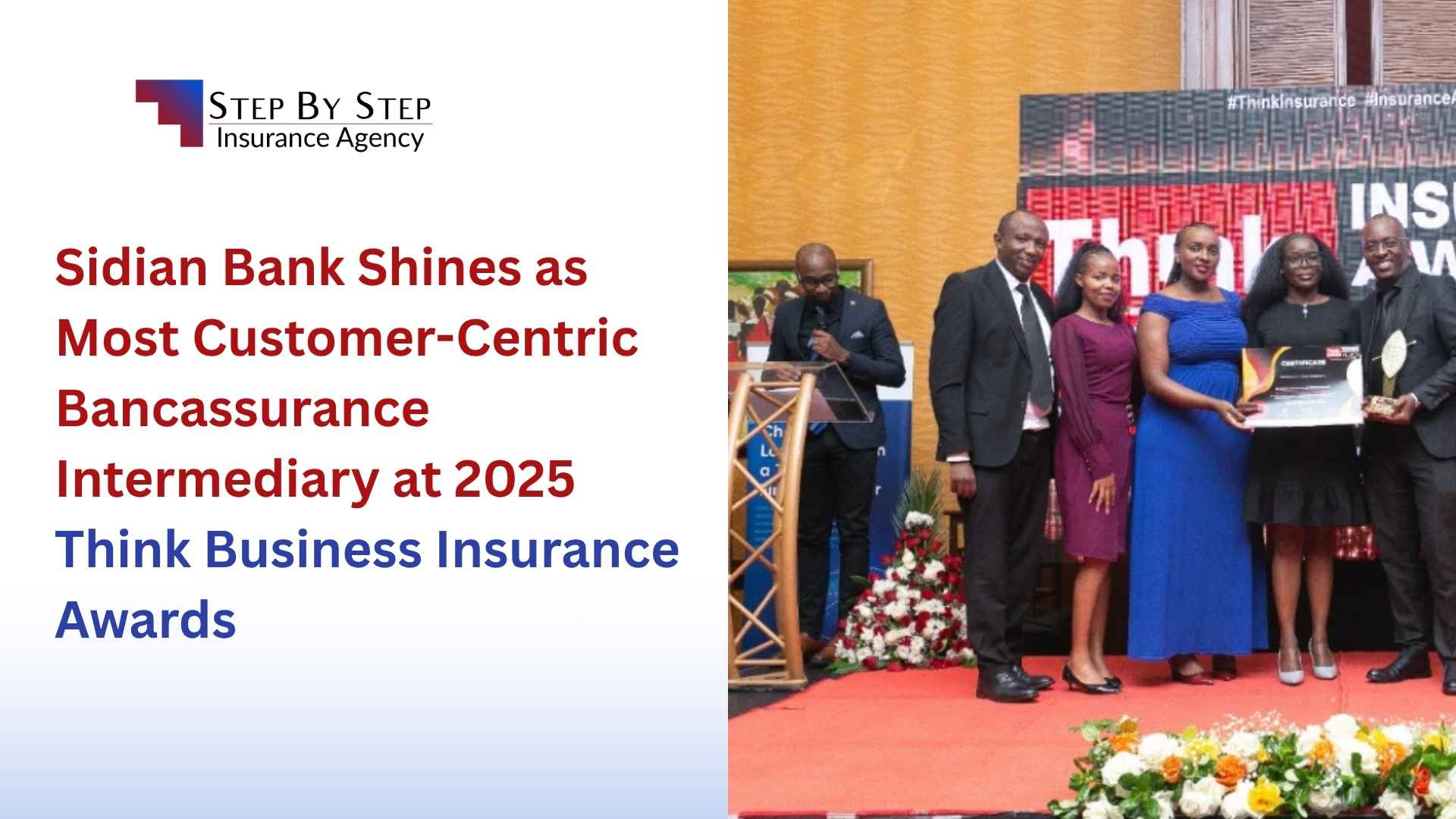
In an industry often perceived as complex and sometimes impersonal, Sidian Bancassurance Intermediary Limited is setting a new standard for customer experience in Kenya’s insurance sector. At the 2025 Think Business Insurance Awards held in Nairobi’s Serena Hotel, Sidian Bancassurance was honored with the prestigious title of Most Customer-Centric Bancassurance Intermediary. This accolade reflects more than just industry applause; it signifies the company’s ongoing commitment to designing insurance solutions that truly serve the needs of everyday Kenyans, especially entrepreneurs and small business owners.
Key Takeaway
Sidian Bancassurance has been recognized as Kenya’s Most Customer-Centric Bancassurance Intermediary at the 2025 Think Business Insurance Awards, highlighting their innovative approach to making insurance accessible and relevant for individuals and SMEs across Kenya. This award, along with runner-up positions in key categories for both life and non-life products, demonstrates their well-rounded service excellence and commitment to customer-focused solutions.
Connect with insurance professionals and enthusiasts to discuss the latest trends, news, and insights in Kenya’s insurance industry. Get exclusive updates and expert perspectives!
Prioritizing Customer Needs in a Competitive Market
Sidian Bancassurance Intermediary Limited, the insurance arm of Sidian Bank, stands out because it approaches insurance from the customer’s perspective rather than the other way around. In a market where many players focus heavily on corporate clients or more established market segments, Sidian targets a diverse customer base, with particular emphasis on individuals and SMEs who often face barriers to accessing affordable and comprehensive insurance.
The strategy is simple yet effective: develop scalable, flexible insurance products that are straightforward to understand and easy to purchase. The company leverages digital platforms and a strong partner ecosystem to make insurance more accessible beyond traditional urban centers. This approach directly addresses Kenya’s relatively low insurance penetration rate by expanding reach to previously underserved populations.
Accolades That Speak to Quality and Innovation
The Think Business Insurance Awards are among the most respected recognitions in Kenya’s insurance sector, spotlighting companies that demonstrate innovation, high performance, and exemplary service delivery.
At the 2025 ceremony, Sidian Bancassurance’s awards included the following:
Award Category
Achievement
Most Customer-Centric Bancassurance Intermediary
Winner
Best in Non-Life & Non-Embedded Products
1st Runner-Up
Best in Life Products
1st Runner-Up
Overall Best Bancassurance Intermediary
2nd Runner-Up
This impressive collection of awards underscores Sidian’s ability to excel across multiple insurance disciplines, a rare achievement that speaks volumes about their professionalism and customer engagement.
Leadership Driving Transformational Growth
The success of Sidian Bancassurance is no accident; it is the result of visionary leadership that understands Kenya’s unique insurance landscape and customer expectations.
CEO of Sidian Bank, Chege Thumbi, emphasized that these awards validate the bank’s mission to make insurance affordable and accessible. He said, “We are committed to making insurance accessible and affordable, thereby enhancing the financial well-being of our customers across the country. These awards reflect the tangible impact of our efforts and fuel our drive to innovate further.”
Driving Financial Inclusion through Insurance Innovation
Insurance penetration in Kenya still faces challenges, with a relatively small proportion of the population covered despite the rising importance of risk management at personal and business levels. Sidian Bancassurance is tackling this head-on by combining product innovation with strategic partnerships that extend insurance access across regions and demographics.
Their insurance offerings are uniquely designed with Kenya’s entrepreneurial ecosystem in mind. This includes packages customized for small businesses, which often face unpredictable risks but don’t qualify easily for traditional insurance coverage. Sidian’s scalable, flexible insurance products meet this need, helping entrepreneurs safeguard their assets and livelihoods.
Sidian Bank: A Growing Force in Kenya’s Financial Sector
Sidian Bank itself has been steadily growing its footprint, becoming synonymous with business banking that closely aligns with Kenya’s SME sector. Its bancassurance arm benefits from this synergy, offering insurance products alongside the bank’s core financial services such as trade finance, asset financing, and digital banking.
What This Means for Clients and the Industry
For customers, Sidian Bancassurance’s recognition as Kenya’s most customer-centric intermediary is more than an award—it is a promise of quality service that puts their needs first. Clients can expect insurance products that are easy to understand, relevant to their situation, and backed by a team committed to supporting them.
Industry Implications
The bank’s innovative approach in combining banking and insurance creates an ecosystem where financial stability is strengthened at multiple levels. Small business owners, for example, can manage cash flow, credit, and risk protection through a seamless, trusted partner.
The Road Ahead: Sustaining Customer-Centric Innovation
Looking forward, Sidian Bancassurance plans to build on this success by continually evolving its product suite and service experience. As Kenya’s economy becomes more dynamic and customers more digitally savvy, meeting expectations requires agility and continuous improvement.
Future Initiatives
The bancassurance unit is also poised to deepen partnerships with insurers and fintechs to co-create products that address emerging risks—like climate-related damages, business disruptions, and health uncertainties—while keeping premiums affordable.
Conclusion
Sidian Bancassurance Intermediary Limited’s sweep of awards at the 2025 Think Business Insurance Awards is a powerful testament to the company’s commitment to customer-centricity, innovation, and accessibility. By focusing on personalized, affordable insurance solutions designed for individuals and SMEs, Sidian is helping bridge a significant gap in Kenya’s financial services landscape.
As the bank continues its mission to empower Kenya’s entrepreneurial class with reliable risk protection, its recent recognition serves both as an achievement and a motivator to raise the bar even higher.
For anyone looking to secure their personal or business future with insurance products designed around their unique needs, Sidian Bancassurance stands out as a trusted partner making insurance simpler, fairer, and more inclusive in Kenya.
Equity Life Assurance Kenya: 2025 Life Insurance Company of the Year
Equity Life Assurance Kenya Limited, commonly known as ELAK, has achieved a milestone that speaks volumes about the future of insurance in the region. Named Life Insurance Company of the Year at the prestigious 15th Think Business Insurance Awards in 2025, ELAK’s journey since its launch in 2022 has been nothing short of extraordinary. This blog post takes a deep dive into what makes ELAK’s success story so compelling and the broader implications for Kenya’s insurance landscape.
Key Takeaways
ELAK achieved remarkable growth in just 3 years, issuing over 15 million policies and capturing 9% market share
The company won multiple awards including Life Insurance Company of the Year and Best Claim Settlement
80% of ELAK’s policies are sold through digital channels, increasing accessibility
ELAK focuses on inclusive products for informal sector workers, women entrepreneurs, and rural households
Equity Bancassurance Intermediary Limited also won several awards for bancassurance excellence
Launching a life insurance business and climbing to the top ranks within three years is a feat few can boast. ELAK started its operations in March 2022 with a clear vision—to offer insurance products that are innovative, accessible, and deeply customer-centric. By 2025, the company has issued over 15 million policies and commands a healthy 9% share of the life insurance market, positioning itself as the fourth largest insurer in Kenya by Gross Written Premiums.
What stands out is not just the volume of policies but the manner in which ELAK has grown. The company’s focus on digital delivery channels has revolutionized policy distribution, with approximately 80% of policies sold digitally. This means easier access for customers, faster issuance, and a more user-friendly experience that resonates with Kenya’s increasingly tech-savvy population.
Winning Big at the 2025 Think Business Insurance Awards
The Think Business Insurance Awards are recognized as Kenya’s foremost industry accolade, showcasing innovation, operational excellence, and strategic partnerships. ELAK’s sweep of multiple categories underlines its comprehensive strength:
Life Insurance Company of the Year
This top award acknowledges ELAK’s overall industry leadership, service quality, and growth trajectory.
Best Claim Settlement Award, Life Insurance
Claims handling is the critical moment of truth for insurers. ELAK’s efficient, empathetic, and speedy claims process reassures customers that their protection promises translate to real-world support.
Most Customer Centric Underwriter, Life Insurance
Reflecting an unwavering focus on client needs, ELAK excels in creating products and services tailored to diverse customer profiles.
Best Insurance Company in Ecosystem Partnerships and Cross-Industry Collaboration
This award recognizes ELAK’s participation in the broader insurance and financial ecosystem, leveraging partnerships that drive innovation and access.
In addition, ELAK captured runner-up positions for Best Insurance Company in Technology Application and Best Insurance Company in Sustainable CSR, signaling its strong commitment to embracing responsible business practices and leveraging technology to enhance service delivery.
The Equity Group’s reach in insurance is not limited to ELAK alone. Equity Bancassurance Intermediary Limited (EBIL), the Group’s arm specialized in bancassurance services, shone brightly by winning several critical awards:
Best Bancassurance Intermediary
Best Bancassurance Intermediary in Life Products
Risk Management Excellence
These accolades highlight the Group’s growing influence and robust presence across both life and non-life insurance markets. Bancassurance, which refers to the distribution of insurance products through bank channels, has been a key growth driver and allows Equity to leverage its extensive banking customer base to extend insurance coverage effectively.
Despite these achievements, Kenya’s insurance penetration remains low—in the region of 2.4% of the population. ELAK’s rapid expansion aims to address this gap by innovating on multiple fronts.
Digital Transformation stands out. By channeling the majority of their distribution through mobile and online platforms, ELAK has dismantled barriers typically associated with insurance, such as the need for physical branch visits and complicated paperwork.
Product Innovation is another pillar. ELAK focuses on developing inclusive products that fit the realities of Kenya’s diverse populations—including informal sector workers, women entrepreneurs, and rural households. This means creating affordable insurance offerings with flexible premiums and accessible terms.
Strategic Partnerships are critical too. As underscored by their award for ecosystem partnerships, ELAK collaborates with fintech firms, various industry players, and government initiatives linked to Kenya’s Vision 2030. Such collaborations amplify reach and support innovative service delivery models tailored to the evolving landscape.
The Broader Impact on Kenya’s Insurance Ecosystem
ELAK’s achievements transcend company milestones—they reflect a transformative moment for Kenya’s insurance industry.
The 2025 Think Business Insurance Awards focused on the theme of Ecosystem Partnerships and Cross-Industry Collaborations: Shaping Kenya’s Insurance Future. This highlights how modern insurance success relies not only on internal capabilities but on forging relationships that foster innovation and accessibility.
Insurance in Kenya has historically been underpenetrated due to challenges like mistrust, low awareness, and affordability issues. ELAK’s model exemplifies how breaking these barriers through customer-centric innovation, digital-first strategies, and collaboration can reshape the insurance narrative.
Moreover, ELAK’s commitment to sustainability and responsible corporate behavior fits in with global trends emphasizing environmental, social, and governance (ESG) factors. Being a runner-up in sustainable CSR demonstrates how insurance providers aren’t just financial risk managers but can also be agents of positive social impact.
Leadership that Drives Transformation
Angela Okinda, Managing Director and Principal Officer at ELAK, has been a visible champion of the company’s customer-first philosophy. Her leadership underscores a culture that places empathy, innovation, and speed at the center of daily operations. Okinda has spoken passionately about the importance of understanding customer needs deeply, ensuring transparency, and responding promptly, especially during claims settlements.
At a broader Group level, Equity’s CEO, Dr. James Mwangi, reiterates how insurance is a crucial element in the Group’s vision for financial inclusion and wealth creation across East Africa. The bank and insurance arms working synergistically offer holistic financial solutions to customers, from savings and credit to insurance coverages that shield against life’s uncertainties.
What This Means for Customers and the Market
For current and prospective insurance buyers, ELAK’s market rise signals:
More accessible, affordable insurance options designed to meet varied life stages and income levels.
Reliable claims processing that instills confidence.
Enhanced service experiences facilitated by technology, reducing friction and increasing convenience.
Sustained product innovation reflecting real customer feedback and emerging financial risks.
For the market, ELAK’s success catalyzes healthy competition, pushing other players to innovate and deepen customer engagement. This healthy dynamic is essential for increasing insurance uptake, which in turn fosters financial resilience across households and businesses in Kenya.
In Summary: Equity Life Assurance’s Bold Leap Forward
The story of Equity Life Assurance Kenya Limited is a fresh chapter in the narrative of insurance in Africa. From a bold launch in 2022 to becoming 2025’s Life Insurance Company of the Year, ELAK has demonstrated that rapid growth is achievable with the right combination of customer insight, technological adoption, and strategic partnerships.
Equity Bancassurance Intermediary Limited’s multiple awards complement this narrative, proving the power of integrated financial services.
For Kenya, this represents a shift towards a more inclusive, efficient, and technology-driven insurance sector, critical for supporting the country’s Vision 2030 development ambitions and financial inclusion goals.
As ELAK and its affiliates continue this trajectory, the future of insurance in Kenya looks promising—not just as a risk mitigation tool but as a critical enabler of wealth creation and improved livelihoods.
If you are interested in securing your financial future with one of Kenya’s most trusted and innovative insurance providers, now is the time to explore what Equity Life Assurance Kenya offers. Their award-winning customer focus and innovative products put you in great hands.
Pan-African Insurance Webinar Master Series 2025: Innovate. Adapt. Insure the Future
The insurance landscape in Africa is undergoing a remarkable transformation, driven by rapid technological advances, evolving regulatory frameworks, and the urgent need to address emerging risks such as climate change and political instability. Recognizing the critical importance of fostering collaboration and innovation across the continent’s insurance sector, Insurance Biz Africa has launched the Pan-African Insurance Webinar Master Series for 2025.
This ambitious eight-part series aims to bring together industry leaders, regulators, and innovators to explore the trends and challenges reshaping insurance in Africa, while sparking bold conversations and actionable insights that can strengthen the sector’s resilience and growth.
Key Takeaway
This eight-part webinar series, themed “Innovate. Adapt. Insure the Future,” is set to address critical challenges and opportunities in Africa’s insurance sector, fostering collaboration and innovation to build resilience and drive growth across the continent.
Setting the Stage: Why This Webinar Series Matters Now
Africa’s insurance industry is at a pivotal crossroads. On one hand, there is enormous potential for growth given the continent’s expanding middle class, increasing digitization, and rising awareness of insurance benefits. On the other hand, insurers face complex challenges such as political unrest, cyber threats, climate risks, and fragmented regulatory environments. The Pan-African Insurance Webinar Series, themed “Innovate. Adapt. Insure the Future,” is designed to address these realities head-on by providing a platform for knowledge sharing and collaboration that transcends borders.
Kwanele Sibanda, the Founding Editor of Insurance Biz Africa and Managing Director of New Africa Business News Services, highlights the urgency: “This is a pivotal moment for the insurance industry. The series will equip professionals and regulators to navigate volatility with confidence and ignite long-lasting conversations around critical insurance and reinsurance topics.” The series is not just about education; it is about sparking innovation that ensures insurance remains a pillar of economic resilience across Africa.
A Deep Dive into the Series Structure and Themes
The series consists of eight two-hour webinars, each focusing on a pressing issue or opportunity within the insurance sector. These sessions are carefully curated to balance technical insights, case studies, and policy discussions, making them highly relevant for a diverse audience including insurers, brokers, reinsurers, regulators, and service providers.
The topics range from the immediate—such as insuring against civil unrest and cybersecurity threats—to the futuristic, including the transformative potential of artificial intelligence (AI) and sustainable insurance practices. Each webinar features expert panels, live Q&A sessions, and actionable takeaways designed to empower participants to implement new ideas and strategies in their organizations.
Exploring the Objectives: What the Series Aims to Achieve
The core objectives of the webinar series are multifaceted:
Spotlight emerging trends: From AI-driven underwriting to ESG (Environmental, Social, and Governance) integration, the series highlights innovations that are reshaping how insurance products are designed and delivered in Africa.
Address regulatory shifts: With Africa’s diverse regulatory landscape, understanding changes and harmonizing approaches is vital. The series provides a forum where regulators and industry players can discuss evolving policies and compliance challenges.
Promote cross-border collaboration: Insurance risks and opportunities often transcend national borders. The series fosters dialogue that encourages partnerships and knowledge exchange across countries.
Ignite innovation: By showcasing case studies and new technologies, the series aims to inspire insurers to rethink traditional models and embrace digital transformation.
Build resilience: In a continent vulnerable to climate change, political instability, and cyber threats, the series equips stakeholders with strategies to manage volatility and protect economic growth.
Spotlight on Key Topics: What Participants Will Learn
Each webinar tackles a critical theme that reflects both current realities and future directions for African insurance:
Insuring Against Civil Unrest
The inaugural session draws lessons from South Africa’s July 2021 riots, featuring Sasria, the country’s unique insurer for riots and civil unrest. This session is particularly timely given ongoing political tensions in countries like Kenya, Mali, and Libya. It explores how insurers and reinsurers can adapt products and risk models to better cover such socio-political risks.
Cybersecurity and Systemic Risk
As Africa’s digital economy grows, so do cyber threats. This webinar examines insurance solutions for large-scale cyber events that can cripple entire economies, discussing how to build systemic resilience through innovative risk transfer mechanisms.
The Future of Underwriting
AI, data analytics, and automation are revolutionizing underwriting by enhancing precision and speeding up decision-making. This session explores how African insurers can leverage these technologies to improve efficiency and customer experience.
Bridging the Protection Gap
Many African markets remain underinsured, especially among low-income and rural populations. This webinar highlights innovative products and partnerships that extend insurance coverage to underserved communities, addressing financial inclusion.
ESG and Sustainable Insurance
Moving beyond regulatory compliance, insurers are increasingly integrating ESG principles to drive long-term profitability and social impact. This session discusses how sustainable insurance practices can become a competitive advantage.
Index Insurance and Alternative Risk Transfer
This webinar explores scalable, transparent models like index insurance that protect communities exposed to systemic risks such as droughts and floods, offering new ways to manage climate-related vulnerabilities.
Navigating AI and Digital Disruption in Life Insurance
Life insurance is undergoing digital transformation, but it also raises new regulatory and consumer protection challenges. This session balances the rewards and risks of AI adoption in life insurance.
Climate Change and Capital Strain
Climate-driven losses are putting pressure on insurers’ capital models. This webinar examines strategies to manage volatility and adapt to a new risk era.
Bonus Session on Insurtech and Distribution
This extra session explores how emerging technologies are reshaping customer engagement, sales, and product design, highlighting the future of insurance distribution in Africa.
The Expected Impact: Building a Stronger African Insurance Ecosystem
By bringing together diverse stakeholders from across the continent, the Pan-African Insurance Webinar Series aims to create a ripple effect of knowledge, innovation, and collaboration. The insights shared will help insurers and regulators:
Harmonize regulatory frameworks to facilitate cross-border insurance activities.
Develop innovative products tailored to Africa’s unique risks and market needs.
Enhance the capacity of professionals to manage emerging risks effectively.
Foster partnerships that leverage technology and data for better risk management.
Support sustainable growth by integrating ESG principles into insurance strategies.
Ultimately, the series is designed to strengthen the insurance ecosystem as a whole, making it more resilient, inclusive, and forward-looking.
Why This Series Is a Must-Attend for African Insurance Stakeholders
The Pan-African Insurance Webinar Series comes at a time when the insurance industry must evolve rapidly to keep pace with changing risk landscapes and customer expectations. For insurers, brokers, reinsurers, regulators, and service providers, participating in this series offers:
Access to cutting-edge knowledge and global best practices tailored to the African context.
Opportunities to engage directly with industry leaders, innovators, and policymakers.
Practical insights that can be applied immediately to improve products, services, and regulatory compliance.
A platform to showcase leadership and commitment to innovation and collaboration by sponsoring or partnering with the series.
The series is more than just a learning opportunity; it is a call to action for the entire African insurance community to come together and shape the future of the industry.
Conclusion: Insuring Africa’s Future Through Innovation and Collaboration
Insurance Biz Africa’s Pan-African Insurance Webinar Master Series is a landmark initiative that captures the spirit of innovation, adaptation, and resilience essential for Africa’s insurance sector today. By focusing on the most pressing risks and opportunities—from civil unrest and cyber threats to AI and climate change—the series provides a comprehensive roadmap for insurers and regulators to navigate an increasingly complex environment.
As the continent faces unprecedented challenges and opportunities, this webinar series offers a unique space for knowledge exchange, collaboration, and bold thinking. It is an invitation to all stakeholders to engage deeply, learn continuously, and innovate boldly to ensure that insurance remains a cornerstone of Africa’s economic development and social protection.
For those involved in the African insurance industry, registering for this series is not just an educational investment—it is a strategic imperative to stay ahead in a rapidly evolving market and to contribute meaningfully to the future of insurance on the continent.