Vince Oremo is a talented web designer and digital marketer from Kenya, who studied journalism at the Technical University of Kenya. With over six years of experience, he specializes in brand identity, graphic design, web development, SEO, and social media management. Oremo focuses on creating tailored solutions that reflect each client's unique story, enhancing their online presence and driving business growth. His collaborative approach ensures meaningful connections between brands and their audiences, resulting in increased engagement and visibility. You can explore his work at vinceoremo.com.
Why Every DJI Owner in Kenya is Racing to Get Insured
Picture this: Your DJI Mavic 3 captures Kilimanjaro’s golden sunrise—a shot that could land a National Geographic feature. Suddenly, a wind shear slams it into a lodge balcony. Shattered glass. Guest injuries. A KES 3 million lawsuit.
This is Kenya’s drone reality in 2025. Without insurance, you pay for everything.
The Kenyan Drone Pilot’s Nightmare
🔥 KCAA Fines: Up to KES 500,000 for uninsured flights
💸 Liability Bombshells: Medical bills + property damage = millions in losses
🚫 Business Death: License revocation = grounded operations
🛑 DJI Graveyard: No hull coverage? Say goodbye to your KES 800,000 drone
“65% of drone claims in Kenya involve 3rd-party damage” – KCAA Safety Report 2023
Your DJI’s Legal Lifeline: Nationwide Coverage, Lightning-Fast Approval
KCAA-Compliant in 3 Simple Steps
1. What You GET with DJI-Specific Insurance:
Coverage Type
Protects You From
Why DJI Owners Need It
Third-Party Liability
Injury/property lawsuits
KCAA’s KES 5M minimum requirement
DJI Hull Insurance
Crashes, water damage, fires
Repair your Mavic/Phantom without cash pain
Theft Coverage
Stolen drones & equipment
Nairobi/Mombasa theft hotspots
Payload Protection
Ruined cameras & sensors
Save your Zenmuse X7 investment
2. How Fast is “Fast Approval”?
✅ Online Quote: 2 minutes (no forms)
✅ Policy Issued: As soon as same-day
✅ KCAA Compliance Certificate: Digital copy in 24hrs
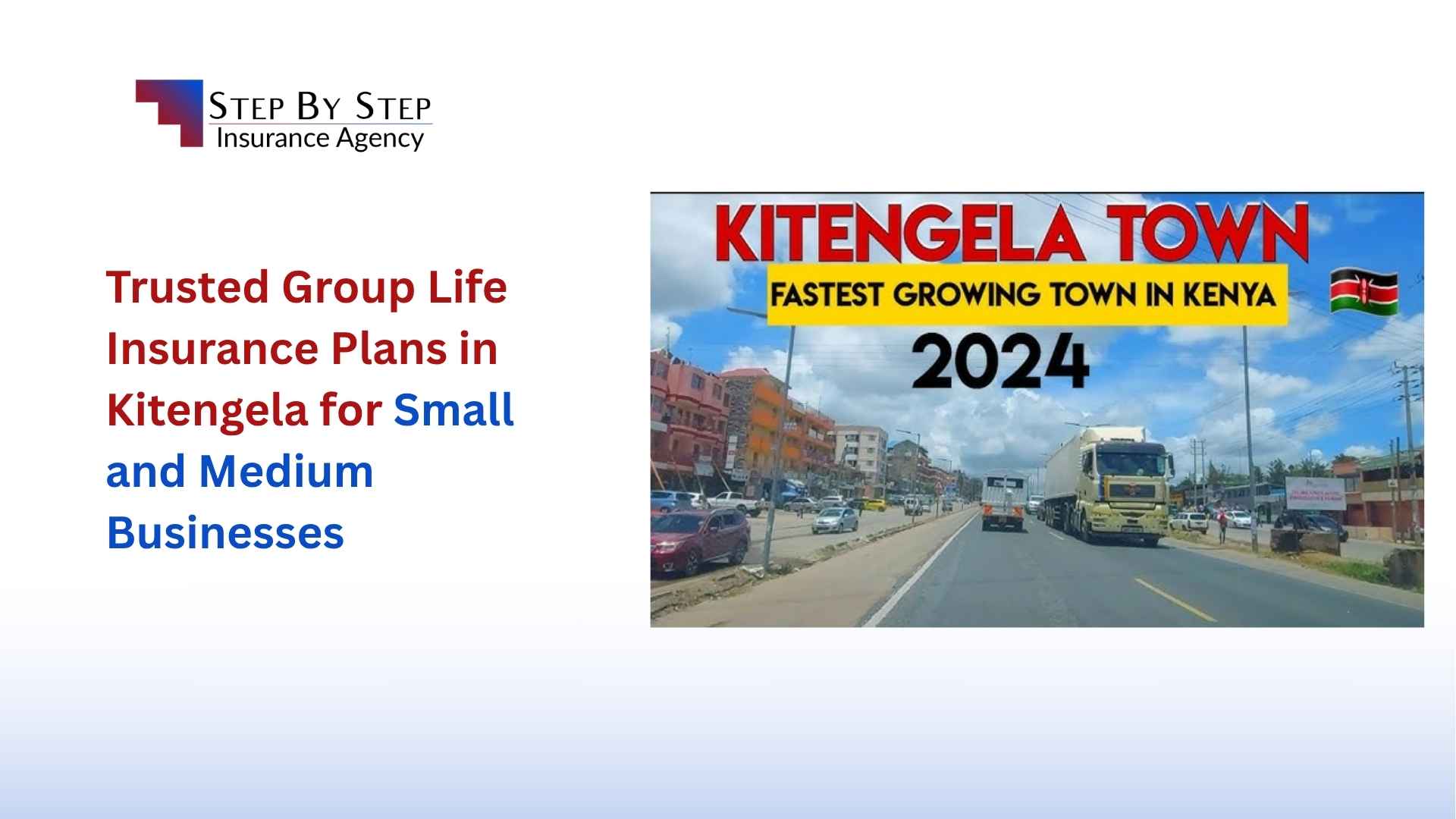
Trusted Group Life Insurance Plans in Kitengela for Small and Medium Businesses
As Kitengela rapidly evolves into a hub for entrepreneurs and SMEs, small and medium-sized businesses are under growing pressure to attract, retain, and protect their workforce. One of the most effective and affordable ways to do that is through group life insurance.
At Step by Step Insurance, we understand the needs of businesses in Kitengela and across Kajiado County. That’s why we offer trusted, flexible, and scalable group life insurance plans tailored to your team size and budget.
Key Takeaways
Group life insurance is an affordable solution for employee protection
Enhances employee loyalty and job satisfaction
Position your business as a caring, responsible employer
Group life insurance is a policy taken out by a business or organization to cover its employees. In the unfortunate event that a team member passes away, the policy pays a lump sum benefit to their family or next of kin.
Benefits for Employers
Benefits for Employees
Enhances employee loyalty and job satisfaction
Peace of mind for families
Demonstrates care and responsibility
Access to affordable life cover
May qualify for tax benefits
No medical exams required for basic coverage
Why Kitengela SMEs Should Consider Group Life Insurance
Kitengela is booming—with new businesses, factories, SACCOs, and tech start-ups emerging every month. However, competition for skilled labor is fierce, and offering employee benefits is now a major differentiator.
Providing group life insurance:
Positions your business as a caring, responsible employer
Helps attract and retain top talent
Provides support to families during difficult times
Builds trust with your team and within the local community
How to Choose a Trusted Insurance Provider in Kitengela
Not all insurance providers are created equal. When selecting a group life insurance partner, consider the following:
Are they licensed and regulated by IRA Kenya?
Do they have experience with SMEs and group plans?
Do they offer local support in Kitengela?
How quick is their claims process?
With Step by Step Insurance, you get the advantage of working with a locally-based, trusted broker who partners with top-tier insurers like Britam, Jubilee, ICEA Lion, and more.
Why Choose Step by Step Insurance in Kitengela
As a leading insurance broker in Kitengela, we specialize in serving small and medium businesses. Here’s what sets us apart:
Personalized advice and needs analysis
On-site consultations at your business premises
Claims support when you need it most
Access to affordable group life insurance plans from leading insurers
Fast, paperless quotes and enrollment
“We believe in protecting the people who power your business.”
How to Get Started
Getting covered is fast and easy:
1. Request a consultation with one of our local insurance advisors
Offering group life insurance in Kitengela is more than a business decision—it’s a way to support your employees, improve morale, and stand out in a competitive market. Whether you’re a growing SME or an established organization, Step by Step Insurance is here to guide you every step of the way.
Secure your team’s future. Start building a safer workplace today.
7 Essential Things to Know About Car Insurance in Kitengela | Step by Step Insurance
Searching for trusted car insurance in Kitengela, Kajiado? Whether you’re commuting daily to Nairobi, running a business vehicle, or simply protecting your investment, the right car insurance plan matters—especially in a high-traffic area like Kitengela.
As the town continues to grow, so do the risks for drivers. From busy highways like Namanga Road to unpredictable boda boda traffic, having the right level of car insurance coverage is essential.
Here are 7 important things every Kitengela driver should know before buying or renewing a policy.
Key Takeaways
Third-party insurance is legally required for all vehicles in Kenya
Kitengela’s unique driving risks may require comprehensive coverage
Local brokers provide personalized advice and faster claims support
Multiple factors affect your premium including vehicle type and security features
Under the Motor Vehicle Insurance Act, all Kenyan drivers must have at least Third-Party insurance to operate legally. This covers damage or injury to others but doesn’t protect your own vehicle.
In Kitengela, police checks on roads like Namanga Road and Acacia are frequent. Driving without valid insurance could result in fines or your car being impounded.
Avoid penalties — make sure your insurance is always up to date.
2
Kitengela Presents Unique Driving Risks
Kitengela’s rapid development brings increased vehicle congestion, unregulated boda bodas, and busy intersections. These factors contribute to:
Higher accident rates
Risk of car theft or break-ins
Increased wear and tear on vehicles
Insurers factor in local risk when calculating premiums. If you regularly drive within Kitengela or to Nairobi, you’re exposed to more incidents and may benefit from broader coverage.
3
Know the 3 Main Types of Car Insurance in Kenya
Before buying a policy, it’s important to understand your options:
Type
Covers
Best For
Third-Party Only
Damage or injury to others (required by law)
Older vehicles with low market value
Third-Party Fire & Theft
Includes fire damage and theft of your own car
Mid-range vehicles in moderate-risk areas
Comprehensive Cover
Includes theft, fire, damage to your vehicle, and others
New or high-value vehicles in high-risk areas like Kitengela
Pro Tip: Comprehensive coverage is recommended for new or high-value vehicles operating in busy towns like Kitengela.
4
Premiums Are Affected by More Than Location
Insurance companies look at multiple factors when calculating your premium:
Vehicle type, model, and age
Vehicle usage (private or commercial)
Driver’s claims history
Security features (alarm, tracker, etc.)
For example, frequent commuting between Kitengela and Nairobi may result in a higher risk profile, while installing anti-theft devices could reduce your costs.
5
A Local Broker Makes the Process Easier
Why buy blindly online when you can speak to a local expert?
Working with a Kitengela-based broker like Step by Step Insurance offers:
Personalized advice based on your needs
Help choosing the most affordable and trusted insurer
Car insurance in Kitengela is more than just a legal requirement—it’s your defense against financial loss. Whether you drive daily or occasionally, getting the right coverage from a trusted local provider can save you money and stress.
Ready to Get Started?
✔️ Talk to a local insurance expert
✔️ Get the best rates from top Kenyan insurers
✔️ Support with claims, quotes, and renewals—all in Kitengela
Kenya’s New Referral Hospital Insurance & Cash Policy – Analysis
As of July 25, 2025, referral hospitals in Kenya began enforcing a new policy that requires patients to either present valid health insurance or pay cash upfront before receiving treatment. This policy marks a significant shift in the operational protocols of both national and county referral hospitals, which serve as critical healthcare access points for millions of Kenyans. The policy aims to enhance financial sustainability and reduce the vast accumulation of unpaid medical bills in the public health system.
However, it also raises serious concerns regarding access to healthcare for millions of uninsured or underinsured Kenyans, particularly vulnerable populations who may be unable to comply with these payment requirements.
Referral hospitals are the highest tier in Kenya’s public healthcare structure, providing specialized and complex services (Level 5 and Level 6 hospitals). They handle referrals from lower-level health facilities and are essential for managing serious health conditions across the country’s 47 counties. The enforcement of the insurance or cash upfront policy directly impacts how these facilities admit and treat patients, reshaping the landscape of healthcare accessibility nationwide.
Key Takeaways
New policy requires insurance proof or cash payment before treatment at referral hospitals
22 million Kenyans now covered under SHA, but many remain uninsured
Policy aims to improve hospital finances but risks excluding vulnerable populations
Implementation affects both national and county referral hospitals
Emergency cases may face treatment delays or denials
Part of broader shift toward Universal Health Coverage through SHIF
Policy Description and Implementation: What Does the New Policy Entail?
The new directive mandates that patients seeking care at Kenya’s referral hospitals must show evidence of active health insurance coverage or make an immediate cash payment before accessing medical services. This policy affects both national referral hospitals, such as Kenyatta National Hospital, and county referral hospitals across the country, which are classified as Level 5 and Level 6 health facilities providing advanced medical services.
Rationale for the Policy
Financial Sustainability: Referral hospitals have faced chronic underfunding and high rates of unpaid patient bills that threaten their operational capacity.
Reducing Accumulated Debts: The government and hospital management argue that requiring payment or insurance upfront will curb the growing backlog of unpaid medical fees.
Encouraging Health Insurance Uptake: The policy also intends to promote insurance enrollment, particularly under Kenya’s new Social Health Insurance Fund (SHIF), which aims to increase coverage nationwide.
This policy reflects a broader shift in healthcare financing in Kenya, where universal health coverage (UHC) goals hinge partly on increasing formal health insurance uptake across the population. For more details on SHIF packages, see our comprehensive guide to SHA packages.
Impact on Patients and Healthcare Access: Barriers for the Vulnerable
While the policy’s financial goals are clear, its practical implications for patients—especially the uninsured and underinsured—are stark.
Exclusion of Millions
Kenya currently has about 22 million registered members under the Social Health Authority (SHA), a dramatic increase from 8 million under the old National Hospital Insurance Fund (NHIF). However, a significant portion of the population remains uninsured or only partially insured.
Many Kenyans, especially in rural and low-income urban areas, depend on out-of-pocket payments for medical care, and the requirement to pay upfront excludes those without readily available funds.
Emergency cases, which often arrive without prior insurance or cash, face delays or outright denial of critical treatment at referral hospitals. Learn how to navigate the Afya Yangu registration process to secure coverage.
Challenges for Vulnerable Groups
Low-income families, informal sector workers, and marginalized communities are disproportionately affected.
Patients requiring urgent and long-term care face a dilemma: delay treatment while securing funds or forgo care entirely, potentially leading to worsened health outcomes.
The policy risks worsening healthcare disparities and may increase preventable morbidity and mortality if not accompanied by adequate safety nets or emergency exceptions.
Reactions and Concerns: Voices from the Public and Health Sector
The policy has been met with widespread concern and criticism:
Patient Advocacy Groups warn that enforcing payment or proof of insurance upfront may violate the right to healthcare and lead to increased suffering among the poor.
Healthcare Workers have expressed worries about ethical dilemmas when patients in need are turned away for financial reasons.
Some government officials emphasize the necessity of fiscal discipline and argue the policy will stabilize healthcare financing.
Civil society organizations urge the government to balance revenue generation with equitable access and caution against policies that create barriers to care.
An internal memo leaked to the press highlighted the operational challenges hospitals face, but also detailed the severe impact on patients turned away.
Relation to Universal Health Coverage and Social Health Insurance Fund (SHIF)
Kenya’s commitment to Universal Health Coverage (UHC) is a cornerstone of its health policy framework, with the Social Health Insurance Fund (SHIF) launched to increase inclusion and affordability of healthcare services.
The SHIF is aimed at widening insurance coverage, with over 22 million Kenyans already registered under the scheme as of mid-2025. The Fund is designed to subsidize healthcare costs at empaneled facilities, including referral hospitals, and promote prepayment over out-of-pocket expenses.
However, gaps remain, including:
Uneven enrollment across regions and socioeconomic groups.
Delays and inefficiencies in claims processing and reimbursement to facilities.
Lack of full insurance coverage for all essential services and populations.
The new upfront payment policy reflects efforts to integrate hospital operations into the SHIF framework more strictly but risks undermining the UHC philosophy if not carefully managed to avoid excluding vulnerable populations. For help with registration, see our step-by-step SHIF registration guide.
Contact SHA Directly
The Social Health Authority (SHA) in Kenya can be contacted through various channels:
Toll-free: 0800 720 601
Email: customercare@sha.go.ke or info@sha.go.ke
Headquarters: Ground Floor, SHA Building, Ragati Road, Nairobi City
Financial and Operational Challenges for Referral Hospitals
Kenyan referral hospitals face substantial financial pressures that underpin this policy:
Hospitals operate with tight budgets rarely matching patient service demand.
Large outstanding debts from patients unable to pay or delay payments strain operational cash flow.
Government allocations have increased (e.g., Sh138.1 billion allocated to healthcare in 2025) but remain insufficient to cover all patient care costs fully.
Referral hospitals require stable revenue streams to maintain specialist services, procure medicines, and upgrade infrastructure.
The policy attempts to reduce financial risk and improve hospital financial viability, but without complementary financing reforms and social protection, it may export the burden onto patients.
Potential Solutions and Forward-Looking Measures
To address the access barriers while maintaining hospital financial health, multiple measures are critical:
Expanding Insurance Coverage
Accelerate enrollment into the SHIF, targeting informal sector workers and low-income households.
Promote community-based health insurance schemes that integrate with SHIF.
Implement subsidies or waivers for indigent or vulnerable populations.
Improving Insurance and Claims Systems
Digitize patient registration and claims processing to ensure faster reimbursements.
Introduce direct billing arrangements where hospitals bill insurers directly, reducing upfront payment burdens on patients.
Emergency Care Guarantees
Enact policies mandating emergency treatment irrespective of payment status with subsequent billing arrangements.
Strengthen primary healthcare to reduce burden on referral hospitals.
Stakeholder Collaboration
Facilitate public-private partnerships to bridge funding gaps.
Engage civil society and patient groups in policy design to ensure inclusivity.
Policy Recommendations
Develop social safety nets to protect patients from catastrophic health expenditures.
Increase government healthcare budgets aligned with patient care realities.
Enhance transparency and accountability in hospital financial management.
Conclusion: Balancing Financial Sustainability and Equitable Access
The enforcement of the insurance or cash upfront policy at Kenyan referral hospitals reflects a critical juncture in the country’s health system. It underscores the ongoing struggle to balance financial sustainability of public healthcare facilities with the imperative of equitable and timely access to essential medical services.
While the policy seeks to reduce hospital arrears and promote insurance enrollment under Kenya’s ambitious UHC agenda, it risks excluding millions of vulnerable Kenyans from needed care if safeguards are not implemented. Moving forward requires multisectoral commitment to expanding insurance coverage, streamlining healthcare financing, safeguarding emergency access, and embedding social protections to ensure that no Kenyan is denied care due to inability to pay upfront.
This policy and its implications serve as a litmus test for Kenya’s broader health reforms, highlighting the complex intersection of healthcare financing, social justice, and public health outcomes in a rapidly evolving landscape. For answers to common questions, see our SHA Frequently Asked Questions guide.
Summary Table: Key Aspects of Kenya’s New Referral Hospital Insurance and Cash Policy
Aspect
Details
Policy Effective Date
July 25, 2025
Facilities Affected
National and County Referral Hospitals (Level 5 and 6)
Requirement for Service Access
Valid health insurance coverage or cash payment upfront
DISCLAIMER: WE ARE NOT AFFILIATED WITH SHIF/SHA. WE ARE A PRIVATE INSURANCE COMPANY DEALING WITH VARIOUS INSURANCE PRODUCTS INCLUDING AFFORDABLE MEDICAL INSURANCE THAT CAN BE BUNDLED WITH SHA TO GIVE YOU THE BEST COVERAGE.
FOR SHA INQUIRIES, CONTACT THE SOCIAL HEALTH AUTHORITY DIRECTLY AT THEIR TOLL-FREE NUMBER 0800 720 601 OR EMAIL CUSTOMERCARE@SHA.GO.KE OR INFO@SHA.GO.KE.
Kenya has embarked on a pioneering journey to protect its smallholder farmers from the devastating effects of climate risks through the launch of the first-ever fertiliser insurance program integrated into the National Fertiliser Subsidy program.
Key Takeaways
Kenya’s first fertiliser insurance program integrated with national subsidy
Automatic coverage worth KES 7,000 for registered smallholder farmers
Protection against droughts, floods, pests and climate-related risks
Pilot program launching in 11 counties covering 250,000 farmers
Digital-first approach using satellite data and mobile payments
Partners and Stakeholders: Collaborative Framework for Success
The success of this ambitious fertiliser insurance scheme hinges on the strong partnership between government agencies and private sector organizations with diverse expertise:
Ministry of Agriculture and Livestock Development: Driving policy, regulation, and coordination of the program.
Pula Advisors: Providing insurance design, data analytics, and payout mechanisms.
Bayer Foundation: Supporting resilience measures and advocating for inclusive access.
Lemonade Foundation: Offering innovators’ insights into insurance design.
SOMPO Digital Lab: Contributing digital insurance platforms and risk monitoring.
Etherisc: Blockchain technology for efficient claims processing.
“This is not a policy experiment but an important shift in agricultural support strategy — embedding resilience into every step of the process.”
Key Features of the Scheme: Pioneering Insurance Integrated with Fertiliser Subsidies
This fertiliser insurance scheme is the first of its kind in Kenya with several standout features:
Automatic Enrollment: Farmers registered under KIAMIS automatically receive coverage
KES 7,000 Coverage: Equivalent to two bags of subsidised fertiliser
Comprehensive Protection: Covers droughts, floods, pests and climate-related risks
11-County Pilot: Launching in high-production counties including Makueni, Trans Nzoia and Uasin Gishu
Mobile Payments: Direct compensation to farmers’ mobile wallets
Eligibility and Registration: Leveraging Digital Data to Reach Farmers
A key enabler of this scheme’s efficiency is the use of digital farmer registration and data systems:
Mandatory registration on Kenya Integrated Agriculture Management Information System (KIAMIS)
Digital tracking of farmer demographics, location, and subsidy allocations
Real-time monitoring through satellite imagery and weather sensors
Paperless claims processing and automatic payout triggers
Insurance Benefits: Tangible Protection and Financial Stability for Farmers
The fertiliser insurance program offers numerous tangible benefits to Kenyan farmers:
Immediate financial protection equivalent to two bags of fertiliser
Automatic coverage without enrollment paperwork or additional costs
Timely compensation for climate-related production losses
Direct mobile payments ensuring rapid access to funds
Increased confidence to invest in farm inputs and technologies
Innovation and Digital Transformation: The Heart of Modern Agricultural Insurance
This insurance initiative leverages advanced technology to transform agricultural insurance delivery:
Satellite Monitoring: Real-time assessment of crop health and weather anomalies
AI-Powered Platforms: Pula Insurance Engine and Mavuno Platform for automated processes
Mobile Money Integration: Instant compensation to farmers’ mobile wallets
Blockchain Technology: Transparent and efficient claims processing
Predictive Analytics: Early warning systems for weather-related risks
Resilience and Sectoral Impact: Strengthening Kenya’s Agricultural Backbone
The fertiliser insurance program extends benefits beyond individual farmers to Kenya’s agricultural sector:
Enhanced Climate Resilience: Protection against increasingly unpredictable weather patterns
Stable Farm Incomes: Preventing financial ruin during climate emergencies
National Food Security: Maintaining consistent food production levels
Financial Inclusion: Introducing insurance to previously uninsured farmers
Technology Adoption: Encouraging digital solutions across agriculture
“Agricultural insurance helps farmers cope with unpredictable climate shocks. By embedding insurance into the subsidy program, we ensure it’s affordable and accessible, delivering dignity and predictability to the farmers who feed Kenya.”
Conclusion: Transforming Kenyan Agriculture through Inclusive Fertiliser Insurance
Kenya’s launch of the first fertiliser insurance scheme integrated with the government’s subsidy program marks a transformative step in agricultural policy and climate resilience strategy. By combining affordable insurance, digital innovation, and targeted subsidy delivery, the program provides smallholder farmers with financial security against climate-related risks while encouraging greater investment in productivity-enhancing inputs.
The pilot phase across 11 counties, reaching 250,000 farmers, is setting a foundation for nationwide scale-up and innovation in public-private financing of agricultural resilience. As the program matures, it is poised to become a blueprint for how governments in Africa and other vulnerable regions can protect rural farmers, boost national food security, and embrace technology-driven solutions for sustainable agriculture.
For Kenya’s smallholder farmers, this fertiliser insurance scheme is not just a new product but a lifeline—a tool that will help transform vulnerability into opportunity and sustain livelihoods for generations to come.
Summary Table: Key Points of Kenya’s Fertiliser Insurance Scheme
Aspect
Details
Program Launch
July 2025
Lead Agency
Ministry of Agriculture and Livestock Development
Insurance Value
KES 7,000 (equivalent to two bags of subsidised fertiliser)
Climatic Risks Covered
Drought, floods, pests, other climate shocks
Target Beneficiaries
Smallholder farmers registered under KIAMIS
Pilot Counties
11 key agricultural counties including Makueni, Kisii, Kericho
Number of Farmers Targeted
~250,000 in pilot phase
Partners
Pula Advisors, Bayer Foundation, Lemonade Foundation, SOMPO Digital Lab, Etherisc
Payout Delivery
Mobile money direct payments
Technology
Satellite data, AI, digital farmer platform (Mavuno & Pula Insurance Engine)
Comprehensive Guide to How Much SHA Pays for Inpatient Coverage in Kenya
The Social Health Authority (SHA) in Kenya represents a pivotal advancement in the country’s journey toward universal health coverage (UHC). Launched officially in October 2024, it replaces the National Hospital Insurance Fund (NHIF) with a more inclusive and sustainable healthcare financing framework.
This comprehensive article explores in detail how much SHA pays for inpatient services, including surgical procedures, bed charges, other inpatient care elements, household limits, and patient financial responsibility.
Key Takeaways
SHA provides comprehensive inpatient coverage for surgeries, diagnostics, medications, and supportive therapies
Surgical coverage is based on published tariffs with patients responsible for differences
Daily bed charges are standardized by hospital level with clear coverage rates
Households have an annual limit of 180 inpatient days across all members
Pre-authorization is mandatory for elective surgeries and specialized services
Patients should verify hospital contracts to avoid unexpected expenses
The Social Health Authority (SHA) is a government agency established under the Social Health Insurance Act, 2023. It manages the Social Health Insurance Fund (SHIF) and other related healthcare funds, coordinating how public health insurance payments are allocated to cover health services for Kenyans.
SHA inpatient coverage applies to services received during hospital stays, including surgeries, diagnostic investigations, medications, and supportive therapies. Unlike NHIF, SHA strives to improve transparency, accountability, inclusiveness, and efficiency through a centralized digital platform connected to thousands of contracted health facilities across the country.
Through SHA, Kenyan households gain financial protection against the often catastrophic costs of hospitalization.
Surgical Procedures Coverage
Under SHA, surgical procedures require pre-authorization where applicable, and coverage is based on established tariffs officially published by the Ministry of Health.
SHA pays the authorized amount for surgeries within contracted facilities
If a hospital’s charges exceed this authorized tariff, the patient must cover the difference
The coverage is inclusive of a wide spectrum of surgeries, ranging from minor outpatient procedures, cesarean sections, to major operations such as organ transplants
Patients are encouraged to confirm if their hospital is under SHA contract and to obtain pre-authorization to avoid unexpected bills
For example, if you undergo a cesarean section in a Level 5 hospital that charges KES 150,000 but SHA’s tariff for that procedure is KES 140,000, SHA pays KES 140,000 while you pay the extra KES 10,000.
Bed Charges and Hospital Accommodation
Bed charges are a significant component of inpatient costs. SHA’s coverage depends on the contractual agreements between SHA and healthcare facilities. The tariffs for bed charges vary by hospital level and typically include accommodation, meals, and nursing care.
Hospital Level
SHA Daily Bed Charge Coverage (KES)
Level 4
3,360
Level 5
3,920
Level 6
4,480
Patients must co-pay any charges beyond these contractual tariffs. These rates are standardized to ensure equitable access but may differ slightly by facility depending on specific contracts.
Other Inpatient Services Covered
SHA’s inpatient coverage goes beyond surgeries and bed fees. It broadly covers:
Consultations and visits by doctors and specialists during hospitalization
Laboratory investigations and medical imaging, including X-rays, MRIs, CT scans, and ultrasounds, all within contracted rates
Pharmacological treatments including medications administered inpatient
Supportive services such as physiotherapy, occupational therapy, oxygen supply, and nutritional support
Blood transfusions and related services, including administration of blood products and biologics
Post-discharge follow-up care and prescribed medications, covered as part of the inpatient treatment plan
Coverage extends mainly to Level 4, 5, and 6 hospitals, which are equipped to provide complex inpatient services.
Household and Duration Limits
SHA inpatient benefits come with clear limits, both to protect the fund’s sustainability and manage resources.
Each household is entitled to up to 180 inpatient days per year across all members combined
Specific inpatient categories, such as ICU and High Dependency Unit (HDU) stays, have daily payment limits aligned with hospital levels
For example, ICU daily coverage is KES 3,360 at Level 4 hospitals, KES 3,920 at Level 5, and KES 4,480 at Level 6 hospitals
Beyond the 180-day limit, co-payments or full out-of-pocket payments apply
Special care areas like mental health inpatient treatment, substance abuse rehabilitation, and cancer management may have additional or distinct limitations
By instituting these limits, SHA aims to balance comprehensive care accessibility with fiscal prudence.
Financial Responsibility – What Patients Should Know
Patients should be aware that SHA coverage depends highly on contractual agreements with the hospital and adherence to established tariffs. This entails:
Always confirming if the hospital and specific treatment are covered under SHA contracts
Understanding that pre-authorizations are mandatory for elective surgeries and specialized inpatient services
Preparing for any difference in charges where hospital bills exceed SHA-tariffed amounts
Reviewing inpatient days used to avoid surpassing household limits which would trigger additional charges
The SHA’s move to digitize and centralize claims and payments helps patients track coverage and identify potential shortfalls early.
Examples Demonstrating SHA Coverage Application
Caesarean Section: A patient admitted to a Level 5 hospital for a C-section pays no more than the SHA authorized tariff if the hospital charges align. If the hospital’s fee exceeds the tariff, the excess is out-of-pocket.
ICU Stay: A patient admitted to ICU at a Level 6 hospital gets coverage up to KES 4,480 per day from SHA for a maximum of 180 days annually across the household.
Lab Investigations: Routine and specialized tests done during admission are paid within tariff limits, shielding patients from exorbitant diagnostic costs.
Why Understanding SHA Inpatient Coverage Is Crucial
Knowledge of SHA inpatient coverage is vital to prevent surprise expenses during hospital stays. The system is designed for financial risk protection but works best when patients:
Understand their coverage entitlements
Comply with authorization requirements
Choose SHA-contracted facilities
Monitor utilization of inpatient days
Overall, SHA enhances access to affordable inpatient care but demands active engagement by patients for optimal benefit.
Verifying the date of published content is important to ensure you get the most recent SHA policies, as these may evolve with regulatory changes and funding adjustments.
Headquarters: Ground Floor, SHA Building, Ragati Road, Nairobi City
Other branches include: KNH Hospital, Eastleigh, Westlands, Kangemi, Buruburu, Gikomba, Mama Lucy Kibaki Hospital, Industrial Area, Ruaraka, Kabarnet, Eldama Ravine, Sotik, Bomet, and Bungoma.
Official SHA Resources
SHA Official Website – The primary source for official information, updates, and resources
Conclusion: Navigating the SHA Inpatient Landscape
The Social Health Authority marks a transformative step for Kenya’s healthcare financing, especially for inpatient care. Its structured inpatient coverage system offers considerable financial relief, from surgeries and bed charges to diagnostics and supportive treatments. However, patients need to understand contractual limits, authorization rules, and co-payment responsibilities to avoid unexpected expenses.
For Kenyans and healthcare seekers, being proactive—by verifying hospital contracts, monitoring inpatient day usage, and searching with optimized keywords—can unlock the full potential of SHA benefits.
As Kenya continues to strengthen SHA, stakeholder feedback and evolving regulations promise more refined inpatient coverage, aiming for universal health access without financial hardship.
If you want to stay updated or clarify your inpatient health insurance rights, begin your research with the recommended keywords and official SHA portals. Access to transparent, current information empowers you to make confident health decisions, maximizing the benefits of this landmark reform.
This article uses up-to-date official resources and government publications from 2024-2025, ensuring authoritative and comprehensive coverage of SHA inpatient payments.
important disclaimer
we are not affiliated with shif/sha
We are a private insurance company dealing with various insurance products including affordable medical insurance that can be bundled with SHA to give you the best coverage. For SHA inquiries, contact The Social Health Authority (SHA) in Kenya at their toll-free number: 0800 720 601 or email: customercare@sha.go.ke / info@sha.go.ke.
Top Insurance Companies in Hurlingham, Nairobi | Comprehensive Guide
If you’re looking for reliable insurance providers in Hurlingham, Nairobi, you’re in luck. The area hosts a wide range of insurance companies offering services from medical and life coverage to business and asset protection. This guide breaks down the top insurance companies in Hurlingham, starting with a local favorite — Step by Step Insurance.
Key Takeaways
Central Location: Easily accessible from Kilimani, Yaya Centre, and Upper Hill
Trusted Providers: Home to top-performing, licensed insurance firms
Customer-Centric Service: Many companies offer walk-in consultations, digital platforms, and affordable coverage
Diverse Offerings: Options available for individuals, families, SMEs, and large corporations
Personalized Solutions: Tailored packages to meet specific insurance needs
Hurlingham’s strategic location and concentration of financial services make it an ideal destination for insurance solutions. The area offers:
Central Location
Easily accessible from major Nairobi neighborhoods including Kilimani, Yaya Centre, and Upper Hill. Most insurance offices are located along or near Argwings Kodhek Road.
Trusted Providers
Home to top-performing, licensed insurance firms with strong financial ratings and proven track records in the Kenyan market.
Customer-Centric Service
Many companies offer walk-in consultations, digital platforms, and affordable coverage options for both individuals and businesses.
Top Insurance Companies in Hurlingham, Nairobi
1. Step by Step Insurance
Location: Scripture Union Building, 1st Floor, off Argwings Kodhek Road, behind Shell Petrol Station, Hurlingham
Services: General Insurance, Health, Life, Property, and Custom Packages
Highlights: Known for personalized customer care, flexible packages, and quick claims processing. Specializes in tailored solutions for SMEs and individuals.
Highlights: Leading provider of health insurance, particularly for individuals and SMEs. Known for excellent customer support and efficient claims processing.
Highlights: One of the most accessible co-operative insurers in Kenya with specialized products for the agricultural sector.
Final Thoughts
Whether you’re an individual looking for medical coverage or a business needing comprehensive asset protection, Hurlingham offers a diverse range of insurance providers. Step by Step Insurance leads the way with its personalized service and prime location, followed by reputable national providers like Britam, Madison, and AAR.
Need help choosing the right provider? Our insurance experts can guide you to the perfect coverage solution based on your specific needs and budget.
Request a Consultation
Get personalized insurance advice from our experts.
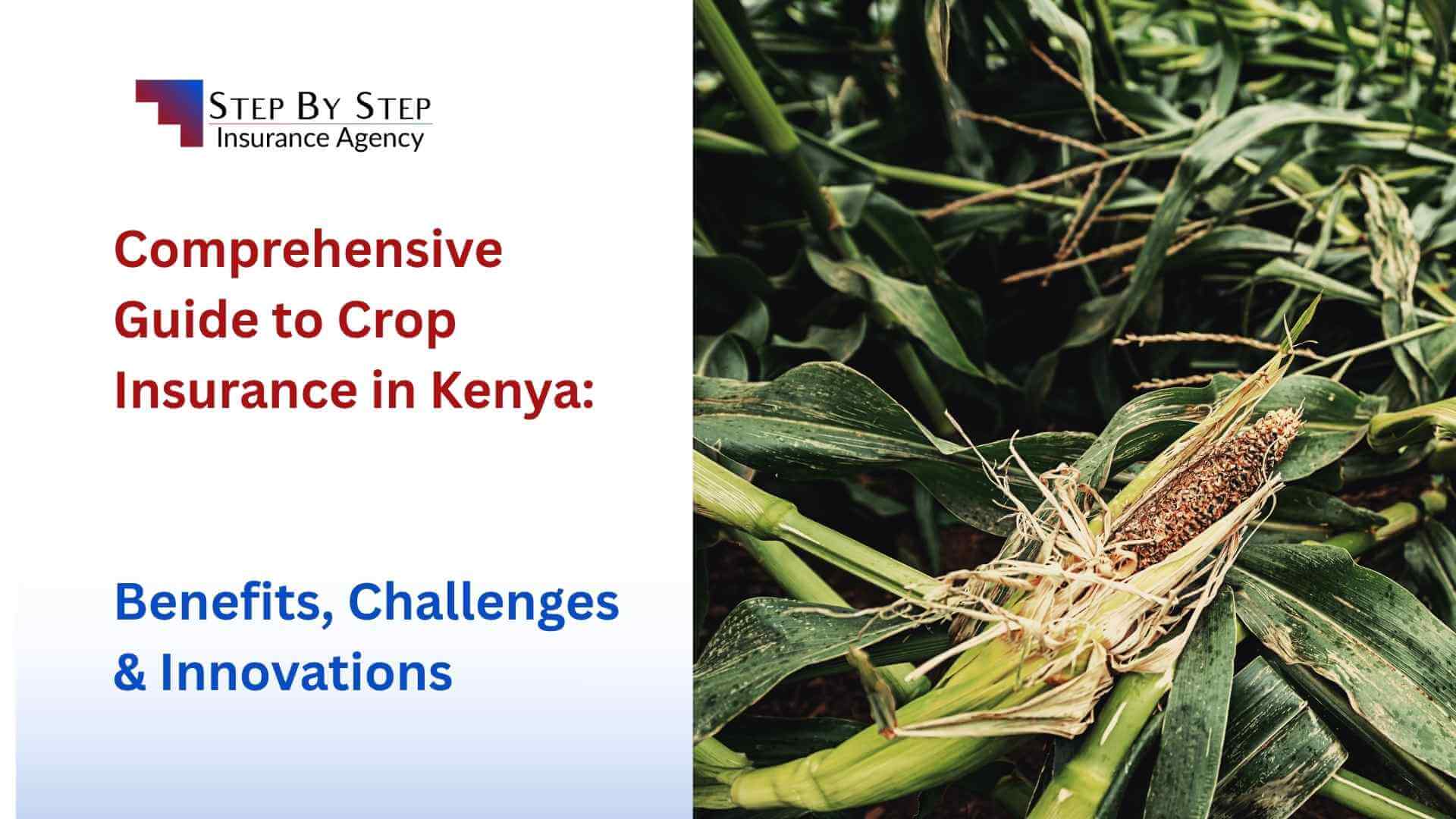
Crop insurance in Kenya offers essential financial protection to farmers—especially smallholders—against losses caused by drought, floods, hail, pests, diseases, and fire. Designed as a vital risk‑management tool, these insurance products help secure livelihoods, support credit access, and contribute to national food security. Yet uptake remains low, at under 1% of farmers, highlighting room for growth and innovation.
🔑 Key Takeaways
Agriculture contributes 33% of Kenya’s GDP but farmers face significant climate risks
Less than 1% of Kenyan farmers currently have crop insurance coverage
Index-based insurance enables faster payouts with minimal paperwork
Bundled insurance with inputs increases adoption rates significantly
Public-private partnerships are expanding access to affordable coverage
Agriculture accounts for roughly 33% of Kenya’s GDP and employs over 40% of the workforce. Smallholders are particularly vulnerable to climate shocks and pests. Between 2019 and 2022, increasing drought severity put millions at risk of food insecurity, with 5.4 million Kenyans facing acute shortages in 2022 alone United Nations | UNSGSA Queen Máxima | IFAD.
Despite the scale of risk, less than 1% of Kenyan farmers currently benefit from insurance payouts, according to the 2021 FinAccess Household Survey United Nations | UNSGSA Queen Máxima.
🧾 Types of Crop Insurance Products
1. Index-Based Insurance (IBI)
IBI triggers payouts when a measurable indicator—like rainfall, temperature, or zonal yield—crosses a threshold. This enables fast, algorithmic disbursements with minimal field verification, though it carries basis risk, meaning the index may not reflect individual farmer losses accurately Wikipedia | arXiv.
2. Area‑Yield Index Insurance (AYII)
Pioneered by Pula Advisors, AYII marries rainfall and yield data across zones. Field enumerators conduct crop sampling to validate payout triggers, reducing basis risk compared to pure index models United Nations | UNSGSA Queen Máxima | IFAD.
3. Multi-Peril Crop Insurance (MPCI)
This classical model entails field assessments by loss adjusters and compensates crop losses from defined perils (drought, pests, fire, hail). It suits larger farms but has higher administrative costs and slower payouts.
📉 Uptake & Performance—A Closer Look
The KCEP‑CRAL programme, funded by IFAD and the EU and implemented in ASAL counties (Embu, Kitui, Makueni, etc.), bundled AYII embedded with input support. About 107,000 farmers enrolled over six seasons, with 52% receiving payouts, averaging KSh 2,855 per farmer—roughly $26 USD, which was about 1.5× their premium paid Business Daily Africa | IFAD.
In 2021, payouts to 13,523 farmers in coastal Kenya totaled KSh 85.1 million, through a partnership between Pula, APA Insurance, and the Kenyan government United Nations | Business Daily Africa.
Farmers overwhelmingly recognized value: 81% would recommend bundled insurance with inputs to peers; 83–93% requested mandatory inclusion of insurance with input distribution—even in areas with low payouts.
Index-based insurance solutions for informal businesses
🏛️ Leading Providers & Public-Private Collaboration
Pula Advisors
Founded in 2015 by Rose Goslinga and Thomas Njeru, Pula has disbursed coverage to over 4.3 million smallholder farmers across 22 African countries, including over two million in Kenya. Their digital pricing platform, Pula Insurance Engine (PIE), facilitates low-cost, transparent underwriting and payout processes Wikipedia | Business Daily Africa | United Nations.
APA Insurance
APA often serves as lead insurer across embedded models developed by Pula. In 2021, Pula delivered payouts together with APA to thousands of farmers in drought-affected counties Business Daily Africa.
CIC Insurance Group
A major micro‑insurance and cooperative insurer, CIC offers MPCI products for crops and livestock, tailored to smallholder and commercial farmers alike Wikipedia.
Other Players
Traditional insurers like Old Mutual / UAP, Britam, and Jubilee offer MPCI or hybrid solutions, often in collaboration with banks and cooperatives.
Government & IFAD
The Ministry of Agriculture and Livestock Development (MoALD) and IFAD’s INSURED program coordinate input‑bundled AYII insurance, public-private partnerships, and agricultural extension support in ASAL counties Reddit | IFAD.
🤝 How Step by Step Insurance Agency Partners to Deliver Value
Step By Step Insurance Agency serves as a specialized intermediary connecting farmers with top insurers like CIC, APA, Britam, and Old Mutual. Their model delivers affordability, personalized support, and fast claims assistance:
Network of insurers: They work with insurers offering index, hybrid, and MPCI products tailored to crop type and farm scale.
Affordable packages: Microinsurance and crop cover starting from KES 3,000 per season, suitable for smallholder budgets.
Claims support: They assist in loss notification, documentation, and liaison with IRA or insurers to expedite settlements.
Application support: Guidance in completing forms, providing land documentation, and planning premium payments. Premier payment channels include M‑Pesa and installments.
📝 Claims Process & Compensation Mechanics
MSP Flow:
Immediate notification—within 72 hours of loss via SMS, call, or agent.
Claim form submission, including incident details and proof.
Claim registration—insurer logs claim and assigns ID.
Loss assessment—automatic index trigger (IBI) or field adjuster visit (MPCI/AYII).
Adjudication—insurer confirms eligibility.
Payout or denial, with appeals via IRA for unresolved disputes.
Payout timelines:
Index-based policies: 2–4 weeks
Field‑assessed (MPCI/AYII): 4–8 weeks
Delays often stem from missing evidence or documentation disputes.
💵 Premium Structure & Subsidies
Premiums are influenced by crop type, region, number of perils, and coverage level:
Old Mutual / UAP’s MPCI: Premiums range from 4.5–15% of the sum insured; supports early payouts to facilitate replanting.
APA Insurance: Minimum premium of about KES 5,000, covers major perils like drought, pests, fire, and excess rain.
Pula’s embedded AYII model: Premiums are bundled with input subsidies or loan credit; often free at point of use to the farmer, paid by suppliers/government.
Government or donor‑supported programmes (e.g. KCEP‑CRAL) frequently subsidize premiums—sometimes up to 50%, making policies more accessible to smallholders.
💡 Innovations Driving Adoption
📦 Embedded Insurance with Inputs
Bundling insurance with fertilizer or seed inputs ensures higher adoption. Farmers receiving inputs via e-vouchers or input credit automatically get insurance coverage—many reported they’d not buy inputs without insurance included.
🌐 Mobile & Digital Platforms
Solutions leveraging M‑Pesa, SMS, national IDs, and mobile apps streamline enrollment, notifications, and claims. Digital record‑keeping reduces paperwork and speeds processing.
🌍 Satellite & AI-Guided Risk Assessment
Tech-driven platforms like Pula’s PIE utilize remote sensing, satellite yield estimates, and machine learning to accurately calculate risk zones and monitor crop health, minimizing basis risk and administrative complexity.
🏛️ Public-Private Initiatives
Government programmes such as KCEP‑CRAL support embedded insurance models in target counties, often with donor backing and technical assistance.
🚧 Ongoing Challenges & Learning
Low insurance literacy: Farmers are wary of “buying promises” and require strong trust-building outreach and extension support.
Basis risk remains: High local variation means index thresholds don’t always reflect individual loss—field-assessed AYII helps, but limitations remain in large heterogeneous zones.
Awareness and education gaps: Over 250–400 communications targeting other government programmes can drown messaging about insurance features—blended digital and in-person training is necessary.
Affordability: Even with subsidies, smallholders find premiums prohibitive unless bundled with inputs.
Claims delays: Farmers lose trust if payouts are delayed or denied without clear communication or transparent fallback options.
👩🌾 Farmer Impact Stories
In Kwale County, a hesitant farmer named Fatuma Rashid purchased a Pula‑enabled AYII policy (~KSh 1,200). A subsequent drought triggered a payout of KSh 85 million across the region. The payout helped pay school fees and secure food for the season. Eventual trust in the policy led others to adopt it the following year IFAD.
In Kisumu region, farmers like Onesmus and Dorcas received payouts of approx. KSh 6,000–9,000. These funds were used for school fees and investing in farm expansion—from four to six acres—rather than resorting to loans or asset sales. Both farmers became local champions promoting insurance benefits in their communities United Nations | UNSGSA Queen Máxima.
🔭 Future Directions & Opportunities
Expand embedded insurance models—partner with more input suppliers and agri‑tech firms to bundle credit and insurance.
Deploy more weather stations and refine zone definitions—reduce basis risk and establish hyper-local indices.
Scale digital education channels—use M‑Pesa, extension agents, and SMS for farmer onboarding and proactive awareness.
Strengthen regulatory oversight—IRA’s role continues in consumer protection, dispute resolution, and enhancing underwriting standards.
Accelerate technology adoption—use satellite imagery, AI analytics, and mobile tools to improve accuracy and speed.
Promote women & youth inclusion—data from KCEP‑CRAL show women comprised 57% of clients receiving payouts, improving financial inclusion and resilience.
✅ Summary Table of Providers & Product Features
Provider
Product Type
Premium Structure
Claims & Payout
Target Farmer
Pula Advisors + APA
AYII (embedded index/yield)
Bundled via input voucher; minimal direct cost to farmers
Index trigger + field samples; payouts in 2–4 weeks
Smallholder farmers under public programs
CIC Insurance Group
MPCI (perils-based)
Microinsurance premiums; based on acreage & risk
Field-adjusted claims, 4–8 weeks
Smallholders and commercial farmers
Old Mutual / UAP
MPCI (multi-peril cover)
4.5–15% of insured sum
Field-based assessment; early payouts possible
Commercial and cooperative farmers
Step By Step Agency
Broker/Advisor across insurers
Premiums from KSh 3,000, flexible payment
Full application & claims assistance
Low‑income smallholders
🔎 Conclusion
Crop insurance in Kenya is a powerful tool for weathering climate shocks, protecting income, and enabling agricultural investment. Innovations such as embedded AYII programs, mobile-based enrollment, and partnerships between Pula, APA, CIC, Old Mutual, and service agencies like Step By Step are revolutionizing access.
Yet, challenges persist—insurance literacy, affordability, basis risk, and claims delays remain barriers. Continued collaboration among government agencies, insurers, fintech innovators, extension services, and local agents will be critical to scaling insurance access.
By protecting smallholder farmers, crop insurance not only supports individual resilience but also strengthens national food security and economic stability. Tools like Pula’s digital AYII products and Step By Step’s inclusive brokerage model exemplify scalable solutions for Kenya’s diverse agricultural landscape.
Ready to Protect Your Farm?
Get personalized advice and find the best crop insurance solution for your needs.
SHA’s Phased Disbursement: Kenya Healthcare Financing Update
The healthcare sector in Kenya has long faced significant challenges, from limited access and high out-of-pocket costs to systemic funding delays. Over the past few years, amid efforts to reform and expand health coverage, financial bottlenecks have worsened, deeply affecting service providers and patients alike.
Key Takeaways
SHA has initiated phased disbursements to nearly 9,000 healthcare facilities to address payment delays
Only 20% of facilities received full reimbursements earlier in 2025, leaving 80% at risk
The financial crisis has led to operational disruptions, staff resignations, and facility closures
Timely disbursements are crucial for maintaining service quality and achieving Universal Health Coverage
Sustained reforms are needed to ensure long-term stability of Kenya’s healthcare financing
I. Background: The Social Health Authority and Its Role in Financing Healthcare
The Social Health Authority (SHA) is charged with administering and managing key health financing mechanisms in Kenya, notably the Social Health Insurance Fund (SHIF) and the Primary Health Care Fund (PHCF). These funds are crucial because they provide the financial flows that keep thousands of healthcare facilities operational, particularly those offering essential primary healthcare services.
Both SHIF and PHCF aim to cover healthcare costs for Kenyans and move the country closer to achieving Universal Health Coverage (UHC), which is a cornerstone of the government’s “Taifa Care” initiative. However, the implementation of these schemes has not been seamless. Stakeholders have faced numerous hurdles, including transitioning from the defunct National Health Insurance Fund (NHIF), delayed reimbursements, and financial strain on healthcare providers.
II. The Phased Disbursement: What Has Happened?
A. The Two-Phase Payment Rollout
On July 14 and July 21, 2025, the Social Health Authority began disbursing verified claims from SHIF and PHCF to healthcare providers in two phases. This move was designed to begin addressing long-standing payment delays that have had devastating effects on health facilities across the country.
Nearly 9,000 facilities, stretching across public, private, and faith-based providers, are beneficiaries of these disbursements. The phased approach was planned to ensure accurate verification of claims, maximize transparency, and gradually ease the cash flow bottleneck crippling Kenya’s healthcare services.
B. The Drivers Behind the Disbursement
This announcement follows months of mounting pressure from providers who struggled with inconsistent and delayed payments. Reports indicated that only about 20% of facilities received full reimbursements earlier in 2025—a startling figure that left 80% at risk. Facilities reliant on these funds faced mounting debts, operational disruptions, and in some distressing cases, legal battles and closures.
This financial crisis has fueled a dialogue about the sustainability of health financing mechanisms in Kenya and highlighted the urgent need to streamline claims verification, funding allocations, and accountability.
III. The Ripple Effects of Payment Delays on Healthcare Providers
A. Operational and Financial Strain
Delayed payments from government funds to healthcare facilities create a cascade of operational challenges. Facilities struggle to pay staff salaries—prompting mass resignations, salary delays, and diminished morale. Many hospitals and clinics also grapple with procuring essential drugs and maintaining medical equipment.
According to a report by the Rural and Urban Private Hospitals Association of Kenya (RUPHA), over 91% of healthcare facilities linked to SHA were in financial distress, describing the situation as a “financial ICU.” Facilities, especially lower-tier hospitals (level 2 and 3), reported that they were unable to meet basic operational expenses. This scenario leads to reduced service quality, rationed care, or outright denial of critical health services for patients.
Answers to common questions about Social Health Authority
B. The Legal and Debt Burden
Financial strain has driven many providers into debt, sometimes resulting in lawsuits from creditors or contractors. The inability to clear debts further hampers facilities’ creditworthiness, restricting their capacity to restock supplies or invest in infrastructure improvements.
These circumstances have forced some providers to consider closing their operations, raising concerns about access, especially in rural and underserved areas, where alternatives are sparse.
C. Implications for Patients
The financial crunch also impacts patients directly. Increasingly, healthcare providers charge out-of-pocket fees, despite social insurance schemes intended to reduce these burdens. This effect risks reversing gains in healthcare accessibility and disproportionately affects poor and vulnerable populations.
Delays in disbursement affect service delivery timelines, further pushing chronic patients and those requiring surgeries or long-term care into precarious situations. Many facilities, particularly in the private and faith-based sectors, have scaled down operations, resulting in longer wait times and reduced availability of services.
IV. SHA and Government Responses to the Crisis
A. Recent Payment Efforts and Debt Settlement
Recognizing the urgency, the government and SHA have been moving to release funds to affected facilities. For context, since taking over from NHIF, SHA has made significant progress in settling historic debts, paying billions of shillings toward outstanding financial obligations left by the previous system.
The phased disbursement in July 2025 builds on earlier efforts where substantial payments (for example, KES 5.1 billion released on a single day) were made to private, faith-based, and government health providers. These payments are not merely about clearing dues—they represent a necessary injection to restore facility operations and confidence.
B. Streamlining Claims and Registration Systems
The SHA has been working on improving claims verification and submission processes, encouraging healthcare facilities to report claims on time and follow proper documentation procedures, which are essential for smooth reimbursements.
The authority has also emphasized upgrading digital systems to ensure faster, transparent, and accountable payment flows. This modernization is vital to avoid recurring backlogs and to ensure real-time tracking of fund disbursements.
C. Government Commitment to UHC
Despite the setbacks, the government remains committed to financing the UHC agenda. The scaling up of social health insurance, increasing budgetary allocations, and strengthening partnerships between the public and private sectors reflect this determination.
However, the experience also reveals that partnerships must be reinforced by rigorous financial management mechanisms to guarantee that funding reaches the front lines and healthcare access isn’t compromised.
V. The Bigger Picture: Universal Health Coverage and Sustainable Health Financing
The delayed reimbursements and financial distress facing Kenyan healthcare providers mirror challenges common in many emerging health insurance systems globally: balancing financial sustainability, expanding coverage, and ensuring quality service delivery.
A. Protecting Access and Quality of Care
Timely disbursal of SHIF and PHCF funds is crucial to keeping facilities running smoothly, avoiding service interruptions, and preventing patients from incurring unaffordable costs.
Universal Health Coverage means more than just policies on paper—it requires functional financing flows that empower healthcare institutions to provide safe, reliable, and affordable services.
B. Equity and Affordability
The PHCF specifically targets gaps in primary healthcare, which is the foundational level for promoting health and preventing disease. The fund’s proper functioning is essential to ensuring that even the most vulnerable, including rural populations and low-income Kenyans, can access services without catastrophic expenditure.
Any breakdown in disbursement threatens this goal, risking widening health disparities.
VI. Challenges Ahead and Opportunities for Reform
A. Improving Transparency and Accountability
To sustain improvements, the SHA and Ministry of Health need to keep enhancing transparency. This involves publicizing payment schedules, ensuring independent audits, and engaging stakeholders in governance.
Transparency will rebuild trust among healthcare workers, facility managers, and the public, essential for a stable health system.
B. Building Capacity and Infrastructure
Many of the systemic issues trace back to insufficient capacity in claims processing, verification, and infrastructure. Investing in digital health solutions, training, and strengthening facility administrative capabilities will reduce errors and delays.
Expanding technical support to level 2 and 3 hospitals—where distress has been most acute—can foster resilience.
C. Strengthening Stakeholder Collaboration
The health financing ecosystem involves multiple players: county governments, health facilities, the SHA, and the Ministry of Health. Collaborative frameworks will be central to aligning priorities, sharing data, resolving disputes, and coordinating funding disbursement.
D. Sustainability and Growth of Health Insurance Schemes
Finally, embedding SHIF and PHCF within a broader, sustainable and comprehensive national health insurance ecosystem is vital. This effort includes broadening the contributor base, enhancing collection systems, and improving benefit packages without compromising fiscal responsibility.
VII. Conclusion: A Turning Point for Kenya’s Health Sector
The SHA’s phased disbursement of funds under SHIF and PHCF is more than a financial transaction—it symbolizes hope and a renewed commitment to Kenya’s health providers and patients. The scars from delayed payments run deep, but these measures could finally reduce the crippling financial strain experienced by thousands of facilities.
Success, however, will depend on sustained efforts to improve the efficiency of health financing, maintain robust oversight, and prioritize the needs of frontline healthcare providers. Only then can Kenya confidently move toward the ideal of Universal Health Coverage and build a resilient health system that delivers high-quality, affordable care to every Kenyan.
The path has been rocky, but with persistent reform, collaboration, and innovation, Kenya’s healthcare system can emerge stronger and more equitable—putting the dream of accessible and quality healthcare within reach for all.
Contacting the Social Health Authority (SHA)
For inquiries related to SHA services, registration, or claims, you can reach the Social Health Authority through the following channels:
Phone
Toll-free: 0800 720 601
Email
customercare@sha.go.ke
info@sha.go.ke
Headquarters
Ground Floor, SHA Building, Ragati Road, Nairobi City
Additional Resources
Official SHA Website
Visit the official Social Health Authority website for the latest updates, forms, and official announcements.
WE ARE NOT AFFILIATED WITH SHIF/SHA. WE ARE A PRIVATE INSURANCE COMPANY DEALING WITH VARIOUS INSURANCE PRODUCTS INCLUDING AFFORDABLE MEDICAL INSURANCE THAT CAN BE BUNDLED WITH SHA TO GIVE YOU THE BEST COVERAGE.
For official SHA inquiries, please contact The Social Health Authority directly at 0800 720 601, customercare@sha.go.ke, or info@sha.go.ke.
The insurance sector in Kenya has faced its share of challenges and milestones, but rarely has the nation witnessed as significant a regulatory shake-up as the recent deregistration of 20 insurance brokerage firms. This action, initiated and executed by the Insurance Regulatory Authority (IRA), marks a paradigm shift in industry oversight, compliance expectations, and consumer protection.
Key Takeaways
Unprecedented action: 20 insurance brokers deregistered simultaneously in June 2025
Major violations: Non-compliance, inactivity, premium non-remittance, and inadequate capital
Consumer impact: Policyholders must verify broker status and ensure policy continuity
Industry implications: Signals stronger regulatory enforcement and market consolidation
Future outlook: Potential for increased trust, higher standards, and market modernization
I. Introduction: A Watershed Moment in Kenyan Insurance
Every industry has defining moments—events that force collective introspection and, ideally, long-term evolution. For Kenya’s insurance sector, the mass deregistration of 20 brokers in June 2025 is such a milestone. The insurance landscape, already in flux with new technologies and shifting economic realities, has now been thrust into an era of heightened scrutiny.
But this story isn’t just about enforcement. It’s about rebuilding trust, protecting hard-earned money, and aligning business practices with global standards. For many years, insurance in Kenya has struggled with public skepticism, low penetration rates, and periodic tales of non-compliance. The IRA’s decisive action might just be the beginning of a new chapter.
II. Regulatory Action: What Happened, and Why?
A. The Announcement and the Timeline
On the heels of a sweeping audit, the IRA announced that, effective June 30, 2025, licenses for 20 insurance brokerage firms were cancelled. These companies were, from that date, legally barred from transacting in any insurance business.
What set this action apart was its scope and clarity. The IRA didn’t just issue warnings or set extended grace periods—it drew a hard line. Public notices were sent out, and the sector’s players, from large corporates to SME clients, sat up and took notice.
Why Now?
While the IRA has de-registered brokers in the past, the concentration of this action—taking in 20 firms at once—was unprecedented. It reflects a broader regulatory philosophy: compliance is not optional, and those endangering consumer interests or failing in their fiduciary duties will be removed, no matter their size or tenure.
B. Rationale Behind the Deregistration
The reasons for deregistration were neither trivial nor sporadic. According to the IRA’s audit, several persistent and systemic issues surfaced:
Non-Compliance with Regulations: Brokerages are subject to stringent regulatory requirements, mandating everything from timely submission of operational data to ethical marketing practices. The affected brokers failed to meet these standards, often repeatedly and despite warnings.
Inactivity and Dormancy: Some firms had ceased active business operations, becoming “shell” companies with little to no visible activity or meaningful client engagement. Inactive brokers can serve as avenues for fraud, money laundering, or unregulated arbitrage.
Non-Remittance of Premiums: One of the gravest breaches was the failure to remit premiums collected from clients to the respective insurance companies. This not only contravenes the trust of policyholders but can lead to lapsing of policies, leaving clients exposed at their time of need.
Inadequate Capital: Every licensed brokerage must maintain a minimum capital base—a buffer against operational and market risks. Several of the deregistered entities fell below this threshold, putting them (and their clients) at unacceptable financial risk.
Failure to Renew Licenses: A surprisingly mundane but critical failure: not all companies renewed their operational licenses as required. This is a non-negotiable aspect of ongoing compliance and reflects poor governance.
The reasons are varied, but together they paint a picture of systemic issues—failures that undermine public trust and put policyholders in jeopardy.
C. The Impact on Brokers
The immediate effect of deregistration is unequivocal: the affected firms are no longer authorized to conduct any insurance business, effective immediately. For some, this represents the end of an era; for others, an abrupt halt with considerable financial and reputational cost.
But the ripple effects go further. Employees of these brokerages must seek employment elsewhere. Clients scramble to secure cover through alternative providers. The market, already competitive, now absorbs the sudden exit of multiple players—which can translate to consolidation, mergers, and in the long run, perhaps a leaner but more resilient ecosystem.
III. List of Deregistered Brokers: Who Was Affected?
While the IRA’s formal publication lists all 20 deregistered firms, a selection illustrates the broad cross-section affected:
Brokerage Firm
Years in Operation
Primary Violation
African Continent Insurance Brokers Ltd
18
Capital inadequacy
Andalus Insurance Brokers Ltd
12
Non-remittance of premiums
Allied Insurance Brokers Ltd
25
License non-renewal
Alpha-Levits Insurance Brokers Ltd
8
Inactivity
Arkchoice Insurance Brokers Ltd
15
Regulatory non-compliance
Berkley Insurance Brokers Ltd
22
Multiple violations
Bilan Insurance Brokers Ltd
7
Capital inadequacy
Blossom Insurance Brokers Ltd
5
Inactivity
Fides Insurance Brokers Ltd
14
Non-remittance of premiums
Harbinger Insurance Brokers Ltd
10
License non-renewal
This roster includes firms of varied scale and focus—some with decades of history, others relatively new on the scene. The message from the regulator: no one is immune from compliance obligations. The full list is available from the IRA for anyone needing to check their provider’s status.
New requirements for insurers to disclose cybersecurity breaches
IV. Implications: What the Deregistration Means
A. For Policyholders and the Public
Arguably, the most consequential impacts are felt by clients. So, what are the specific implications?
1. Avoiding Deregistered Brokers
First and foremost, the IRA has strongly advised Kenyans to avoid any insurance dealings with the deregistered firms. Policies arranged through such companies could be invalid, unserviced, or—worse—unpaid at the time of a claim.
For most consumers, this news has underlined the importance of diligence. It’s no longer enough to take a broker’s word at face value; clients must verify the regulatory status of their insurance intermediaries on the IRA website or through official bulletins.
2. Policy Continuity and Transition
What happens if you were already a client of a deregistered broker? In such instances, the IRA recommends immediately contacting the principal insurance company underwriting your policy. The company will usually guide clients through the process of transitioning to a new, licensed intermediary—or, in some cases, dealing directly.
It’s important to note that deregistration of a broker doesn’t nullify an insurance policy itself (as long as the premium was properly remitted to and accepted by the insurer). However, any ongoing servicing or renewal needs to be managed through channels recognized by the authority.
3. Guarding Against Financial Loss
For Kenyans who may have paid premiums recently to one of the affected brokers, time is of the essence. To minimize the risk of non-remittance, clients should obtain written confirmation that their premiums have indeed reached the insurer. If in doubt, seek clarification through both the IRA and your insurance company.
4. Restoring Public Trust
One unfortunate reality is that every such industry “shake-up” can dent public confidence. The onus is now on the remaining brokers and insurers to reassure their clients, provide transparency, and demonstrate robust, ethical practices.
B. For the Insurance Sector
The deregistration wave is more than just a punitive sweeping of bad actors—it’s a signal to the industry at large.
1. Regulatory Oversight Has Teeth
Kenyan regulators are sometimes accused of “barking but not biting.” This recent move shows that the watchdogs are ready to bite when needed. There is now enhanced monitoring, periodic auditing, and a zero-tolerance policy for repeat or egregious offenders.
2. Raising the Bar for Compliance
Staying compliant goes beyond paperwork. It encompasses timely premium remittance, ethical advisement, strong capital reserves, and regular license renewals. No longer are shortcuts or “business as usual” lapses tolerated. Firms (both existing and new entrants) must tighten internal controls and adopt best international practices.
3. Market Consolidation and Quality Over Quantity
With 20 firms deregistered, the sector is likely to see consolidation. Fewer, but stronger and more compliant, brokers could elevate overall sector reputation. This, in turn, could spur increased insurance penetration—still stuck at 2.4–3.0%—by winning back the trust of an often skeptical public.
4. Spur to Modernization
Digital innovations—such as Kenya’s rollout of a digital marine cargo insurance system—are only as effective as the integrity of the brokers implementing them. Regulatory clean-ups like this one can clear the way for genuine modernization and transparency in service delivery.
5. International Interest and Investment
Kenya’s insurance industry is increasingly attracting international interest, with global names like Lloyd’s of London considering regional bases in Nairobi. Strong regulatory action reassures multinationals and investors of the market’s maturity, potentially opening more partnerships, capital inflows, and capacity expansions.
V. Conclusion: A Turning Point for the Future
When the IRA moved to deregister 20 insurance brokers, it wasn’t just a matter of regulatory housekeeping. It was a powerful statement: that compliance cannot be optional, public protection is paramount, and the insurance industry in Kenya is ready for the next phase of its evolution.
For clients, the takeaway is clear—always verify your broker, demand transparency, and stay informed about regulatory developments. For the industry, the future lies in doubling down on compliance, embracing digital transformation, and nurturing public confidence one transaction at a time.
Will the sector see more such crackdowns? Perhaps. But if today’s deregistration leads to a more transparent and trusted industry, then it’s a future that all stakeholders—clients, brokers, insurers, and the wider Kenyan economy—should embrace.
As regulatory reforms build momentum and the market adjusts, this moment in 2025 will likely be looked back on as a turning point—a time when standards rose, accountability became real, and Kenya’s insurance industry gained a stronger, more trustworthy foundation for the future.